


Getting Your Wafer Heating Right
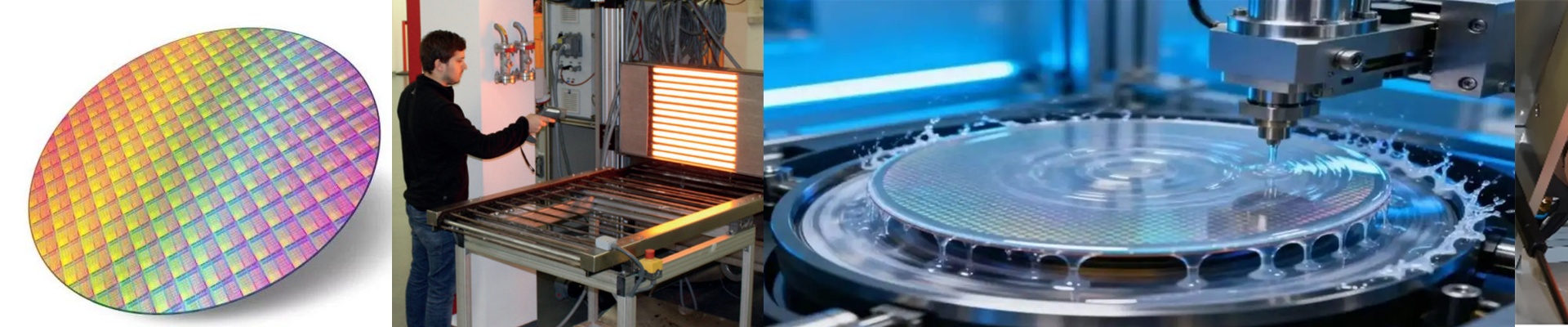
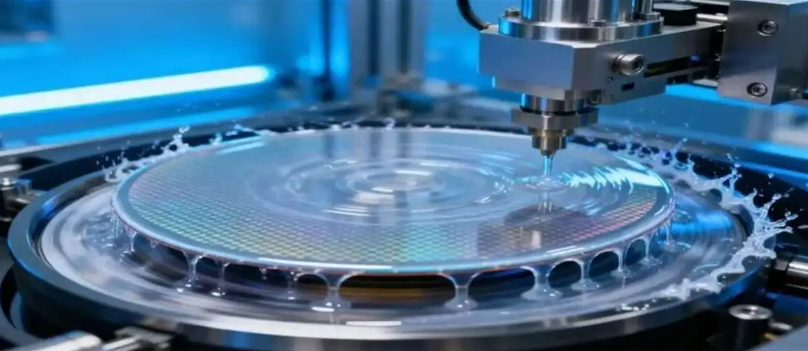
When you’re dealing with wafer processing, “close enough” doesn’t cut it. You need the temperature to be dead-on across the entire surface. To make that happen, we use gold-coated reflectors. Now, it’s not about making the hardware look fancy. It’s about making sure every single watt of power actually hits the wafer. Why gold? Here’s the thing: standard aluminum reflectors are okay, but they soak up way too much IR energy. It’s like trying to bounce a ball off a sponge. Gold is different. It’s incredible at reflecting infrared light. Instead of the heat soaking into the lamp housing and wasting power, the gold bounces it right back toward the target. You get a much tighter focus, which means you don’t have to crank the power as high to hit your target temp. The heat density problem But there’s a catch. When you cram that much wattage into such a small space, things get hot. Fast. Gold helps move the energy where it belongs, but it doesn’t just make the heat vanish. If you’re pushing for maximum flux, you’ve got to make sure your cooling manifolds can actually handle the load. If they’re undersized, your sensor housing will overheat and your temperature setpoints will start drifting. And that’s a headache nobody wants. The trade-off Gold is the gold standard for a reason, but it’s soft. Really soft. If your maintenance team goes in there with harsh solvents or abrasive scrubbers, they’ll strip that coating right off. Once the gold is gone, your efficiency tanks. It’s much better to stick to a non-contact cleaning routine. Keep it gentle, and the surface stays intact. At the end of the day, this setup stops you from wasting electricity heating the air around the wafer. You’re putting the energy exactly where it needs to be. It makes ramp-up times shorter and keeps those thermal gradients stable. It just works.