

Getting the Most Heat Into Your Wafers
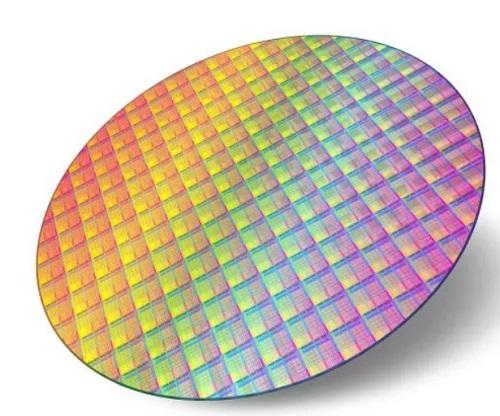
When you’re heating silicon wafers, every single watt matters. Most standard reflectors are just leaky—they absorb too much IR radiation or bounce it off in random directions. You’re basically paying for energy that never even touches the wafer. That’s why we stick with gold-coated reflectors and carbon fiber IR lamps. It stops the bleed. Why gold? It’s not about looking fancy. Gold just reflects infrared light incredibly well—we’re talking over 98%. Now, you could go with aluminum to save a few bucks, but aluminum oxidizes. It dulls. It loses its punch over time. Gold doesn’t do that; it stays stable. When you pair a gold-coated parabolic or elliptical reflector with a carbon fiber element, you get a tight, focused beam of energy. Instead of heating up your entire vacuum chamber, the heat goes exactly where it belongs: right onto the wafer surface. The gear and the power Carbon fiber lamps are beasts. They handle way more power density than your old tungsten lamps, which means you can ramp up temperatures fast. If you’re doing precise doping or annealing, you need that sharp thermal profile. It makes a world of difference. But here’s the thing: keep an eye on your power supply. These lamps pull a massive amount of current. If your wiring isn’t beefy enough to handle the peak load, you’ll get voltage drops. Suddenly, your heating isn’t uniform anymore, and you’ve got a problem. We usually suggest oversized leads just to be safe and to stop heat from soaking into the connection points. Real-world headaches Gold is great, but it’s soft. If your maintenance team goes in there with abrasive scrubbing pads, they’ll strip that gold layer right off. Once that happens, your efficiency tanks and you’ll notice the wafer surface temperature drop almost immediately. And one last tip: these lamps put out an intense amount of heat. Because the density is so high, you can get some nasty localized hotspots. Make sure your cooling system is actually built to handle the energy that doesn’t hit the wafer. If it isn’t, you’re risking warping your lamp housing, and that’s a mess nobody wants to deal with.