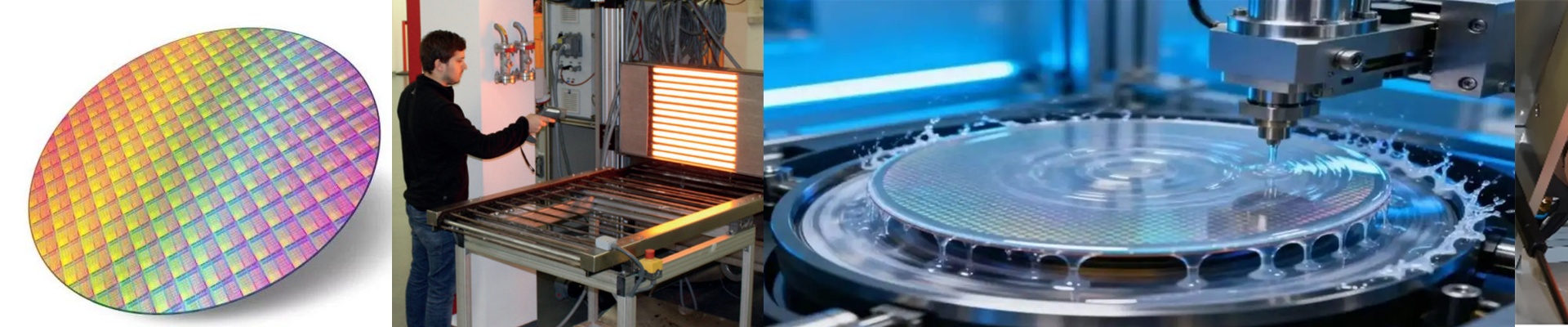
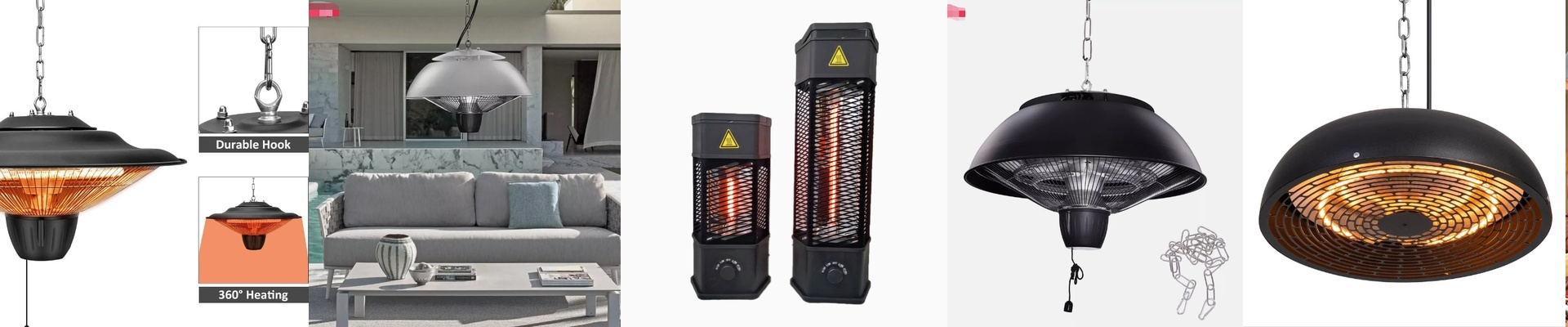
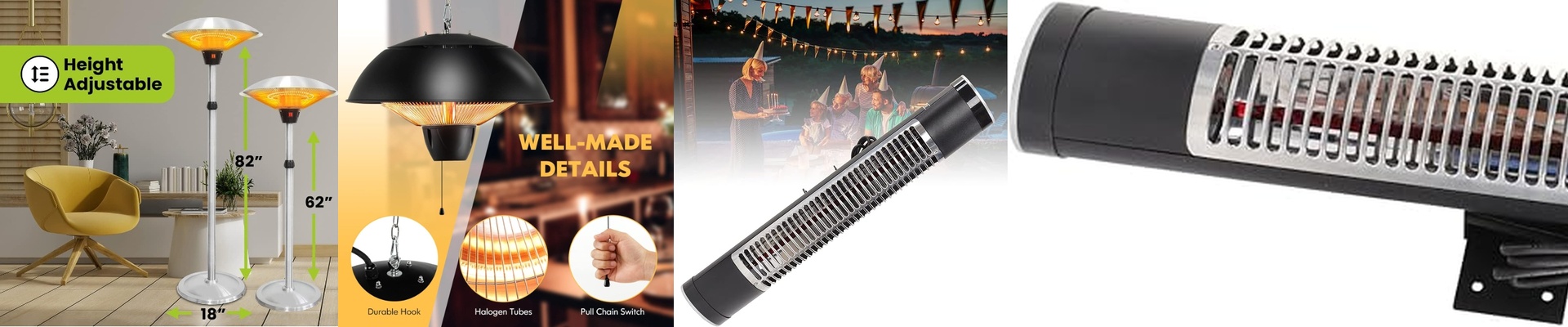


Out on the fab floor, a few degrees of temperature drift during the photoresist bake isn’t a “minor deviation.” It punches straight at Critical Dimension uniformity and starts pushing wafers into scrap. When an Axcelis thermal module starts missing its mark, the line stalls—wafers sit and wait, and the thermal budget gets eaten up in ways you can’t plan for.
What matters, technically
Axcelis heater element spares are built to match the thermal profile photoresist processing actually demands—soft bake and hard bake steps that need rock-stable setpoints and tight uniformity. The elements deliver consistent radiant output with wafer-level temperature control to ±0.1°C, which is what buys you repeatable resist flow and predictable edge bead behavior. The construction is cleanroom-compatible for Class 1–100 environments. Materials and terminations are chosen to keep particle generation and outgassing down. You get stable resistance over thousands of thermal cycles, predictable ramp behavior, and compatibility with Axcelis chamber architecture.
Why it holds up in lithography
Lithography is where yield gets made or broken. With these spares, you keep thermal repeatability across lots, cut down CD excursions that trace back to bake drift, and keep the photoresist profile from wandering day to day. The payoff shows up as fewer reworks, less scrap, and a cycle time you can plan around. Thermal stability also cuts energy waste from overshoot and re-heat, and the long service life means fewer spares consumed and fewer maintenance windows.
What to watch for
Installation is straightforward, but thermal contact and alignment are touchy. Verify chamber calibration after replacement and confirm connector integrity—mismatched terminations or contaminated contacts can drive resistance drift. Make sure the spare matches the exact chamber revision; thermal behavior shifts with reflector geometry and sensor position. And schedule preventive replacement around the process maintenance calendar so you don’t get blindsided by unplanned downtime.
Lo que importa técnicamente
Las piezas de repuesto de los elementos calefactores Axcelis están diseñadas para ajustarse al perfil térmico que realmente exige el procesamiento de la capa fotosensible—los pasos de soft bake y hard bake requieren puntos de consigna estables y una uniformidad estricta. Los elementos proporcionan una salida radiante constante con control de temperatura a nivel de oblea con una precisión de ±0.1°C, lo que garantiza un flujo repetible del resist y un comportamiento predecible del borde de la capa.
La construcción es compatible con salas limpias Clase 1 a 100. Los materiales y terminaciones se seleccionan para minimizar la generación de partículas y la emisión de gases. Se obtiene una resistencia estable a lo largo de miles de ciclos térmicos, un comportamiento de rampa predecible y compatibilidad con la arquitectura de las cámaras Axcelis.
Por qué se mantiene en litografía
La litografía es donde se determina el rendimiento. Con estas piezas de repuesto, se mantiene la repetibilidad térmica entre lotes, se reducen las desviaciones en la dimensión crítica (CD) atribuibles a deriva térmica, y se evita que el perfil del resist cambie día a día.
El resultado se traduce en menos retrabajos, menor material descartado y un tiempo de ciclo predecible. La estabilidad térmica también reduce el desperdicio energético provocado por sobrecalentamientos y recalentamientos, y la larga vida útil implica menor consumo de repuestos y menos ventanas de mantenimiento.
Qué tener en cuenta
La instalación es directa, pero el contacto térmico y la alineación requieren atención precisa. Verifique la calibración de la cámara después del reemplazo y confirme la integridad del conector; terminaciones incompatibles o contactos contaminados pueden provocar deriva en la resistencia.
Asegúrese de que la pieza de repuesto corresponda exactamente a la revisión de la cámara; el comportamiento térmico varía según la geometría del reflector y la posición del sensor. Programe el reemplazo preventivo conforme al calendario de mantenimiento del proceso para evitar interrupciones inesperadas.