
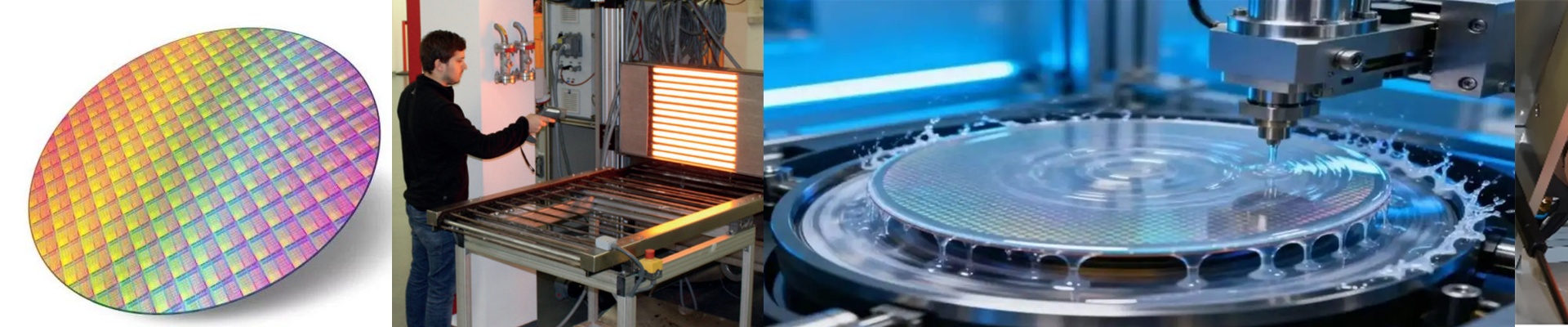


Out on the fab floor, a few degrees of temperature drift during the photoresist bake isn’t a “minor deviation.” It punches straight at Critical Dimension uniformity and starts pushing wafers into scrap. When an Axcelis thermal module starts missing its mark, the line stalls—wafers sit and wait, and the thermal budget gets eaten up in ways you can’t plan for.
What matters, technically
Axcelis heater element spares are built to match the thermal profile photoresist processing actually demands—soft bake and hard bake steps that need rock-stable setpoints and tight uniformity. The elements deliver consistent radiant output with wafer-level temperature control to ±0.1°C, which is what buys you repeatable resist flow and predictable edge bead behavior. The construction is cleanroom-compatible for Class 1–100 environments. Materials and terminations are chosen to keep particle generation and outgassing down. You get stable resistance over thousands of thermal cycles, predictable ramp behavior, and compatibility with Axcelis chamber architecture.
Why it holds up in lithography
Lithography is where yield gets made or broken. With these spares, you keep thermal repeatability across lots, cut down CD excursions that trace back to bake drift, and keep the photoresist profile from wandering day to day. The payoff shows up as fewer reworks, less scrap, and a cycle time you can plan around. Thermal stability also cuts energy waste from overshoot and re-heat, and the long service life means fewer spares consumed and fewer maintenance windows.
What to watch for
Installation is straightforward, but thermal contact and alignment are touchy. Verify chamber calibration after replacement and confirm connector integrity—mismatched terminations or contaminated contacts can drive resistance drift. Make sure the spare matches the exact chamber revision; thermal behavior shifts with reflector geometry and sensor position. And schedule preventive replacement around the process maintenance calendar so you don’t get blindsided by unplanned downtime.