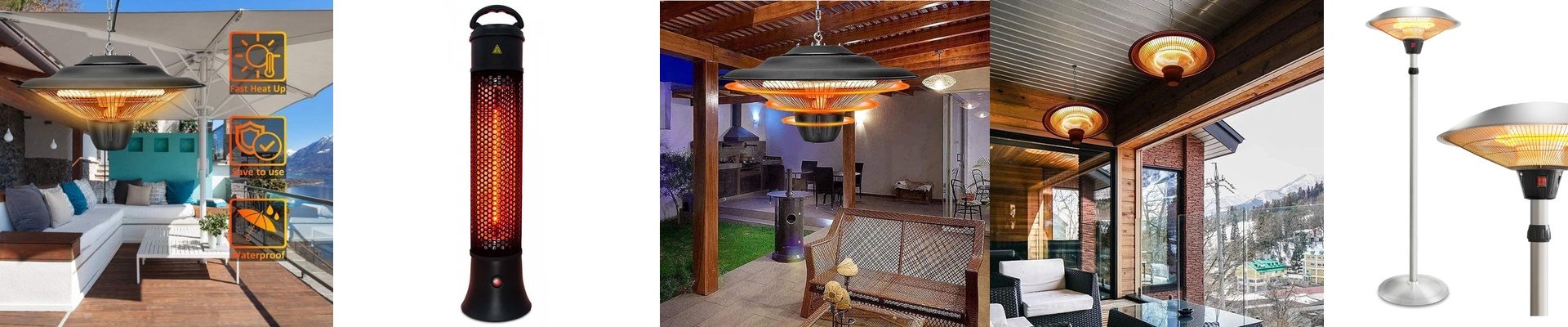
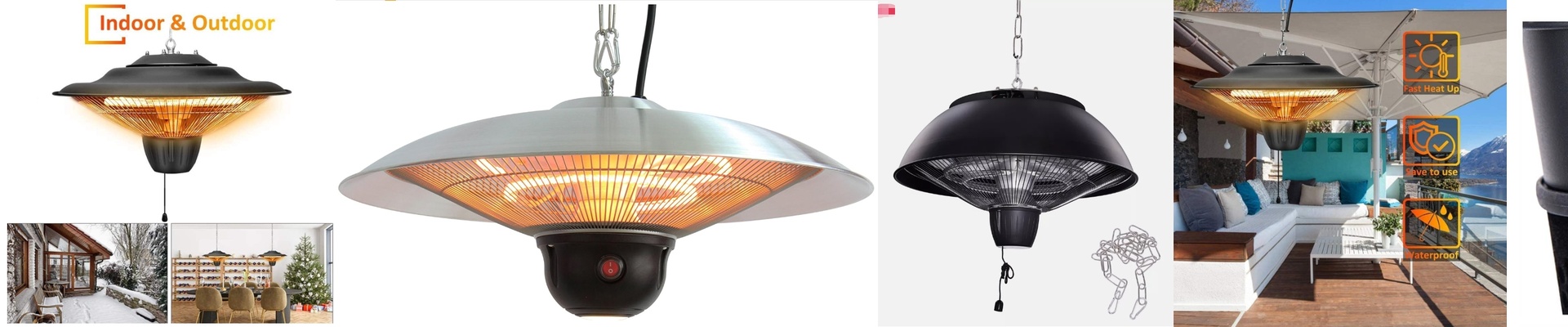
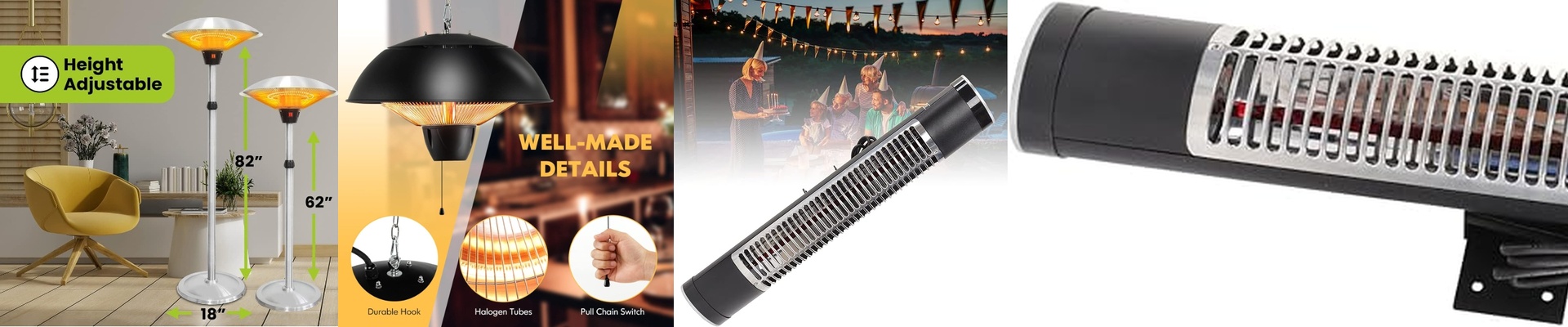
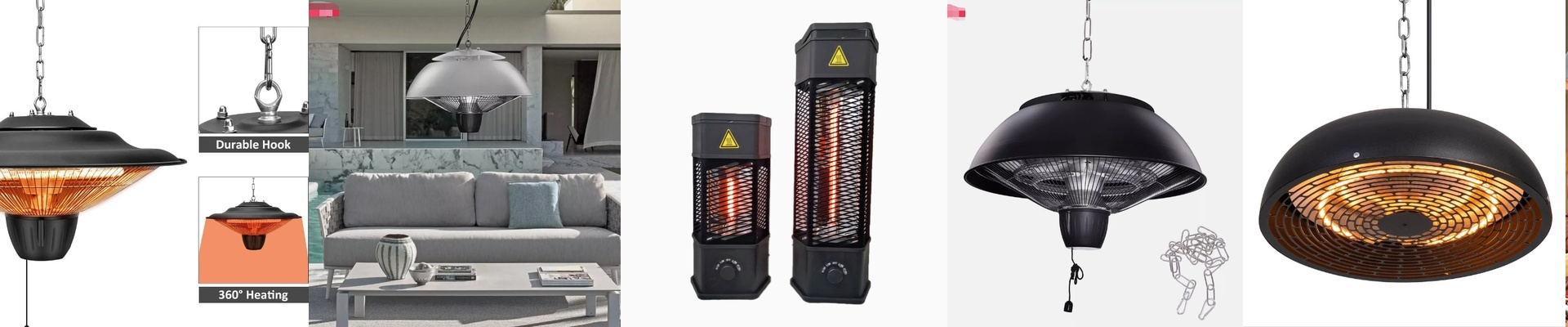

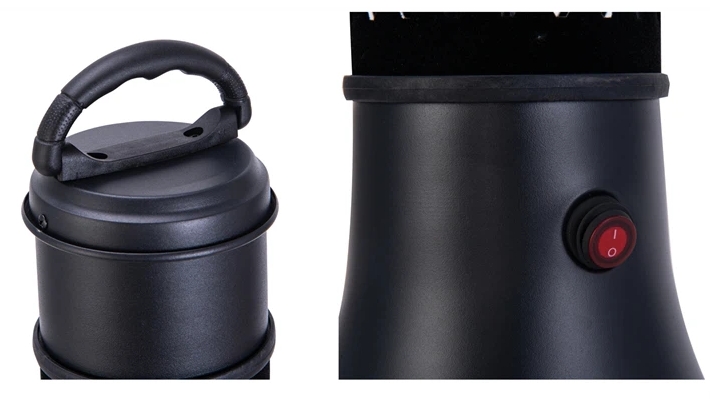
On a busy patio, one weak connection can turn a cozy evening into a service call. When you buy patio heaters in bulk, you’re not just buying heat — you’re buying confidence that every unit will keep running, rain or shine. With infrared electric heaters, that confidence starts where you can’t see it: at the lead entry point.
What matters, technically
Infrared patio heaters deliver comfort through radiant warmth, typically using a quartz tube or a carbon fiber element to produce instant, directional heat. That output is effective, but it also puts real stress on internal wiring. A run-of-the-mill entry point can let moisture in and heat out, accelerating insulation aging until a short becomes a lot more likely. So we build the lead seal like it’s meant to live under heat, not just sit next to it. A reinforced, high-temperature rated sealing structure keeps the conductor stable and blocks air gaps. The payoff is fewer hot spots, less stiffening and cracking, and electrical integrity that holds up over long duty cycles.
Why this matters in the field
Outdoor heating is relentless. The elements swing from damp cold to full sun, and the heater cycles on and off while guests come and go. When the lead seal is engineered properly, the heater stays dry inside, even when condensation is forming outside. That matters because dry, stable wiring is the difference between years of low-maintenance warmth and repeated failures that can wreck your season. For bulk buyers — venues, communities, and hospitality operators — that translates into fewer replacements, fewer complaints, and more predictable operating costs. You also get the comfort people actually recognize: infrared warmth targets people and furniture first, so the air stays still and the atmosphere stays welcoming.
The details that make the difference
Even the best seal needs the right installation. Use the correct gauge cord for the heater’s current draw, keep the cord off sharp edges and away from hot surfaces, and protect the plug and socket from rain with an outdoor-rated enclosure. Also, infrared warmth works best when the heater is positioned to hit seating areas directly — plan for line-of-sight coverage, not just maximum wattage. If you’re ordering in volume, ask for the rated lead temperature range and the protection rating of the sealing interface. Those specs tell you whether the heater is truly built for continuous outdoor use, not just occasional weekends.