Why We Use Ceramic End Caps for Lead-Free IR Curing
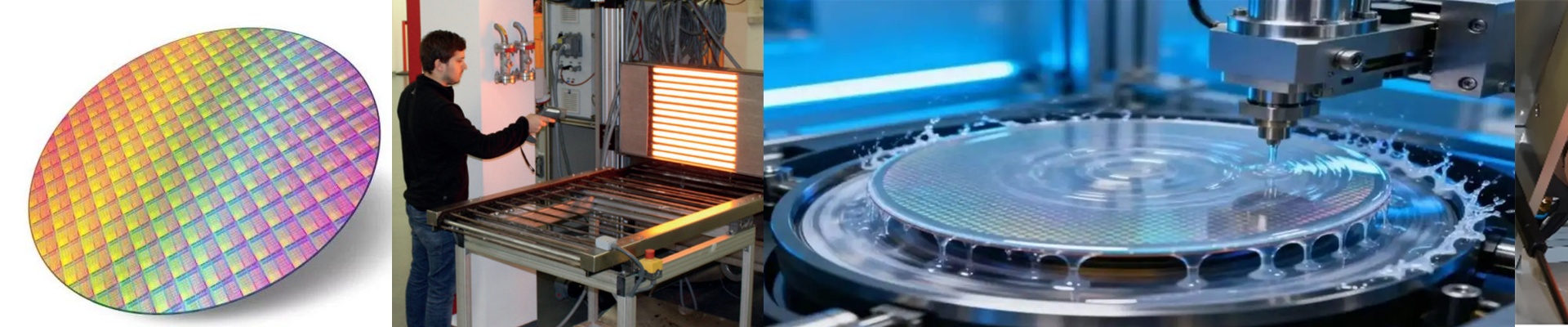
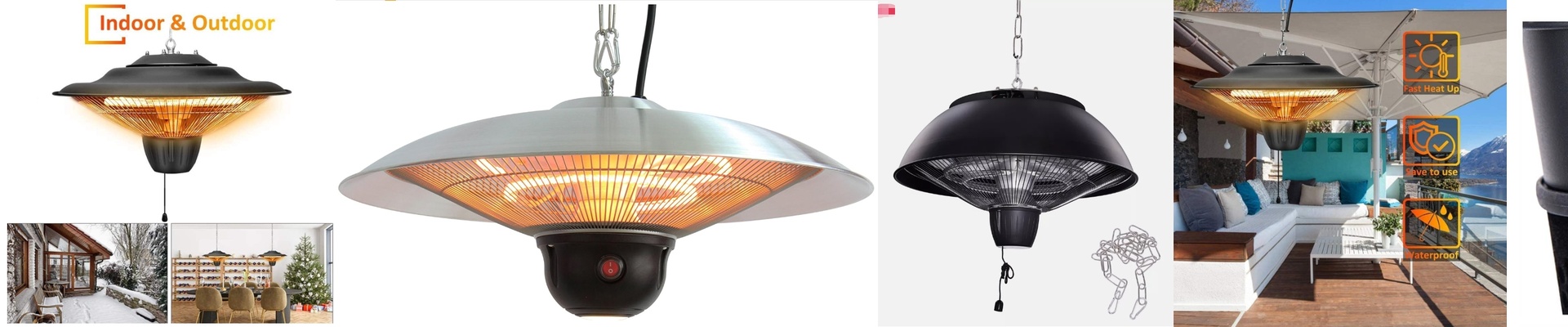
The semiconductor world is pushing hard toward “green” and lead-free standards. It’s a good move. Most of us have switched to Infrared (IR) curing for drying and bonding because it gets rid of those nasty VOCs and heavy metals you find in old-school chemical drying. But here’s the thing: to make that process actually stable, you need the right hardware. That’s where our ceramic end caps come in.
The “Secret Sauce” of the End Cap
An IR emitter puts out an incredible amount of localized heat. If you try to house that in standard metal or plastic, the heat just wanders. It creeps right toward the electrical terminals and—boom—your wiring burns out. We use high-purity alumina ceramics for the end caps because they act as a thermal break. Think of it as a wall that tells the heat, “You stop here.” It keeps the heat from traveling back into your power supply. This is a big deal. It means we can crank up the watt density without worrying about melting the connectors. The energy stays exactly where it belongs—in the quartz tube—instead of leaking into the machine frame.
Dealing with Lead-Free Workflows
If you’ve worked with lead-free solders and adhesives, you know they’re stubborn. They need higher curing temperatures than the old leaded stuff. To hit those numbers quickly, you need short-wave IR that hits the substrate directly. That’s a lot of stress on the equipment. The ceramic cap is what allows the emitter to handle those higher temps over long cycles without breaking a sweat. It keeps the electrical connection tight. If a cap cracks or fails, you’ll get arcing, and that’ll kill your tube in a heartbeat.
A Couple of Real-World Warnings
Now, ceramic is amazing for heat, but it’s brittle. It’s not indestructible. If your techs are a bit rough when swapping them out, these caps can chip. I always tell people: use a slow, steady hand when you’re wiring them up. Treat them with a little respect. And one more thing. Because these emitters pump out so much energy, you’ve got to make sure your exhaust system can actually keep up. If you aren’t pulling that displaced air away fast enough, you’ll end up overheating your surrounding sensors. Just keep an eye on your airflow, and you’re golden.