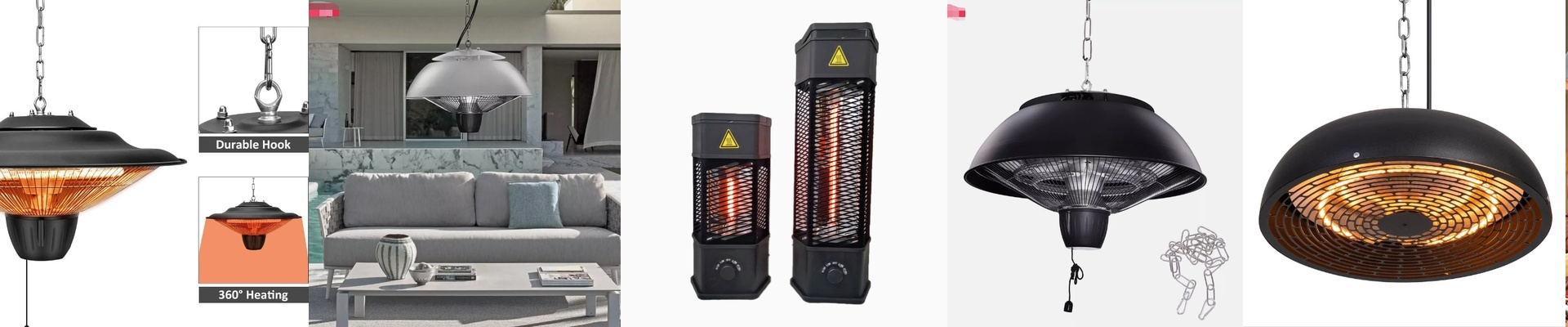
Electric Blow Heaters: Heat That Keeps Things Clean
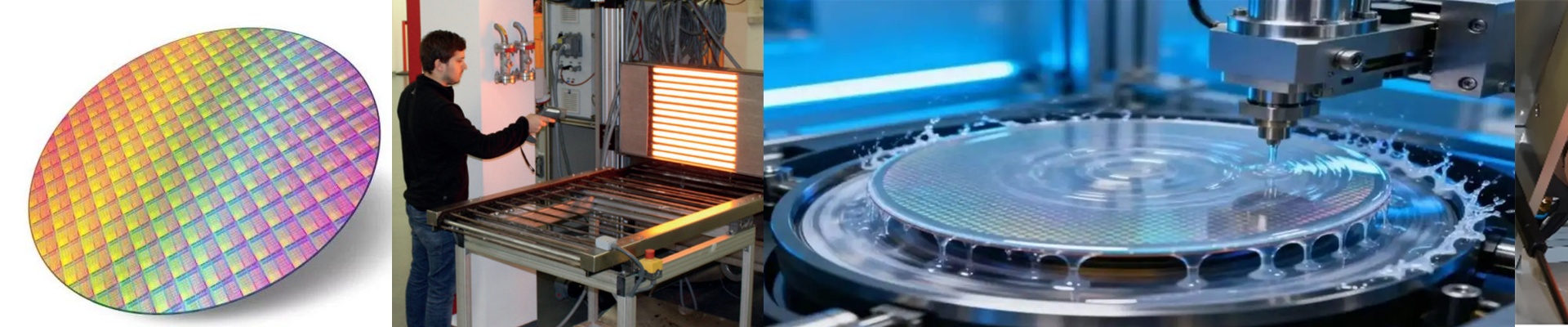
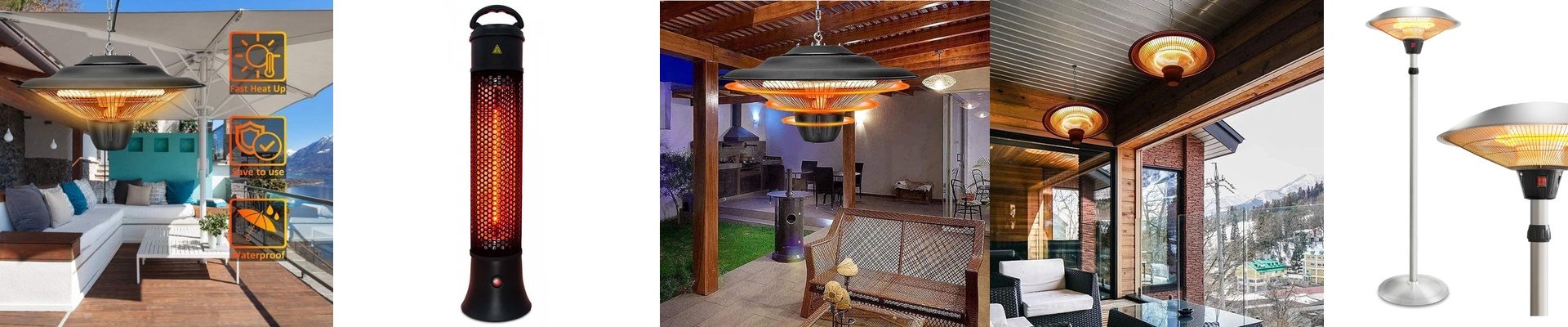
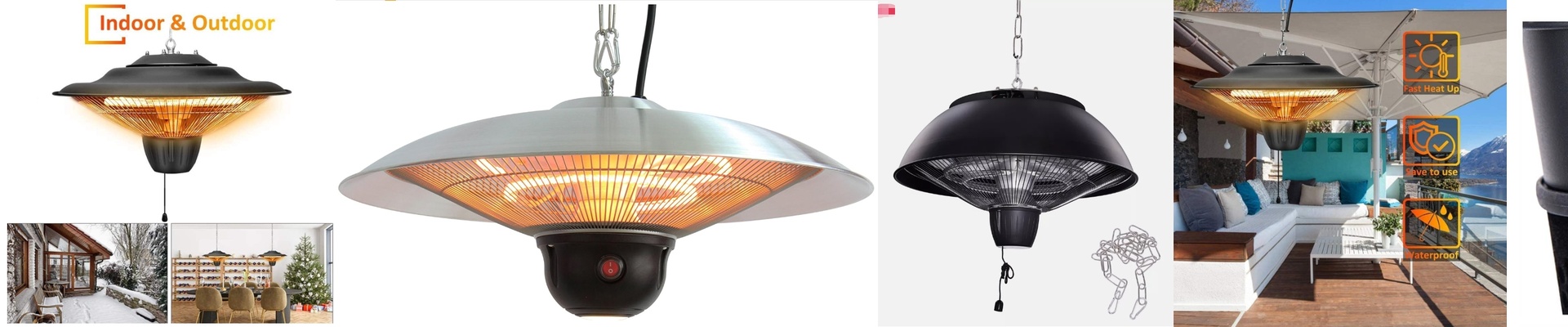
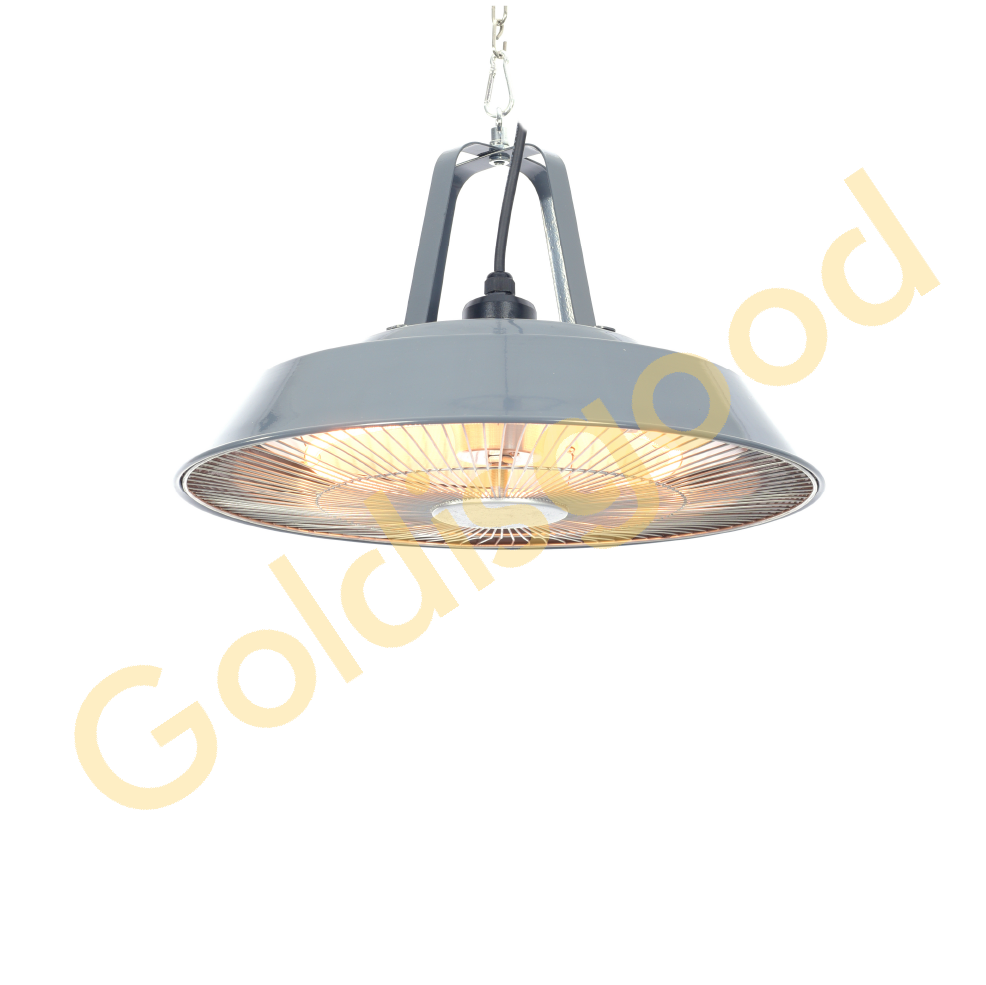
We built these electric blow heaters for places where clean air isn’t just nice to have—it’s the whole point. Think industrial spaces where temperature control has to play nice with dust control. How? Halogen infrared tubes. They radiate heat straight onto the target or the space, skipping the air-moving parts that kick up dust. The payoff is simple: warmth that doesn’t dry out the air or stir up particles.
Power, Voltage, and Size—Without the Overthink
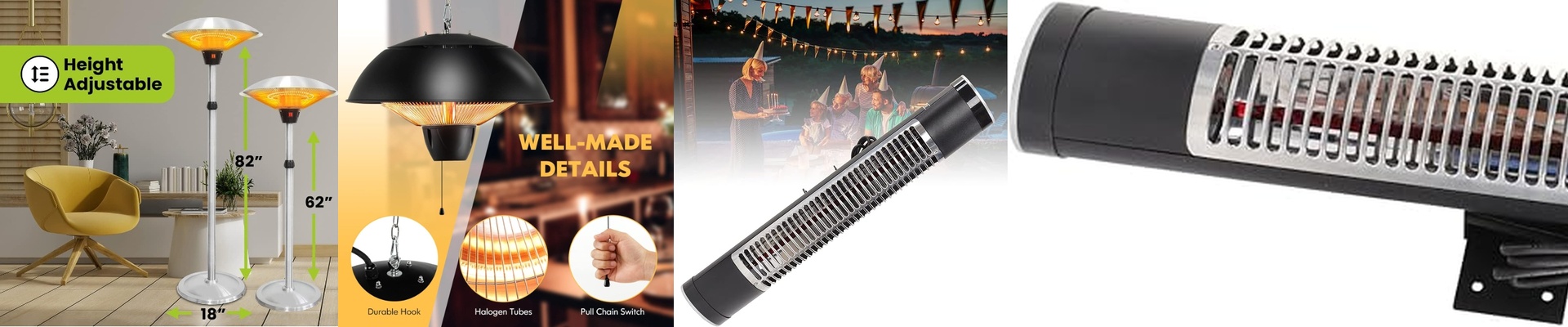
These heaters lean on high-density heating tubes. Most setups run on 230V or 400V, pulling between 1500W and 2500W depending on what you need. The tubes run from 300mm to 600mm long, so you get serious heat in a footprint that fits tight spots. High voltage packs more wattage into a smaller package—but your electrical setup has to be ready for it. Wire gauge, contactors, and fusing all need to be sized properly.
The Tube: Halogen, Quartz, and Built to Last
The heating element is a halogen-filled quartz tube. Quartz handles high heat and stays steady when things heat up and cool down. The halogen gas helps the filament last longer by cutting down evaporation and keeping the element cleaner. And because the tube is sealed, there’s no exposed coil sitting in the air. That means less oxidation and fewer contamination worries.
R7s Connectors: The Simple Part That Matters
We use R7s connectors on these tubes. They give you a solid, double-ended connection that can handle high current and makes replacement straightforward. The fit is rigid and repeatable, which helps reduce hot spots and connection failures. Wire it once, and it stays put.
Clean Heat for Sensitive Spaces
In places where dust control and low humidity matter, infrared heat really shines. It warms objects and surfaces directly, so you don’t have to blast air across the room. Less air movement means fewer particles getting kicked up—and a lower chance of triggering allergies. For engineers, that means fewer filters to deal with, less maintenance downtime, and thermal performance you can count on.
A Quick Reality Check
Infrared heat is intense and localized. That’s powerful—but it also means you need to plan coverage carefully. Shadowing can happen, so layout matters. Pair the heater with the right shielding and thermostatic control, and you’re set.