
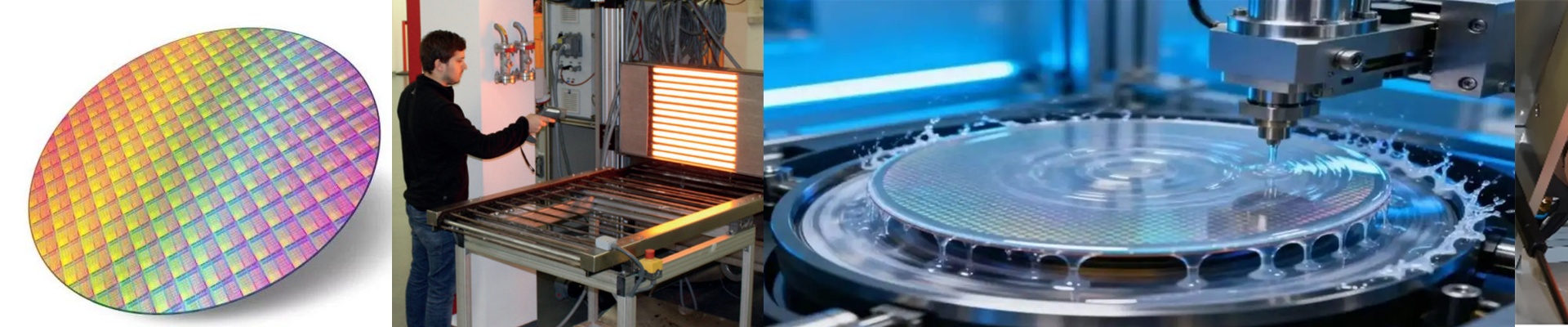
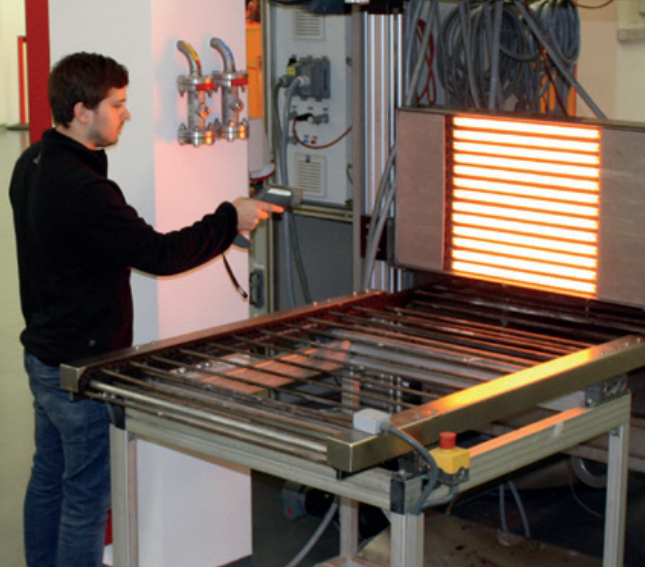
On the fab floor, temperature drift during soft bake or hard bake isn’t just a line-stop—it shows up as real defects. Undershoot on soft bake leaves solvent trapped in the resist. Overshoot on hard bake drives flow, and your patterns blur. The fallout is scrapped wafers, rework, and thermal budget you can’t afford to waste. What matters, technically We built a wafer heater that keeps wafer-level uniformity at ±0.1°C across the full process window, so photoresist bake is repeatable and critical dimension control stays stable. Fast-response elements give you tight thermal control, and the design is compatible with cleanroom Class 1–100 without adding particles. It runs 24/7 with no unplanned downtime, and the low-energy drive cuts consumption without giving up temperature stability. Here’s the point in lithography: you need bake profiles that hold, batch after batch. This heater keeps setpoint steady, so soft bake dries evenly and hard bake sets the resist without flow. That means fewer rework lots, higher yield, and cycle times you can count on. The energy savings come from efficient heating and less waste on ramp and cooldown, which lowers operating cost while the process window stays tight. Installation and qualification Installation comes down to matching the existing tool footprint and utilities. We provide interface drawings and pin-to-pin compatibility documentation so you can retrofit directly. Plan a short qualification run to lock down your specific resist and bake schedule. The unit is tough, but thermal cycling still means you need scheduled calibration—treat it the same way you treat any core process sensor.