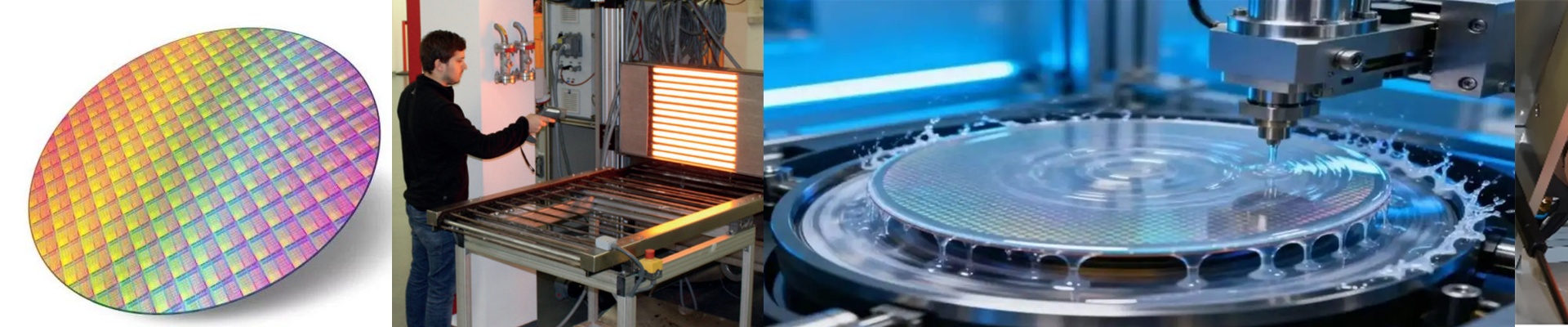

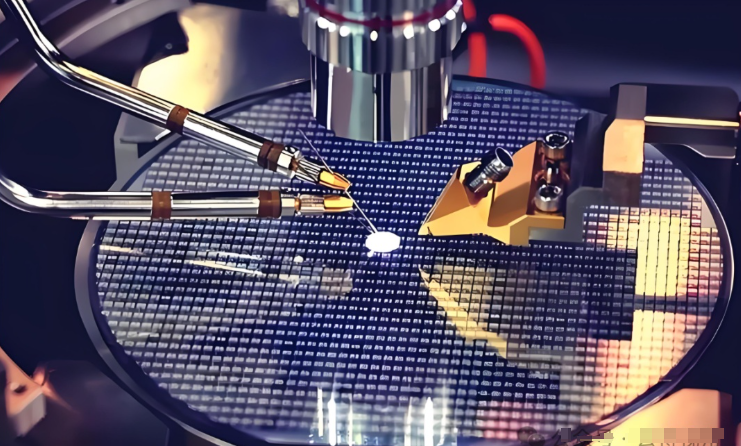
On the fab floor, the 24/7 cadence doesn’t forgive thermal drift. Soft bake at 95°C, hard bake at 110°C—those temperatures set your linewidth control and your defect budget. Let uniformity drift beyond ±0.5°C, and you’re staring down CD loss and scum. We built our thermal core to meet the real requirements of semiconductor equipment—drop-in for photolithography bake tracks and advanced packaging tools, fully validated. What matters, technically Our halogen-free heaters, tuned for NIR, hold wafer-level uniformity within ±0.1°C across 150 mm and 200 mm substrates, with setpoint repeatability under ±0.05°C. The architecture is cleanroom-ready for Class 1–100, and it adds zero particles above 0.1 μm once you’re in steady state. Carbon-fiber insulation shaves energy draw by up to 25%, and you can ramp at 10°C/s without overshoot. Quartz windows and standard connectors line up with SEMI footprints and interface specs. Why it plays in the fab In the lithography bay, that thermal control tightens CD distributions and cuts down rework lots. On packaging lines, it stabilizes the thermal budget for mold cure and underfill—fewer voids, less delamination. Reliability comes back as MTBF above 10,000 hours, with zero unplanned downtime across multi-month runs. You get faster qualification, less scrap, and predictable utility spend—without touching your existing process recipe. Here’s what you need to plan Installation needs a dedicated 24 VDC, Class 2 power circuit, plus a cleanroom-compatible exhaust path for the thermal module. Expect about 24 hours to qualify and lock thermal profiles across your product mix. The system meets SEMI equivalents, but if you’re integrating with legacy controllers, you may need a PLC mapping update. We provide the interface specs and on-site commissioning, so the changeover is measured, not disruptive.