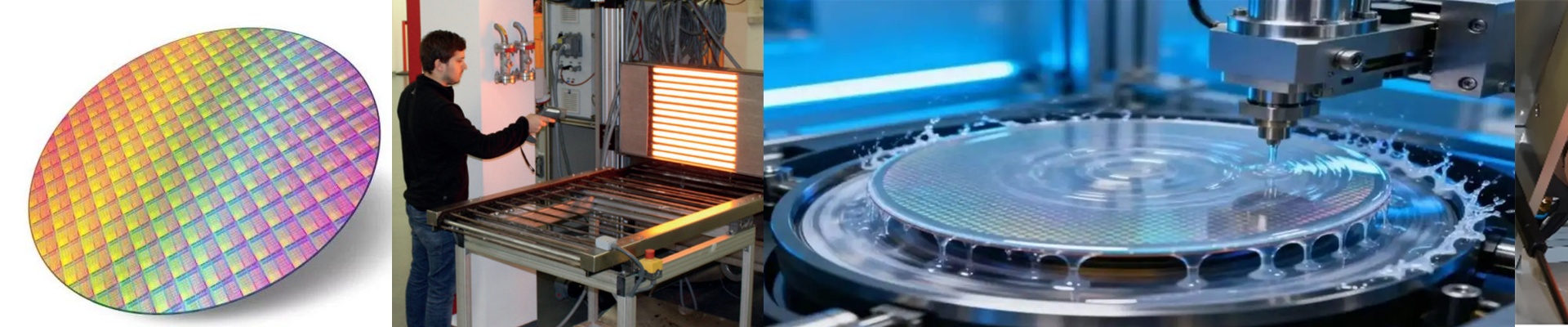

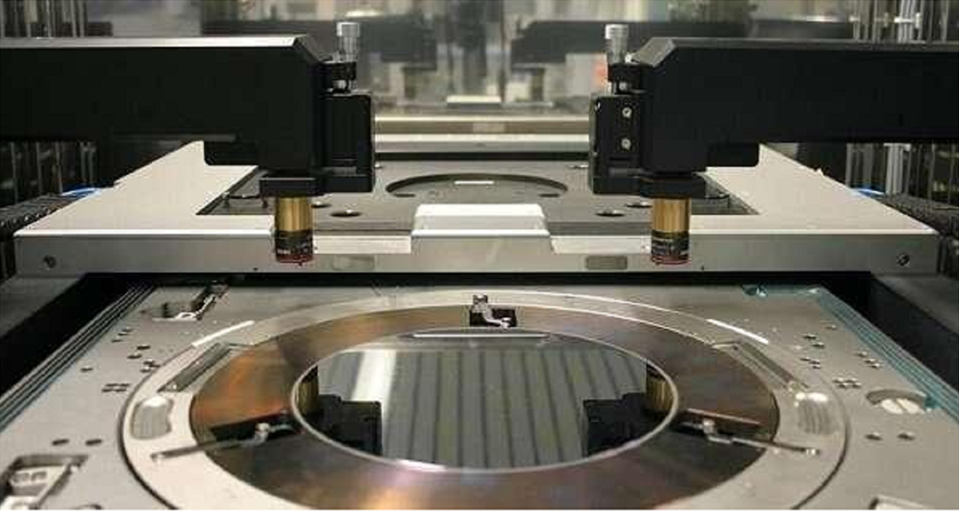
On the fab floor, the photoresist bake isn’t just another step. It’s the thermal anchor that keeps critical dimension control from walking off the rails. Catch a 2°C drift in soft bake or hard bake, and the whole lithography budget slides. The line starts chasing spec instead of holding it. We built our photoresist baking lamps to keep that anchor planted, shift after shift. What matters, technically We use near-infrared (NIR) heating to hit sub-millimeter-scale thermal uniformity across the wafer plane, with repeatable setpoint stability that stays inside tight thermal tolerances. The profile is tuned for photoresist: energy delivered fast without scorching, temperature consistent across the field, and quick recovery between lots. The payoff is simple. The bake behaves like a fixed parameter, not a moving target. Why it plays in lithography Photoresist baking sets solvent removal and film adhesion. With this lamp, you get wafer-level thermal uniformity, cleanroom-compatible operation, and zero particle generation. Yield stays up. Scrap stays down. The system runs 24/7 with predictable output, so unplanned interruptions drop. You spend less time tweaking bake profiles and more time shipping good die. What you need to get right NIR lamps need careful integration into the bake station: alignment to the wafer plane, controlled cooling, and proper shielding to protect the surrounding optics and materials. Clean power and solid thermal management are non-negotiable if you want the uniformity to hold. We provide installation guidance so the lamp hits spec from day one, and we size the system to match your chamber geometry and throughput targets.