Cutting the Energy Bill: Infrared vs. Oil-Filled Heaters
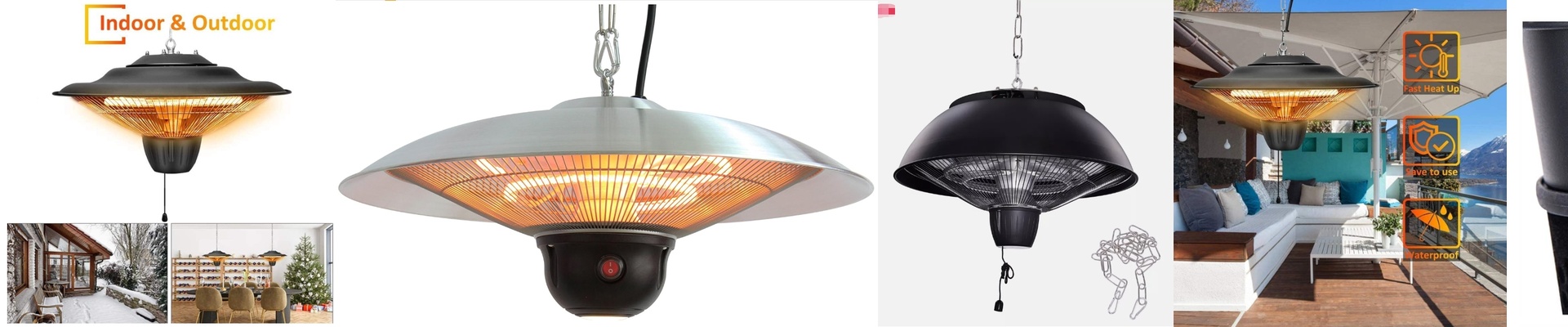
Ever wonder why your electric bill spikes when you run that old oil-filled radiator? It’s all about how the heat actually reaches you. Those bulky oil heaters spend their time warming up the air, which then slowly trickles around the room. It’s a roundabout way of doing things. Infrared heaters? They cut straight to the chase. They send out radiant energy that warms objects and people directly. That direct approach means way less wasted energy. For the same cozy feeling, an infrared heater typically uses30-40% less power. It’s not some pie-in-the-sky theory. It’s just smart physics.
The Secret to Targeted Heat
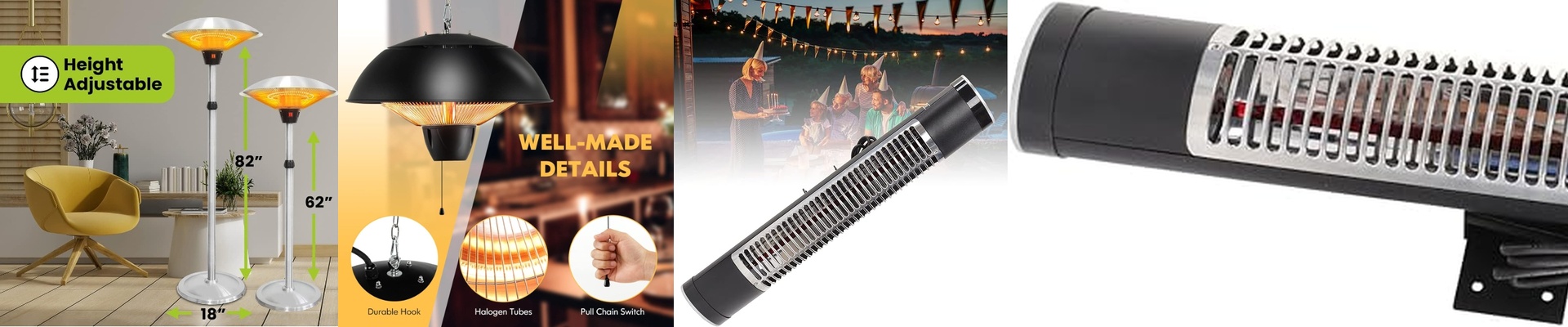
Here’s the thing: infrared heaters are built for focus. A 1000W infrared unit can give you the same comfort as a 1500W oil-filled radiator. The difference is the heat density. Infrared concentrates the energy right where you need it. The oil-filled kind just spreads it around, and a lot of it gets lost in the process. This means you don’t have to over-buy. You just size the heater for the spot you’re actually using, not the whole room. That precision is what keeps your electricity bill in check.
What Makes It So Effective?
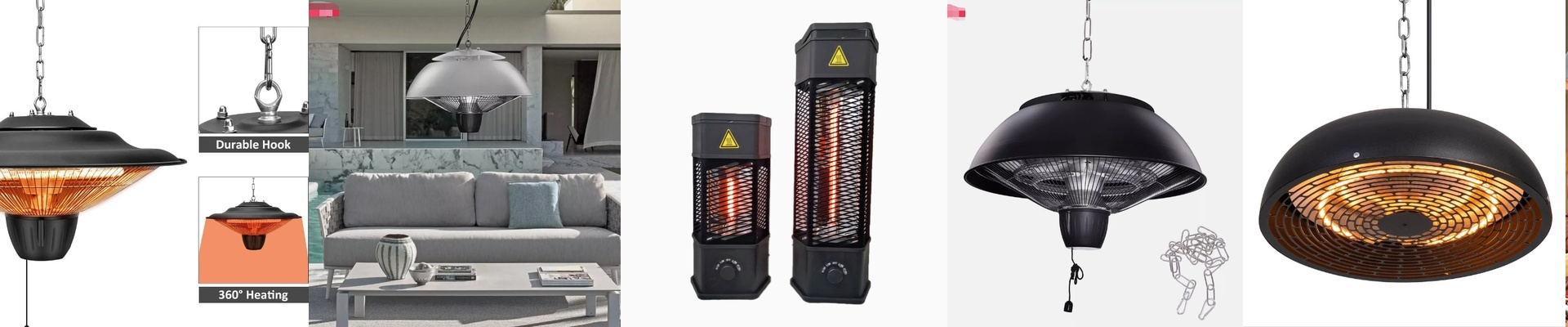
It all starts with the halogen tube inside. That quartz envelope holds a high-performance filament that heats up almost instantly. No waiting around. The moment you flip the switch, you feel the warmth. The tube’s coating is designed to make sure the maximum amount of energy is turned into effective heat. And the R7s base connector? It’s a workhorse. It provides a secure, low-resistance connection that’s built to handle the vibration and temperature swings that would fry a standard household plug. That’s why it holds up on a busy factory floor, day in and day out.
Real-World Savings in Action
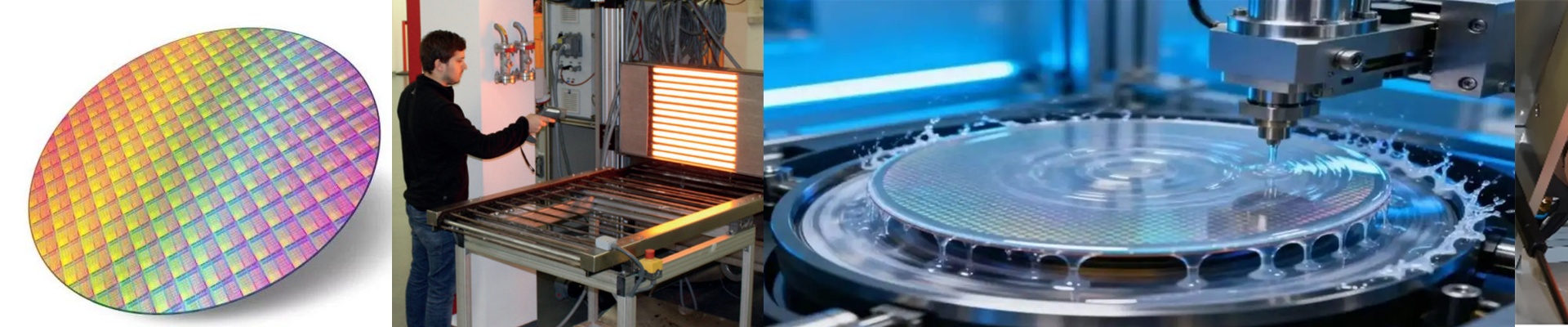
Think about a workshop. With infrared, you can heat your workstation without wasting energy on the entire building. It lightens the load on your electrical system. Just keep in mind that infrared is directional. You have to aim it where you want the heat. It won’t warm the air in the empty corners of the room, so placement matters. For anyone managing a space, this means lower energy bills, less maintenance, and a smaller footprint. The upfront cost pays for itself through real, measurable savings on your monthly power bill. **One quick heads-up:**A 1000W infrared heater packs a serious punch. Make sure your machine’s cooling system and electrical wiring are up to the task of handling that localized heat.