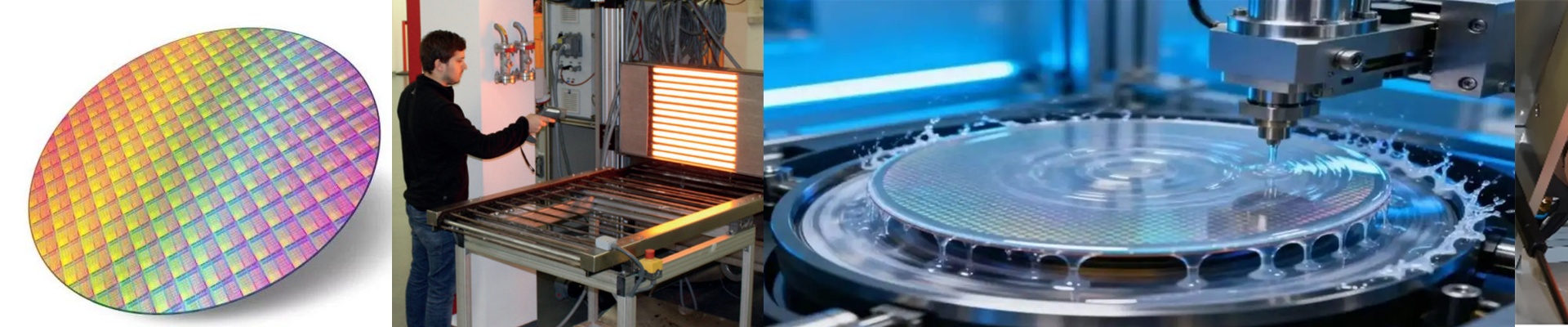

Out on the fab floor, a few degrees of temperature drift during the photoresist bake isn’t a “minor deviation.” It punches straight at Critical Dimension uniformity and starts pushing wafers into scrap. When an Axcelis thermal module starts missing its mark, the line stalls—wafers sit and wait, and the thermal budget gets eaten up in ways you can’t plan for.
What matters, technically
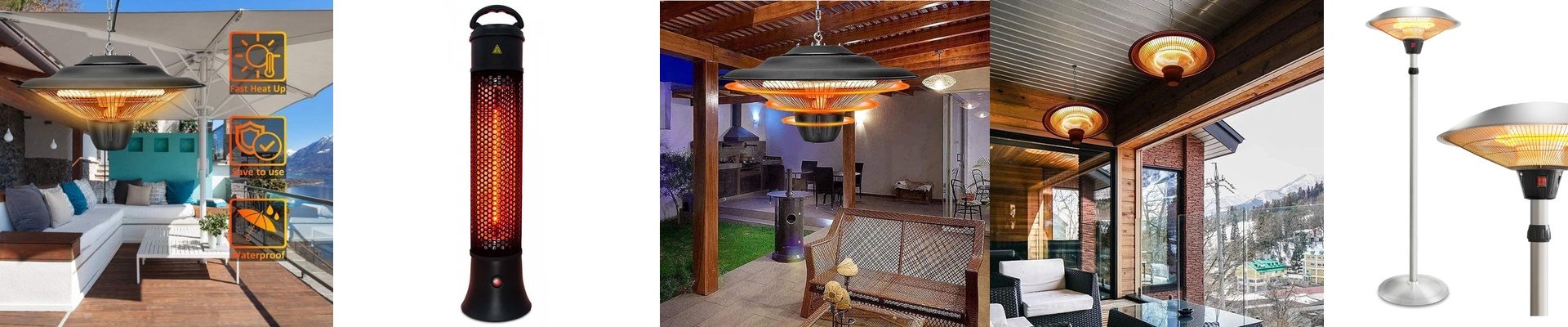
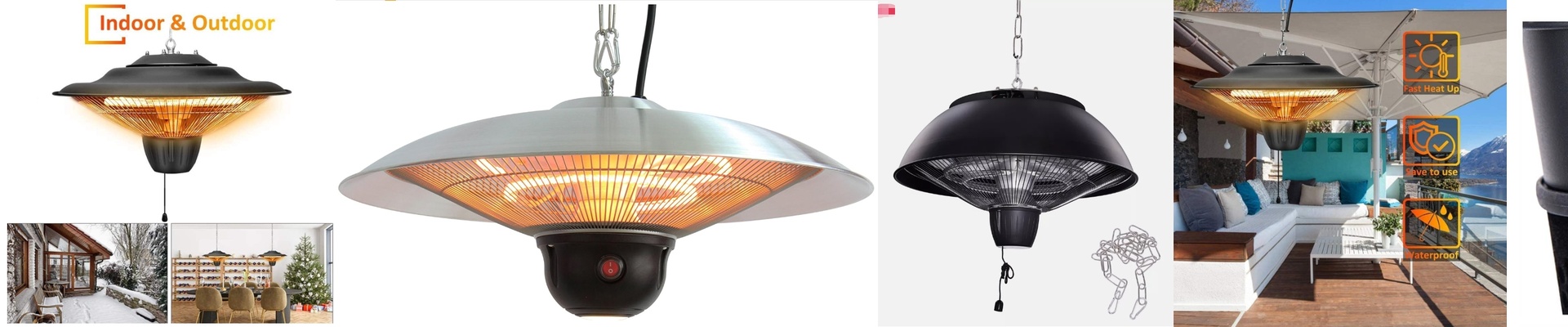
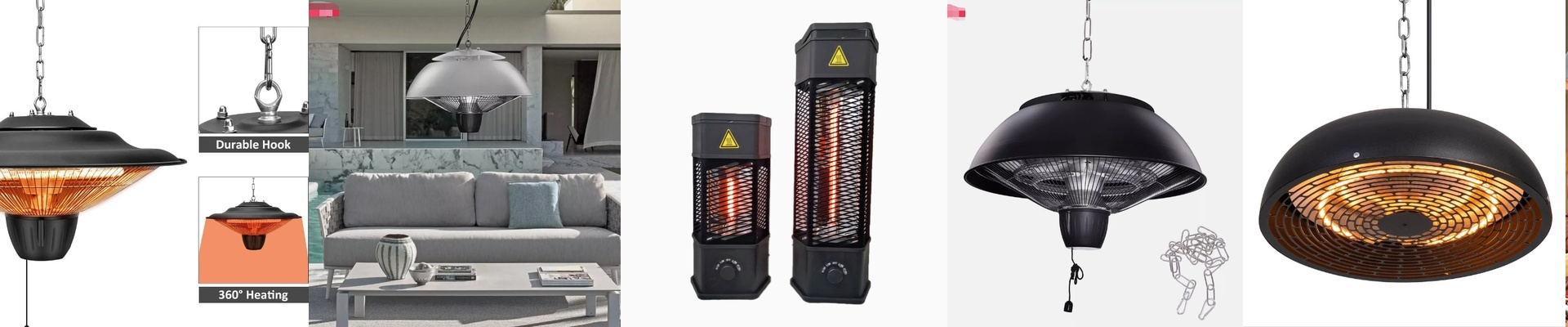
Axcelis heater element spares are built to match the thermal profile photoresist processing actually demands—soft bake and hard bake steps that need rock-stable setpoints and tight uniformity. The elements deliver consistent radiant output with wafer-level temperature control to ±0.1°C, which is what buys you repeatable resist flow and predictable edge bead behavior.
The construction is cleanroom-compatible for Class 1–100 environments. Materials and terminations are chosen to keep particle generation and outgassing down. You get stable resistance over thousands of thermal cycles, predictable ramp behavior, and compatibility with Axcelis chamber architecture.
Why it holds up in lithography
Lithography is where yield gets made or broken. With these spares, you keep thermal repeatability across lots, cut down CD excursions that trace back to bake drift, and keep the photoresist profile from wandering day to day.
The payoff shows up as fewer reworks, less scrap, and a cycle time you can plan around. Thermal stability also cuts energy waste from overshoot and re-heat, and the long service life means fewer spares consumed and fewer maintenance windows.
What to watch for
Installation is straightforward, but thermal contact and alignment are touchy. Verify chamber calibration after replacement and confirm connector integrity—mismatched terminations or contaminated contacts can drive resistance drift.
Make sure the spare matches the exact chamber revision; thermal behavior shifts with reflector geometry and sensor position. And schedule preventive replacement around the process maintenance calendar so you don’t get blindsided by unplanned downtime.
תרגום לעברית:
על רצפת הייצור, סטייה של כמה מעלות בטמפרטורה במהלך אפיית הפוטורזיסט אינה “סטייה קטנה”. היא פוגעת ישירות באחידות הממד הקריטי ומתחילה לדחוף וופרים לפסולת. כשהמודול התרמי של Axcelis מתחיל לפספס את המטרה שלו, הקו נעצר — הוופרים ממתינים, והתקציב התרמי מתבזבז בדרכים שאינן ניתנות לתכנון.
מה שחשוב טכנית
רכיבי החימום של Axcelis מיוצרים כדי להתאים לפרופיל התרמי שדורש עיבוד הפוטורזיסט — שלבי אפייה רכה וקשה שדורשים ערכי סט אלא יציבים מאוד ואחידות הדוקה. האלמנטים מספקים פלט קרינה עקבי עם בקרת טמפרטורה ברמת הוופר עד ±0.1°C, מה שמאפשר זרימת רזיסט חוזרת ונשנית והתנהגות צפויה של תת-הקצה.
הבחירה בחומרים והסוגי החיבורים מותאמים לסביבה נקייה בדרגות Class 1–100, תוך שליטה בהיווצרות חלקיקים ושחרור גזים. תקבל התנגדות יציבה לאורך אלפי מחזורי חימום וקירור, התנהגות מדורגת צפויה, ותאימות לארכיטקטורת תא Axcelis.
מדוע זה אמין בתחום הליטוגרפיה
הליטוגרפיה היא המקום שבו התפוקה נקבעת. עם הרכיבים החלופיים האלה שומרים על חזרתיות תרמית בין משלוחים, מקטינים סטיות בממד הקריטי שנובעות מהסטייה באפייה, ומונעים נדידה בפרופיל הפוטורזיסט מיום ליום.
התוצאה ניכרת בפחות תיקונים חוזרים, פחות פסולת, וזמן מחזור שניתן לתכנן סביבו. יציבות תרמית חוסכת גם אנרגיה המושקעת בהתחממות יתר ובהתחממות חוזרת, וחיי שירות ארוכים משמעותם צריכת חלקי חילוף מופחתת וחלונות תחזוקה מצומצמים.
מה יש לשים לב אליו
התקנה היא פשוטה, אך מגע תרמי וכיוונון רגישים מאוד. יש לאמת כיול התא לאחר ההחלפה ולאמת את תקינות החיבורים — חיבורים שאינם תואמים או נקיים יכולים לגרום לסטיית התנגדות.
יש לוודא שהחלף תואם בדיוק את גרסת התא; ההתנהגות התרמית משתנה בהתאם לגיאומטריית המוצר הנצבר ומיקום החיישן. יש לתכנן החלפות מונעות בהתאם ללוח הזמנים של תחזוקת התהליך כדי להימנע מהפתעות של עצירות בלתי מתוכננות.