Introduction
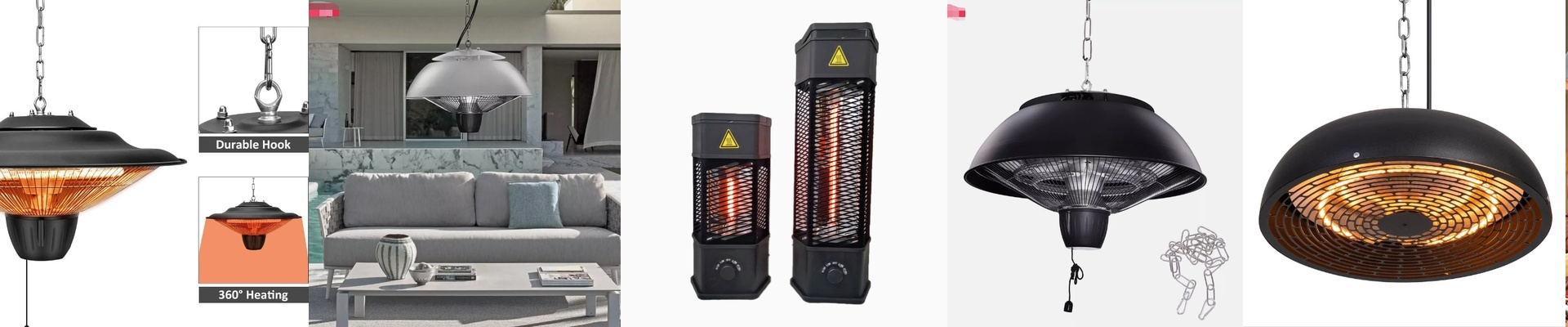
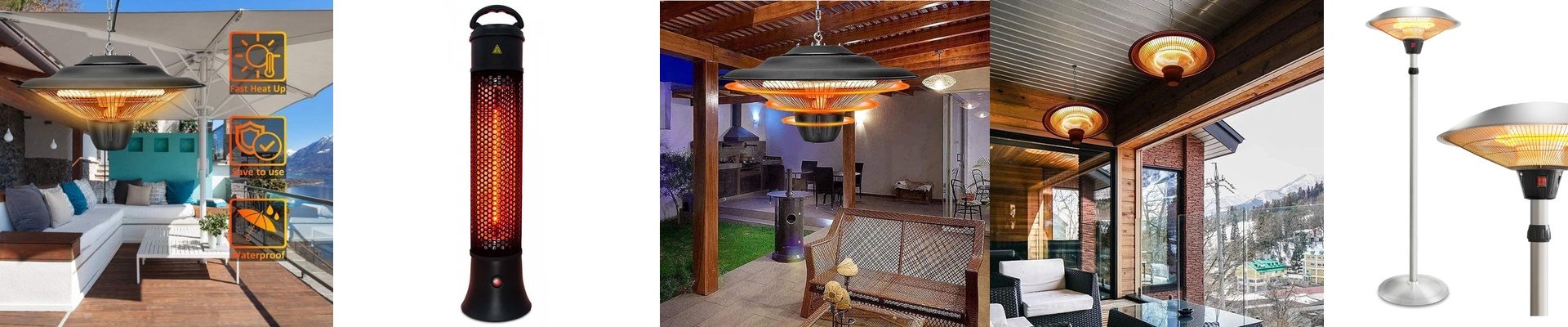
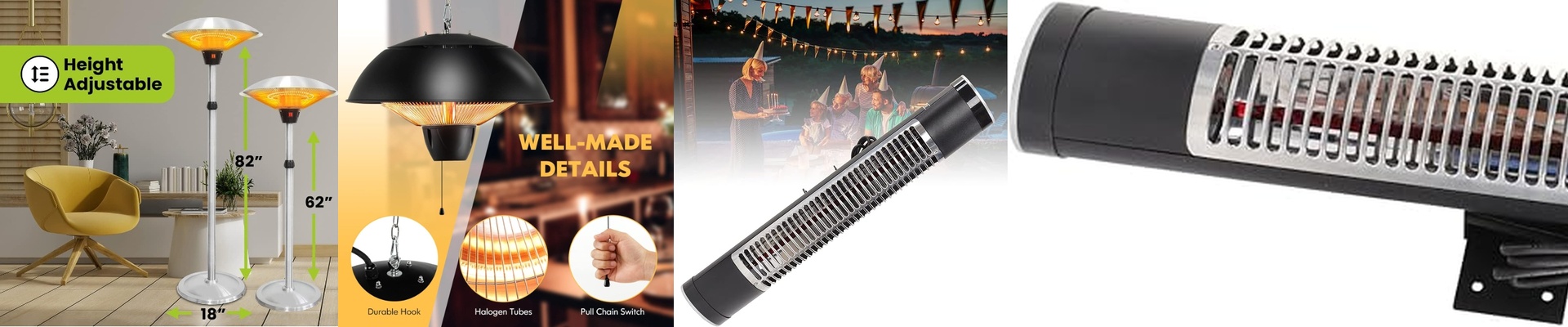
Picture this: you’re running an open-air restaurant, and the wind is doing its best to chase every customer home. We built our waterproof infrared heaters for exactly that fight. They don’t waste time warming the air. They send heat straight to the people at the table. The point is simple: keep your guests comfortable, keep them seated, and keep the place humming—even when the weather tries to shut you down.
The Heat, Explained Without the Fluff
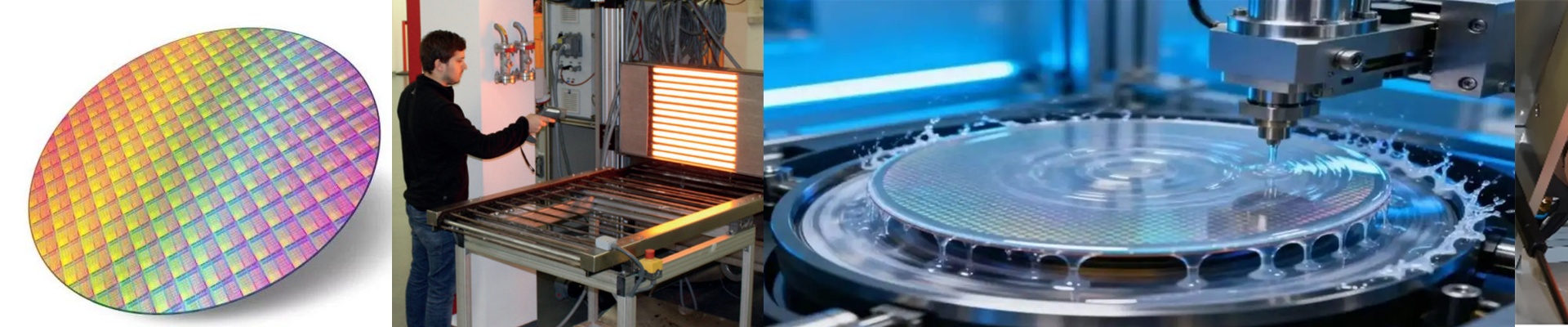
Inside these heaters are high-output halogen elements that create shortwave infrared. That means the warmth hits people and surfaces directly—think of it like standing in a patch of sunlight. It warms you through your clothes and hits the table, not the empty space above. In an open layout, that’s huge. The heat lands where it matters most, instead of drifting up and vanishing.
Power That Matches Real-World Jobs
We set these heaters up for the electrical reality you’re dealing with. Depending on your site, they run on 220–240V or 380–400V. Going with higher voltage drops the current per heater. That makes a big difference out in the field: you can use thinner wire and keep the circuit layout clean, especially when you’re spreading heaters across different zones. Wattage is about coverage. A stronger tube gives you more intensity per square meter, so you can space units farther apart and still hit the comfort level you want.
Built to Take It—Outside, Every Day
The heart of the unit is a quartz tube, filled with halogen and built around a precision filament. Quartz handles rapid heating and cooling without cracking under the stress. It stays steady even with vibration and sudden temperature swings. Then we coat the inside of the reflector so more heat goes forward—where you aim it—and less energy wanders off and cooks nearby parts.
The Details That Save You Headaches
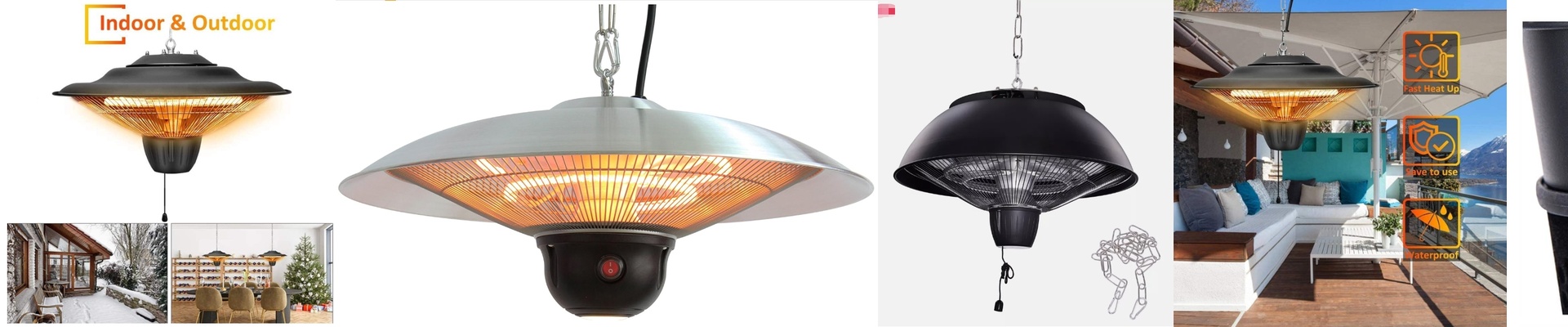
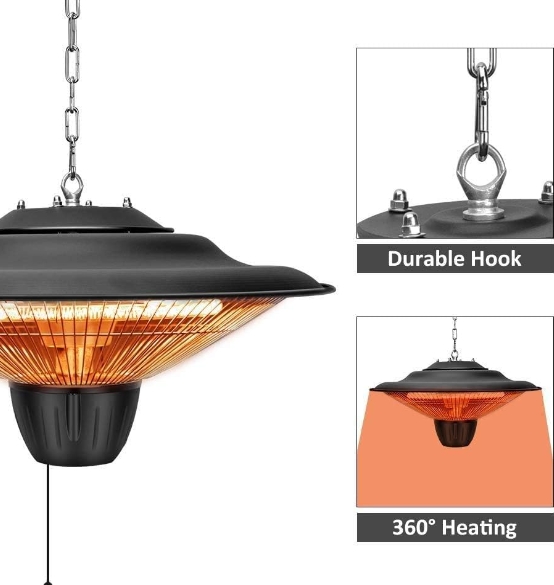
Connectors matter when you’re installing and maintaining equipment outdoors. We use R7s and SK15 because they lock in place and hold a solid connection even as things expand and contract with heat. They’re made for being installed and removed again and again without getting loose or sparking. And because these live outside, the whole assembly is sealed to IP54 or higher. Rain, dust, wind-driven spray—kept out. That seal is exactly why you can mount the heater overhead above exposed seating and not spend your life servicing it.
What This Means for an Open-Air Restaurant
The payoff is practical. With direct radiant heat, you can stretch your season into the colder months and keep tables usable when the temperature suddenly drops. Comfortable guests mean higher occupancy and faster turnover. People aren’t waiting around for enclosures to warm up or for bulky heaters to change the air temperature. They’re warm right away, at the table.
A Few Realities—Nothing Fancy, Just Honest
Infrared heat is directional. That’s not a flaw; it’s how it works. You’ll need to plan mounting height, angle, and spacing so you don’t get hot spots and cold gaps. Higher-wattage units also put out more local heat, so you have to make sure nearby materials and clearances are set up right. But get the setup right once, aim it properly, and these heaters run quietly. There aren’t a lot of moving parts to worry about.