
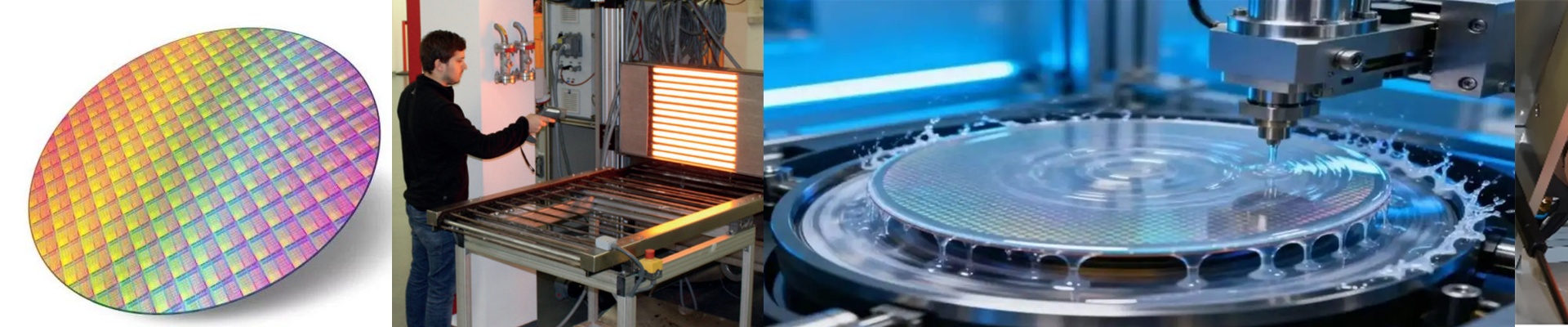
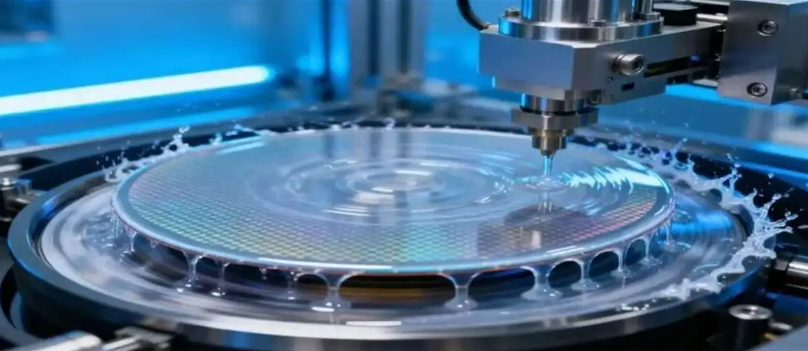
On the fab floor, thermal excursions aren’t just a parameter to track—they’re a direct route to yield loss. A 0.5°C drift during photoresist soft bake can throw off critical dimension bias. Leave solvent in the film, and you get edge bead. That means scrap. We built our industrial wafer heater line to shut down those failure modes, right where thermal steps define patterning and cleaning. What actually matters, under the hood We run short-wave infrared (SWIR) emitters to dump thermal energy straight into the wafer—fast, direct, and repeatable. Across the full window—60°C for soft bake, 120°C for hard bake, and beyond—wafer-level uniformity stays within ±0.1°C. Closed-loop, multi-zone control makes that happen, compensating for emitter aging and line voltage swings. The platform is cleanroom-ready for Class 1–100, with zero particle generation during thermal cycles, verified in-situ. Why it sticks in lithography and cleaning In lithography, a consistent soft bake stabilizes the photoresist film. That gives you tighter CD control and fewer rework lots. For wafer drying, the same thermal platform drives off rinse solvents without inducing surface tension defects—no water marks that come back as electrical fails. Fast ramp-up and clean settling shorten cycle time, and energy recovery keeps consumption down. The platform is built for 24/7 reliability with zero unplanned downtime, so line yield stays steady and maintenance schedules stay predictable. The details that keep you out of trouble SWIR means you have to manage thermal budget carefully on polymer-sensitive stacks. We ship recipe libraries mapped to film stacks, and our application team will tune exposure time and temperature profiles with you. Installation needs a dedicated 240V line and exhaust routing verified to maintain cleanroom pressure differentials. Match the tool to your process, and thermal stops being a risk and starts being a controllable asset.