
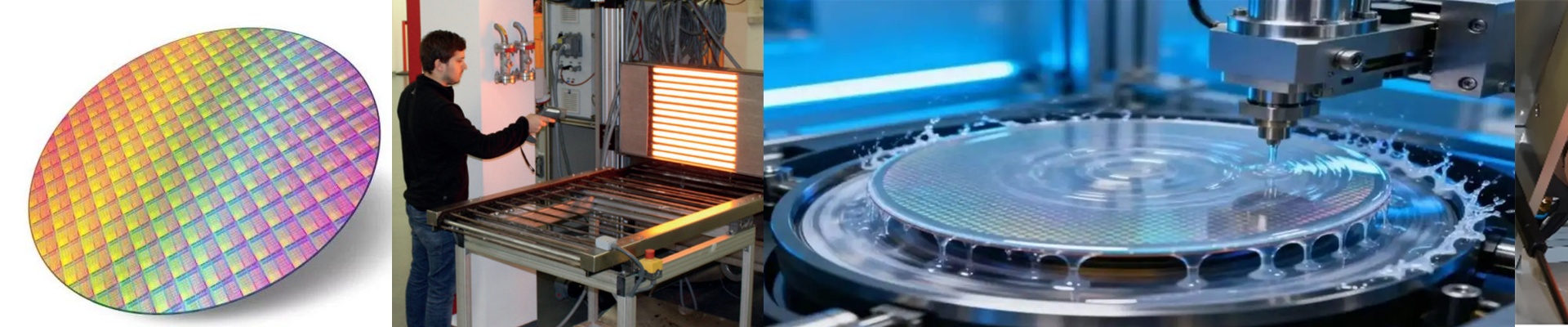
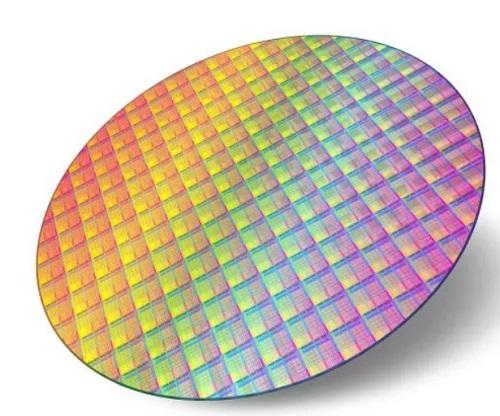
On the fab floor, thermal excursions during photoresist processing are the kind of thing you feel before you see. Overlay starts to drift, CD control gets messy, and you know your soft bake and hard bake profiles are wandering. When that happens, line yield follows the same sloppy curve. What matters under the hood We built this IR bulb around a gold-reflector architecture, pushing NIR delivery where you need it and keeping stray heat out of the equation. The payoff is wafer-level temperature uniformity within ±0.1°C across the bake surface, with setpoint response that snaps in fast. The filament and envelope are built for cleanroom Class 1–100 operation—zero particle generation, and stable output over 5,000+ hours. That output stability keeps photoresist thermal budgets consistent lot after lot, so lithography and etch stacks behave the way they should. Why this matters in photoresist processing The bake step sets everything that comes after: solvent removal, adhesion, and film stress. With this bulb, the profile you want is the profile you get—soft bake for solvent evacuation, hard bake for adhesion and etch resistance—without hot spots or edge roll-off. The result is fewer reworks, tighter CD uniformity, and defect performance you can plan around. Efficiency improves too, because the reflector concentrates heat on the wafer, not on the chamber walls. Reliability here is process reliability: fewer bake excursions, less unplanned downtime, and cycle times that stay stable. The practical details Installation comes down to matching the reflector geometry to your lamp housing and confirming the optical path alignment. If either is off, uniformity will drift. Expect a short commissioning run to tune setpoints against your wafer stack and carrier. The bulb fits standard mounts, but the gold reflector needs careful handling—treat it like any cleanroom component, keep it contamination-free, and the thermal performance will hold.