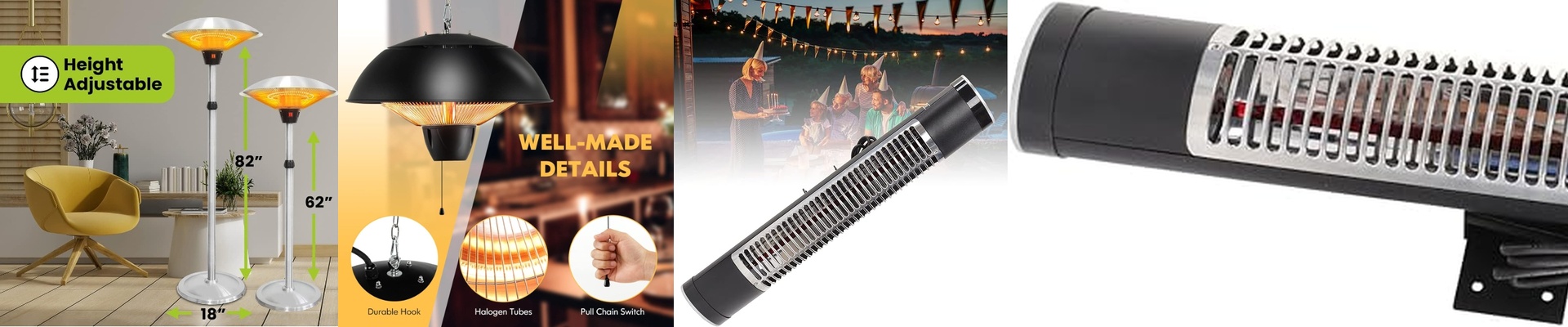

IP66 Outdoor Heaters: The Unsung Hero Is the Wire Seal
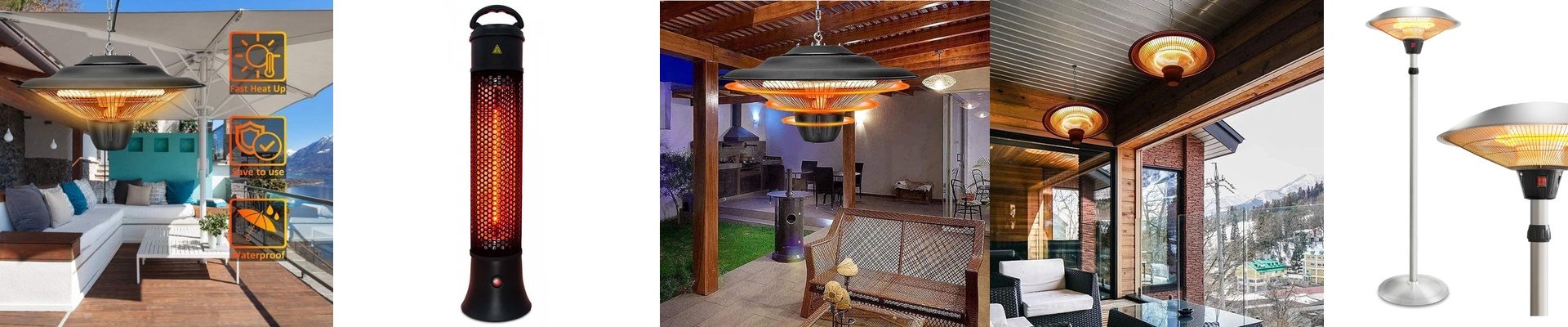
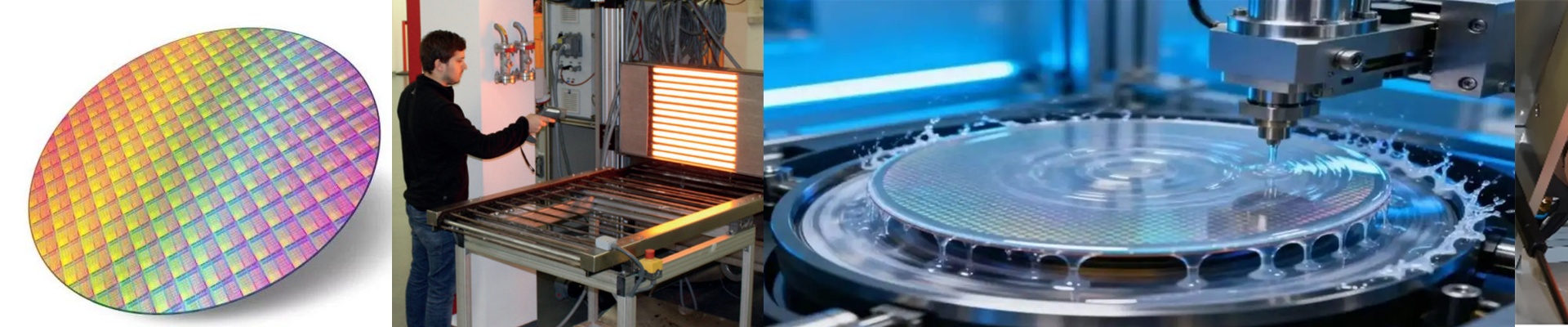
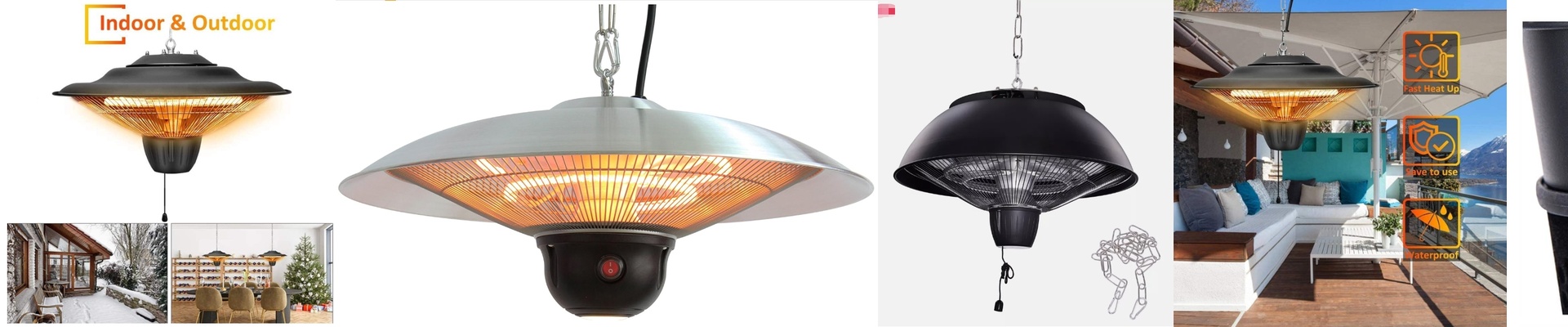
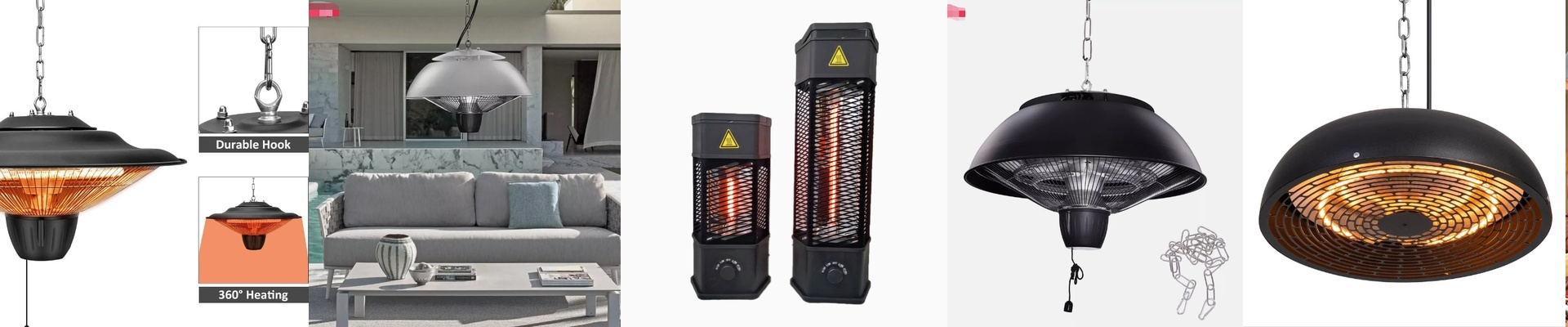
We build IP66 waterproof heaters for the plant floor—the kind of place where rain, dust, and wild temperature swings aren’t special events. They’re just Tuesday. Inside every unit is an infrared lamp that throws focused heat where you need it, without leaving the insides exposed to the weather. And the quiet star of the whole setup? The lead-wire seal. It’s the point where high heat meets critical electricity. If that seal isn’t tough, the heater doesn’t last long.
Power, Voltage, and Physical Specs—Kept Real
Infrared heating comes down to power density and control. We run the lamp at 400V because that lines up with industrial power, which drops the current for the same wattage. Lower current means you can use smaller conductors and avoid voltage drop over longer runs—handy when you’re wiring outdoor arrays. The tube is short, around 300mm, so it fits into tight spots and tight heating zones. A 2500W rating gives you fast heat response, but yeah—it also means the lamp runs hot. So the fixture has to match the lamp. Clearance, mounting orientation, and airflow around the tube aren’t optional. They’re mandatory.
Materials and Design: Quartz, Coating, and the Right Connectors
The tube is quartz because it handles high temperature and transmits infrared well. A halogen fill keeps the filament stable and helps prevent darkening over time, so output stays consistent. We use a reflective coating to push energy forward, boosting efficiency and keeping wasted heat off the mounting hardware. And the connector matters more than people think. The R7s base gives a solid, two-contact connection that can take high heat and makes the lamp a simple drop-in replacement in standard fixtures. At the lead-wire exit, we use a ceramic-reinforced, high-temp epoxy seal engineered to stop moisture at the gland. This is where real, industrial-grade build quality shows up: that bond has to survive thermal shock and vibration without giving up.
Reliability in the Real World
Outdoor industrial heating isn’t gentle. Equipment gets hosed down, rained on, and shaken around. IP66 means the heater can handle heavy washdown and weather without folding immediately. The sealed leads stop water from tracking along the cable and into the terminal block—one of the most common paths to a short. The trade-off is heat. The seal and the quartz tube get hot, so the housing and ventilation strategy have to be properly planned. But when you spec it right, you get predictable heat, fewer surprise stoppages, and easier maintenance because swapping the lamp doesn’t turn into a wiring redesign.
Why the Wire Seal Stops High-Temp Aging and Shorts
High-temperature aging doesn’t start at the filament. It starts at the weakest point: where the wire exits the unit. Standard rubber or cheap plastic glands harden, crack, and lose compression. Once moisture gets in, insulation degrades, tracking happens, and then the shorts follow. Our ceramic-reinforced seal keeps compression and dielectric strength even when temperatures stay high. It holds the IP66 barrier steady, even as the lamp cycles between full power and ambient conditions. For you, that translates to behavior that matches the spec sheet—and fewer failures in the messy reality of the plant.
Wattage Density vs. Cooling: The Practical Trade-Off
A 2500W infrared tube packs a lot of heat into a small footprint. That’s exactly why it works so well outdoors for spot heating. But that density also drives up temperature around the socket and the seal. If the enclosure is too small or poorly ventilated, internal ambient heat climbs, accelerating insulation aging and shortening component life. Plan for spacing. Add heat shielding where needed. Make sure airflow is real, not just assumed. Spec 400V to reduce current, but still size wiring and cooling for the actual duty cycle.
The Bottom Line: It’s the Seal
An IP66 outdoor heater isn’t just a sealed box with a lamp inside. It’s a thermal and electrical system, and the wire-seal design is what makes it reliable over time. Pick the right voltage, length, and wattage. And insist on a connector and seal that can handle high heat and moisture. That’s how you avoid premature burnout and keep the line moving.
Quick Specs
- **Protection:**IP66
- **Lamp type:**Infrared (halogen-filled quartz)
- **Voltage:**400V
- **Power:**2500W
- Length:~300mm
- **Connector:**R7s
- **Seal:**Ceramic-reinforced, high-temp epoxy interface
Where This Shines
- Spot heating in outdoor industrial zones
- Washdown-heavy areas
- Tight enclosures
- Systems where predictable lamp replacement matters
Installation, Done Right
Mount for the correct orientation, leave proper clearance, and make ventilation part of the plan. Overheating the socket will eventually defeat the IP66 seal.
Keep It Running
Inspect the gland and cable for nicks and heat cracking. Replace the lamp before the seal starts showing stress.
What to Spec
- Match voltage to your plant distribution (400V)
- Match tube length and wattage to the heating zone
- Use R7s connectors for drop-in compatibility
- Demand a high-temp, ceramic-reinforced lead seal
One Last Thought
If you want outdoor reliability, design around the seal. The rest is just making the heat land where you need it.