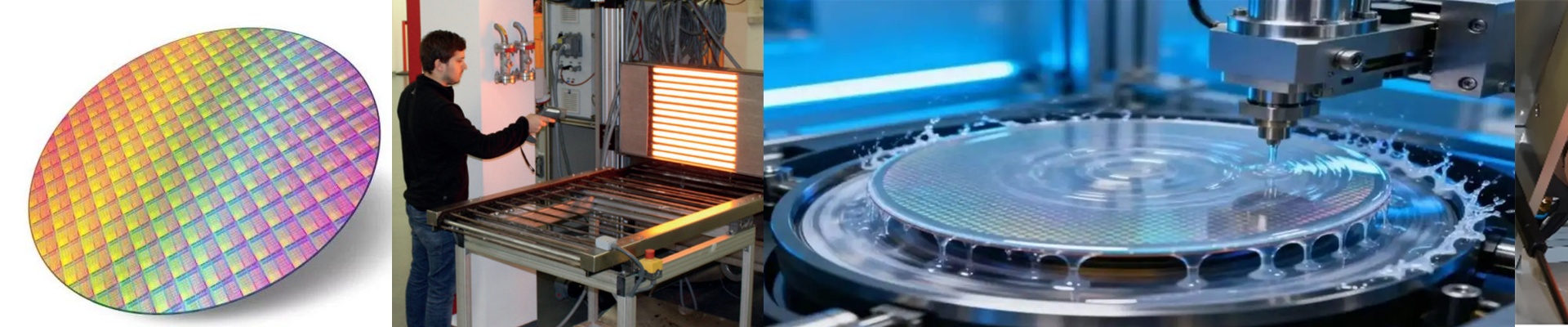
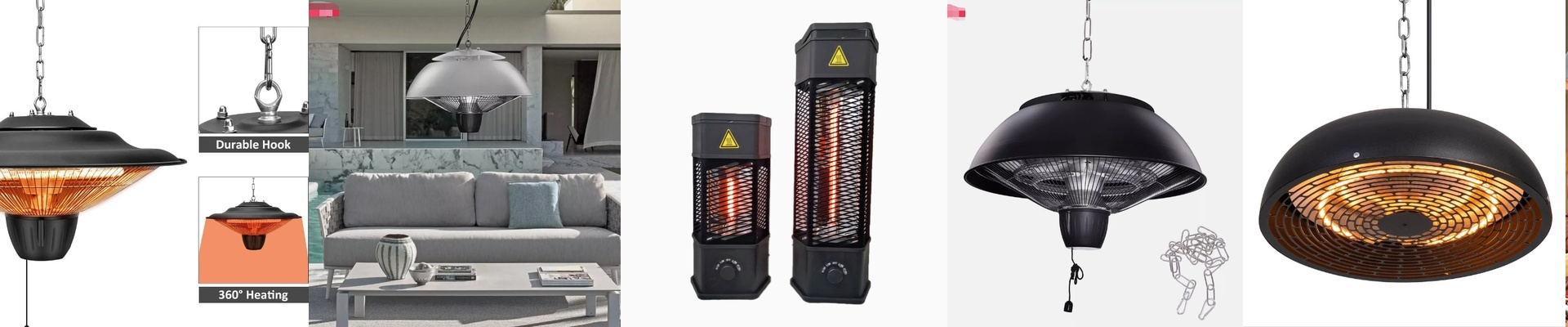
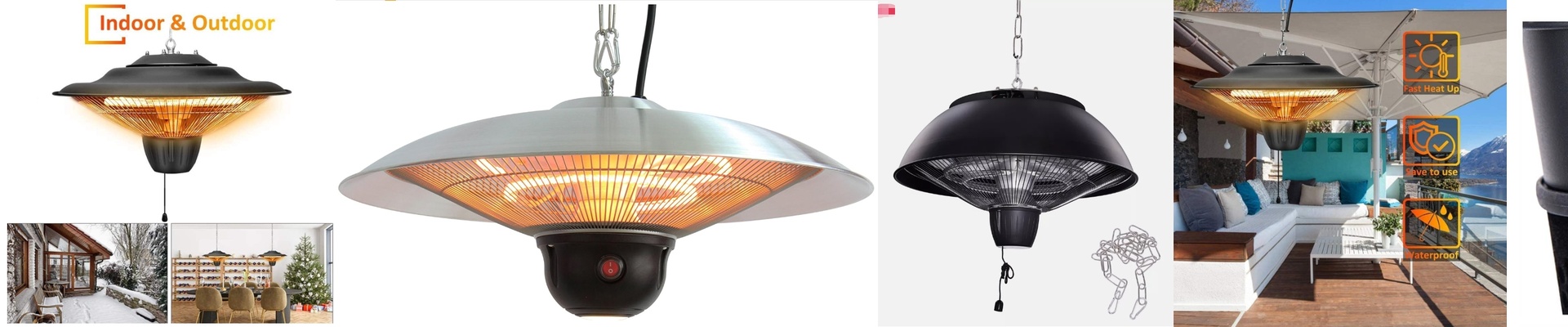
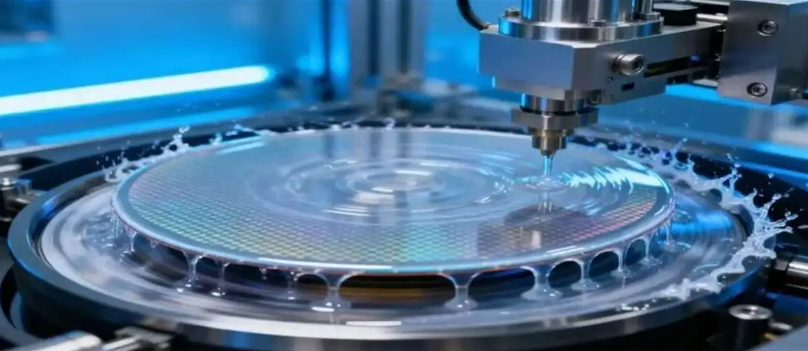
Out on the lithography floor, a half-degree drift in photoresist bake is all it takes to turn controlled linewidths into an excursion. You can’t chase yield with setpoints that wander. So we built infrared heating modules that keep thermal behavior inside the process window, shift after shift. What matters, technically We run short-wave infrared emitters with fast-response filaments, so you get rapid ramp-up and a stable steady state. Across the hotplate, wafer-level uniformity holds at ±0.1°C, and repeatability between lots is ±0.2°C. Closed-loop pyrometry and PID do the control, with sub-second corrections, so temperature doesn’t coast when the door opens. The modules sit on Class 1–100 cleanroom power and filtration, and the quartz/ceramic assembly is built to generate zero particles—no outgassing, no flaking, no contamination. Why it works in photoresist processing Soft bake and hard bake set solvent removal and polymer crosslinking. Our infrared profile shortens bake time while keeping critical dimension control, trimming the thermal budget and improving line-edge roughness. Fast response means less idle heat, so energy draw drops without hurting throughput. Reliability shows up as uptime: modules have run 5,000+ hours with under 5% output drift. Swap-in replacement lines up to standard tool cutouts, so the line keeps moving. Here is what to keep in mind Peak performance comes down to matching the emitter spectrum to the absorbance of your resist stack, and matching the mount to the tool’s mechanical and cooling interfaces. Plan a short qualification lot to tune PID and confirm uniformity mapping on your exact substrate stack. Once aligned, you get thermal behavior that stays in spec—not just on the chart.