Why we’re ditching hot air for Ozone-Free IR
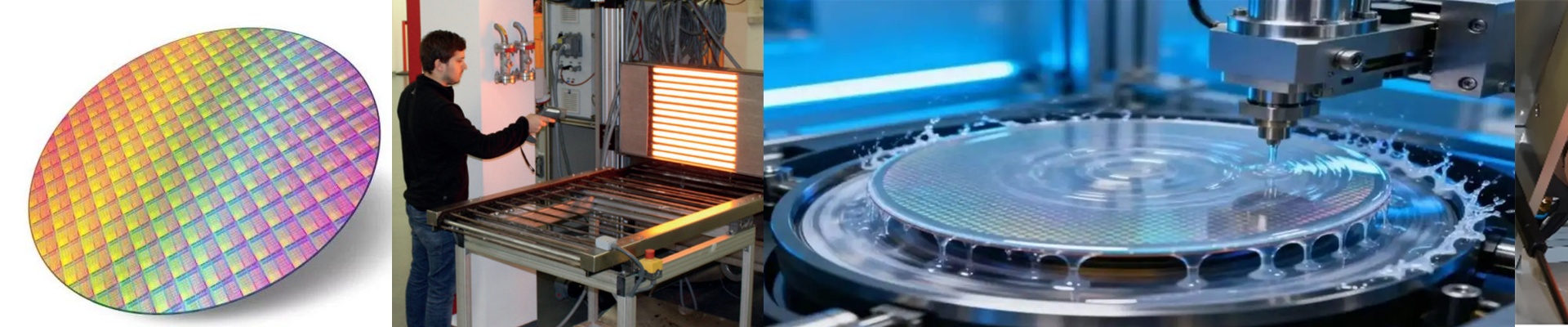
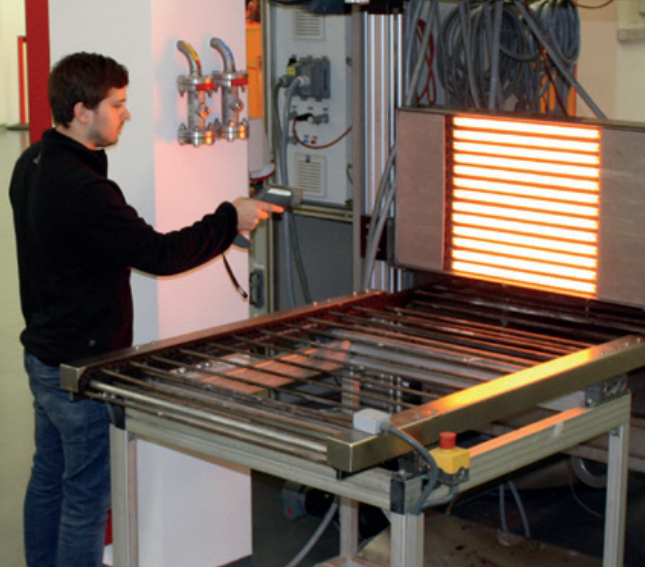
Let’s be honest: relying on hot air for semiconductor processing is a drag. It’s just too slow. You’re basically heating up the air, hoping that air eventually heats up your part. It’s a middleman process that wastes a ton of time. Switching to ozone-free infrared (IR) lamps changes the whole game. Instead of waiting on the air, you’re using radiation. The energy hits the substrate directly. No middleman. Just heat. The headache of convection If you’ve worked with hot air systems, you know the drill. The warm-up periods feel like they take forever, and the thermal lag is a nightmare. And don’t even get me started on part geometry. Change the shape of your part? Now you have to spend hours recalibrating the airflow. Our IR lamps kill that frustration. We use a specific quartz blend and filtered emitters to block the 185nm wavelength. Why? Because that’s the stuff that turns oxygen into ozone. In a cleanroom, ozone is a disaster—it contaminates everything and eats away at sensitive wafers. By blocking it, we keep the process clean. What this actually does for your workflow IR heating lets you be surgical. You can target a specific spot on a wafer without having to bake the entire chamber. It’s fast. Really fast. In our experience, moving to IR can slash your cure or bake times by 40% to 70%. You get a massive hit of heat density right where you need it on the surface, and you can ramp up or cool down in a fraction of the time. The “catch” (because there’s always one) Now, you can’t just toss an IR lamp into an old convection oven and call it a day. IR is line-of-sight. If your part has deep grooves or a weird 3D shape, you’ll run into “shadowing.” Basically, if the light can’t see it, it can’t heat it. To fix this, you’ll need a multi-lamp array or some reflectors to bounce that energy into the dead zones. One more thing: because the heat transfer happens so quickly, your controllers need to keep up. If you’re using slow PID loops, you’re going to overshoot your target temperature and end up with a burnt substrate. You need a system that can react as fast as the lamps do.