
Stoping the Nightmare of Tube Failures in Wafer Processing
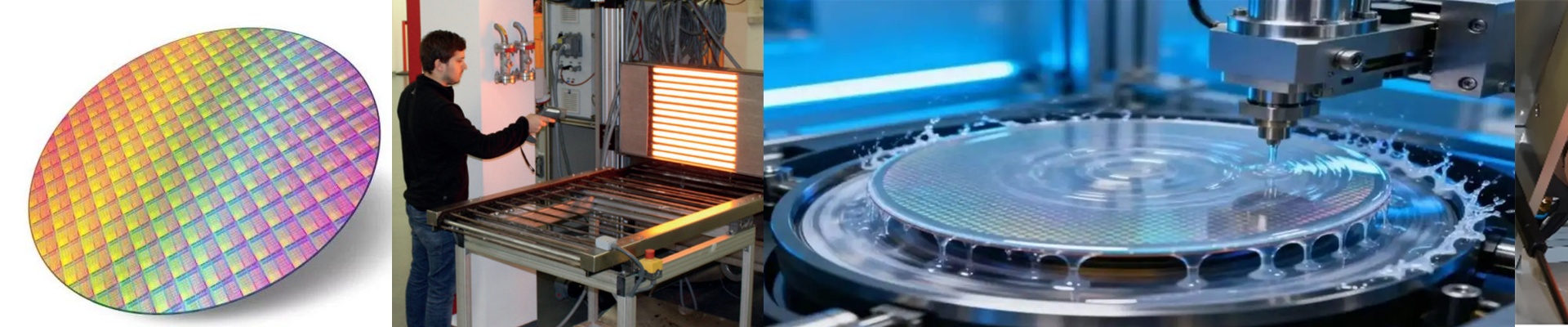
If you’ve ever had an IR lamp burst during a high-load run, you know it’s not just about the downtime. It’s a mess. Glass shards and tungsten filaments raining down on your wafers is basically a contamination disaster. We’ve spent a lot of time figuring out how to make sure that doesn’t happen to you.
Why the Aluminum Reflector Matters
We use high-purity aluminum reflectors for more than just directing heat. Think of them as a safety net. By tucking the lamp into a precision-machined aluminum trough, we’ve created a physical barrier. If a tube decides to give up the ghost, the trough catches most of the debris before it can wander. Plus, the way we’ve shaped these reflectors helps you get more “bang for your buck” with photons. You can hit your target temperatures while running the lamps at lower power. That’s a huge win because less heat stress on the quartz means the tubes simply last longer.
Keeping Things Clean
We also put protective shielding between the lamp and the wafer. It’s a simple fix that saves a lot of headaches. If a lamp pops, the shield catches the fragments. You can just swap the tube and get back to work instead of spending hours scrubbing the entire chamber. And we’re obsessive about the connection points. We’ve seen too many tubes burst early because of arc-over caused by loose fittings. To stop that, we use mounts that are secure and handle vibrations without budging.
The Trade-off
Now, there is a catch. Adding reflectors and shields adds mass to the system. You’ll probably notice a slight lag when you’re ramping up the heat compared to using bare lamps. You’ll need to tweak your PID tuning to handle that extra mass so you don’t overshoot your temperature. It’s a small price to pay for the peace of mind knowing your wafers are safe.