Getting Your Thermal Control Right for Biosensors
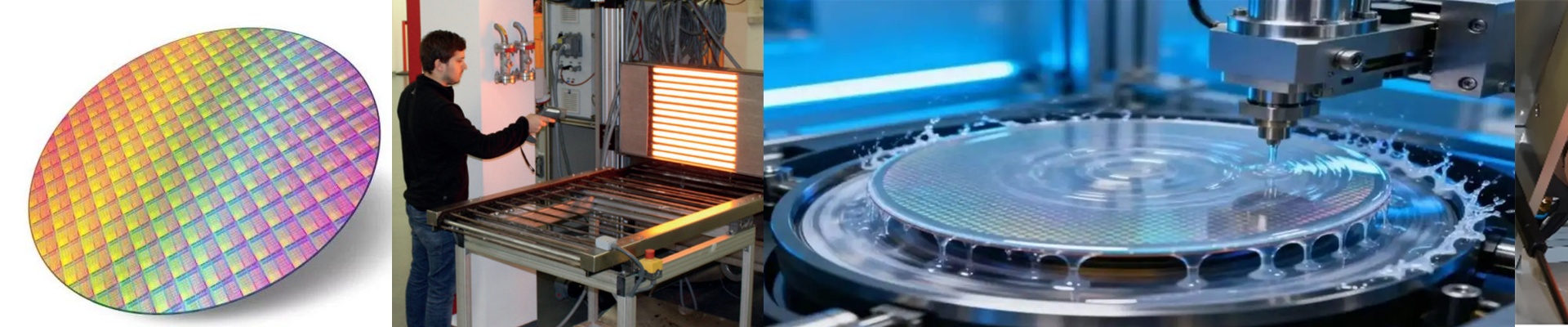
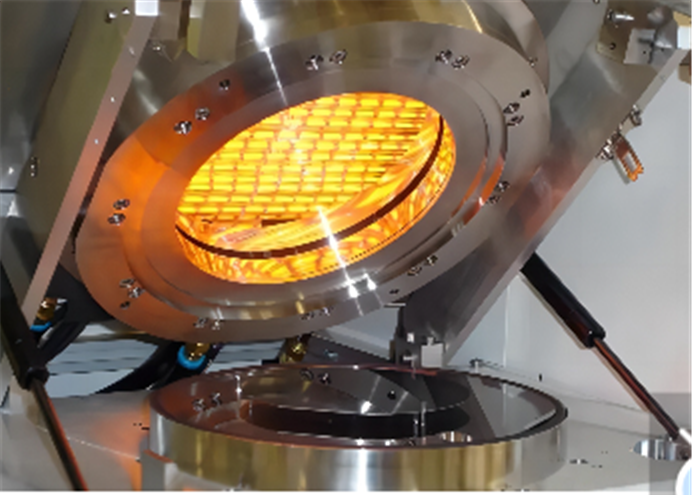
When you’re building biosensors, the temperature window is everything. If you’re off by just a bit, your proteins won’t bind or your substrate won’t cure. It’s a headache. That’s why we use high-intensity infrared (IR) lamps. Instead of waiting around for a convection oven to slowly heat up the air, IR hits the target directly. It’s fast. Really fast. And that speed is exactly what you need when you’re trying to run a modern, “smart” fab without the usual lag.
Making it Talk to Your Software
If you’re running a digital line, your heating system can’t just be “on” or “off.” You need to be able to tweak the power on the fly. We’ve set up our IR lamps to play nice with PID controllers and PLC systems using high-speed SSRs. This means you can actually see the heat flux in real-time and adjust the wattage right then and there. Here’s the real win: you can log the exact thermal dose for every single wafer. No more guessing why a batch failed. You’ll have the data to prove exactly what happened.
The Hardware Side of Things
For biosensor work, we usually stick with short-wave IR emitters. The reason is simple: short-wave radiation digs deeper into the substrate. You get the core of the sensor up to temperature without accidentally scorching the surface. Just make sure you check your bio-layer thickness before you set your power density. Now, high-wattage tubes are great for getting things done quickly, but there’s a catch. All that power creates a lot of heat inside the chassis. If you’re pushing these lamps to the limit, don’t skimp on the cooling fans and heat sinks. If the ambient temp climbs too high, your calibration will drift, and you’re back to square one.
Keeping it Running
We use standard connectors because nobody wants to spend hours on a swap-out. These are designed to be drop-in replacements so you can get back to work quickly. A couple of pro tips for maintenance:**Never touch the quartz envelopes with your bare hands.**The oils from your skin create tiny hotspots, and when the lamp hits high heat, that glass will crack. It’s a pain to fix. Also, keep those reflectors polished. It sounds like a chore, but if your reflectivity drops by even 10%, you’ll find yourself cranking up the power just to get the same result. That just kills your lamps faster. Keep them shiny, and they’ll last much longer.