Stop Losing Money to the Cold: A Realist’s Guide to Patio Heating
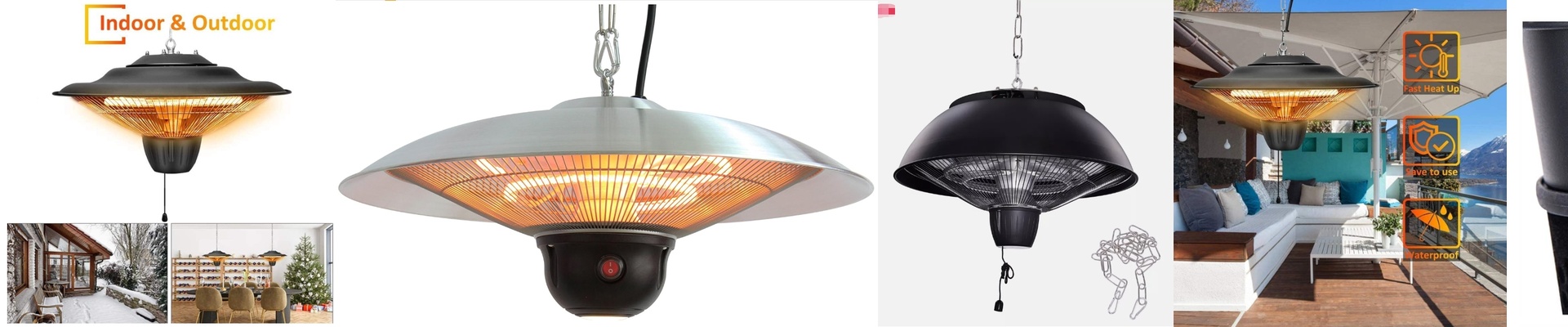
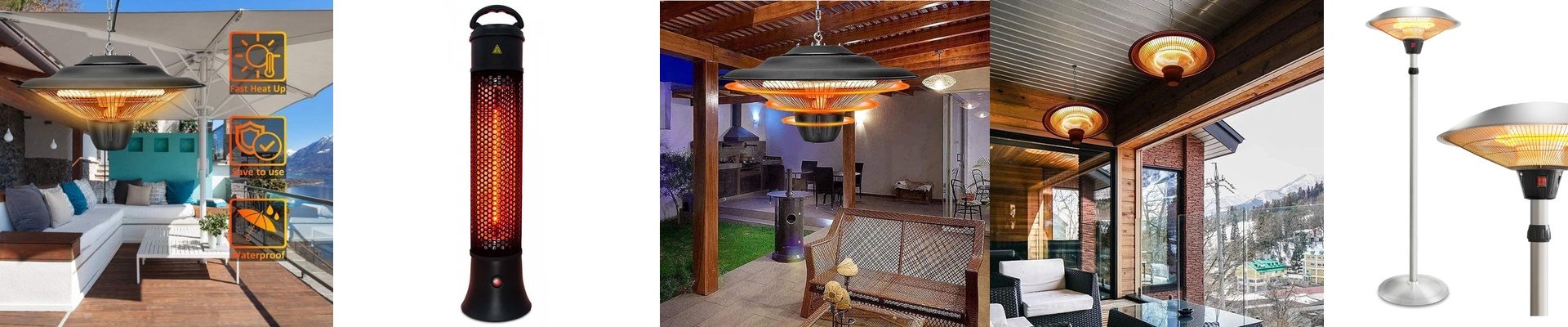
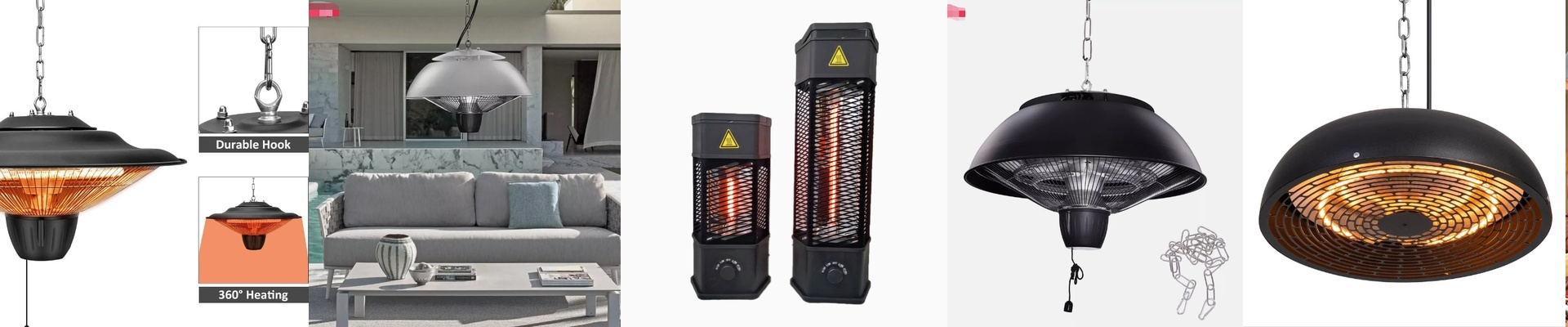
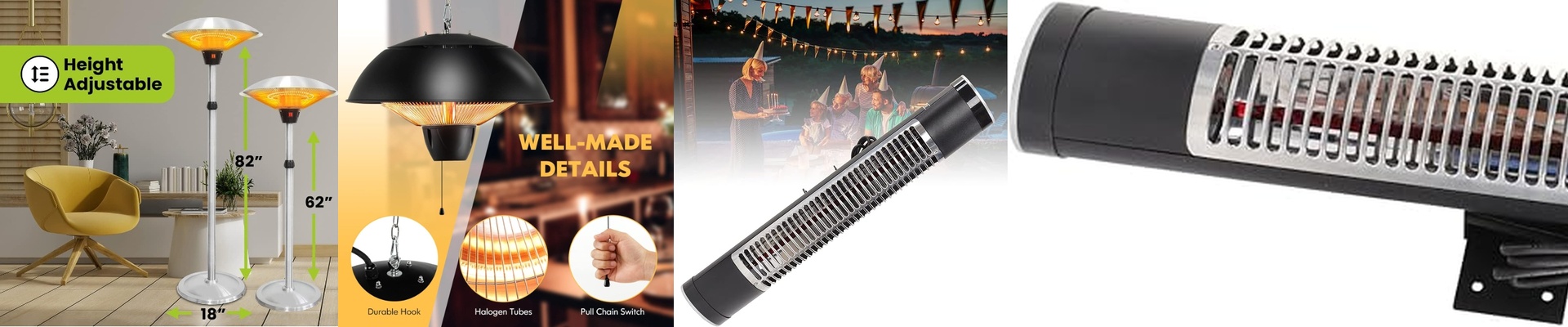
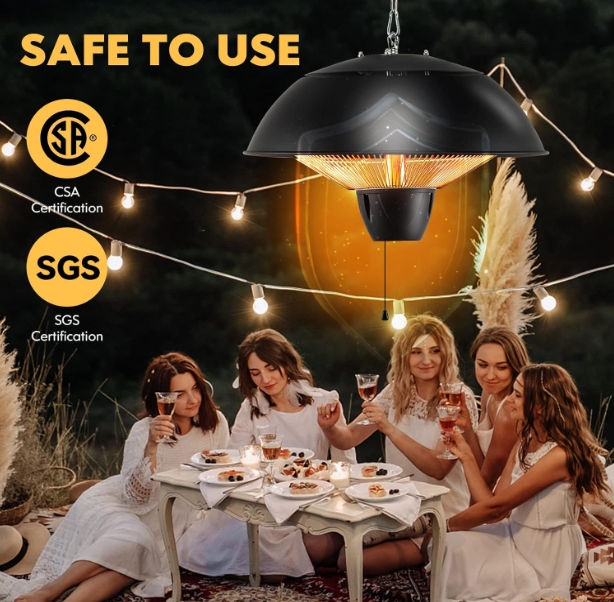
Nobody wants to sit on a freezing patio. When the temperature drops, your outdoor seats go empty, and your revenue drops right along with them. The problem is that standard heaters just try to warm the air. But in an open-air space? That heat just floats away. It’s like trying to fill a bucket with a hole in the bottom. That’s why we use high-ceiling infrared (IR) heaters. Instead of fighting the wind, these beams go straight for the guests and the furniture. It feels like sitting in the sun on a crisp October day.
Getting the Height Right
If you’re mounting heaters higher than 3 meters, you’ve got a challenge. Physics is working against you, and the heat starts to fade before it ever hits the table. To fix this, we use short-wave IR. It’s basically a more “aggressive” kind of heat that cuts through the air without getting absorbed or lost along the way. We also crank up the wattage. You need enough power to make sure the warmth actually reaches the person sitting in the chair. And if your restaurant is in a windier area, we bump that power even higher. Otherwise, a strong breeze will just strip the heat away before your guests even feel it.
The Sweet Spot for Your Bottom Line
Empty tables are expensive. A solid grid of IR heaters turns your patio into a year-round money maker. When people are warm, they linger. They order that extra bottle of wine or a dessert they weren’t planning on. But there’s a catch: if you go too heavy on the heat, your guests will start sweating. They’ll feel rushed and leave sooner. The trick is using dimmable controllers. That way, you can tweak the temperature on the fly based on how the weather is behaving that night.
The Boring (But Important) Stuff
Before you buy, check your electrical panel. These heaters pull a lot of power. If you’re adding these to an old patio, your current breakers might not be able to handle the load. There is nothing worse than having your entire heating system trip and shut down right in the middle of a Friday night dinner rush. You’ll probably need some new lines or a panel upgrade to keep things steady. One last tip: don’t just mount them flat. Tilt them about 15 degrees. It stops those annoying “hot spots” directly under the lamp and spreads the warmth out evenly across the whole table.