
Stop Turning Your Clean Room Trolleys Into Space Heaters
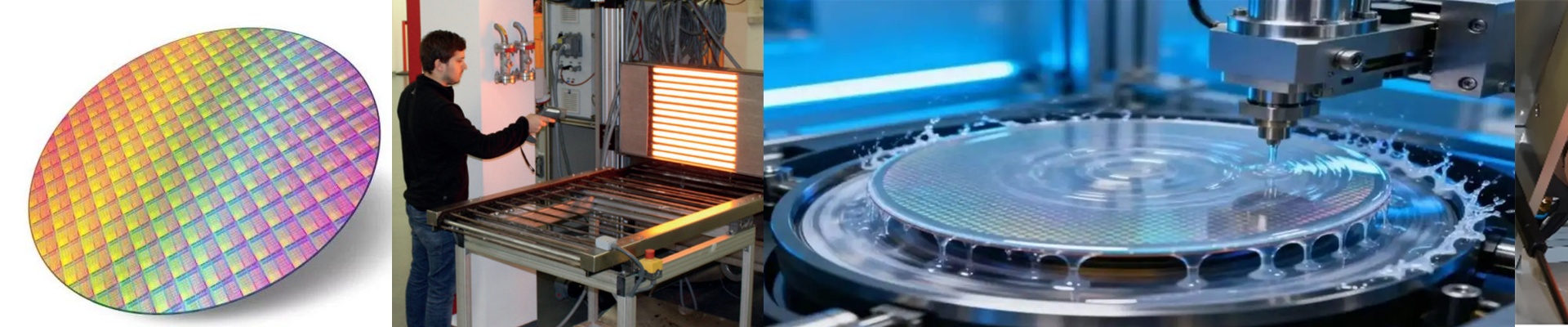
When you’re moving semiconductor wafers, keeping them at the right temperature is a delicate balance. For a long time, the go-to move was using convection heaters. The problem? They just heat up everything. You end up with a trolley that’s basically a giant radiator, and your operators are risking actual burns just by touching the outer walls. It’s a mess. So, we decided to stop fighting the air and start using directional infrared (IR) heating instead. How it actually works Think of it like a flashlight, but with heat. Instead of warming up all the air inside the box, IR lamps shoot electromagnetic radiation in a straight line. That energy doesn’t turn into heat until it actually hits the target. By getting the lamp placement just right and using reflectors, we can aim that heat directly at the payload. The internal walls don’t soak up wasted energy, and the chassis stays cool to the touch. You get the heat exactly where the wafer needs it, and nowhere else. The trade-offs (because nothing is perfect) We usually go with short-wave quartz lamps. They’re great because they hit temperature almost instantly. You just wire them into the trolley’s power rail and you’ve got a very tight thermal window. But here’s the catch: that heat is incredibly concentrated. If a reflector gets bumped out of alignment or you’re running the trolley without a payload, that energy is going to hit the interior lining. You have to make sure your internal cladding can handle that specific wavelength, otherwise, you’re looking at a warped frame. Why this makes life easier The best part? We can ditch the heavy, bulky insulation on the outside of the trolley. This keeps the footprint small, which is a huge win for clean room airflow. Plus, your team can actually handle the equipment without worrying about getting burned. It makes the whole build simpler and means you aren’t fighting your HVAC system to cool down the room just because you’re moving a few wafers.