Stop Throwing Away Your Patio Heaters
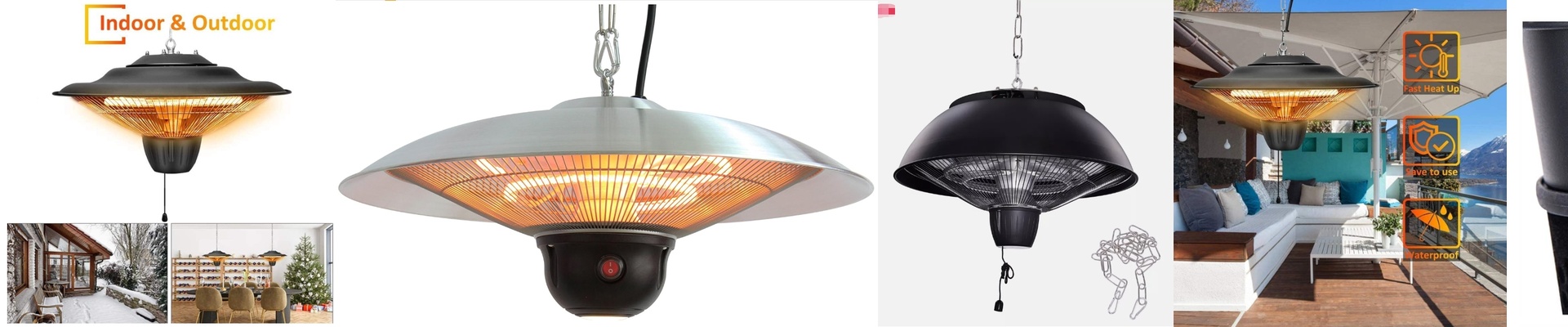
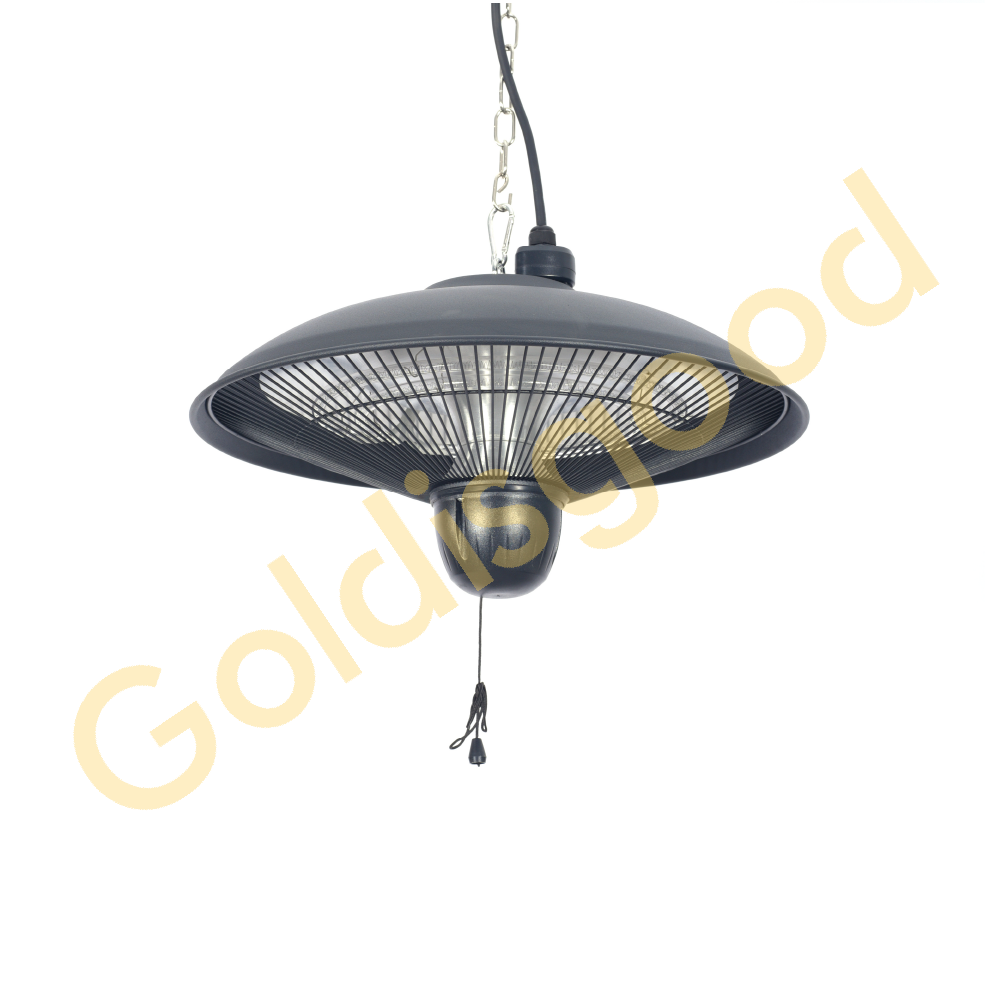
If you’ve ever worked with IP55-rated patio heaters, you know the drill. They’re built like tanks—sealed tight to keep out dust and rain—which is great until something actually breaks. Usually, when a heating tube finally gives up after a few years of hard work, it’s a disaster. You’re stuck stripping the entire chassis or, more often than not, just tossing the whole unit in the scrap heap because it’s too much of a pain to fix. We got tired of that. So, we changed how we build them.
The “Drop-In” Approach
We shifted to a modular design. Instead of soldering the heating elements directly into the power rail (which is a nightmare to undo), we used standardized connectors. Here’s how it works in the real world: you don’t have to play surgeon with the internal wiring. You just pull out the dead module, slide in a fresh one, and lock it down. It turns a grueling afternoon of troubleshooting into a five-minute job. No soldering irons, no custom fitting on-site, and way less swearing.
Keeping the Rain Out (Without the Headache)
Now, keeping a heater waterproof while making it easy to open is a bit of a balancing act. We solved this with gasketed access panels. You still get that heavy-duty outdoor protection, but you can actually get inside the machine without destroying the seal. Just a heads-up on the technical side: those infrared tubes get incredibly hot. If you decide to swap in a higher-spec tube, double-check your wiring gauge. If the wires are too thin for the extra current, they’ll overheat and melt the insulation. Not a good look.
Thinking Long-Term
In the industrial world, the only thing that really matters is uptime. By making the design modular, you can just keep a few spare tubes in the warehouse. You stop worrying about replacing entire banks of heaters and start just swapping out the parts that actually wear out. You keep the heavy-duty housing and the expensive chassis. You only replace the part that’s meant to be consumed. It’s just a smarter way to run things.