Why you should ditch those old bathroom heat lamps for infrared
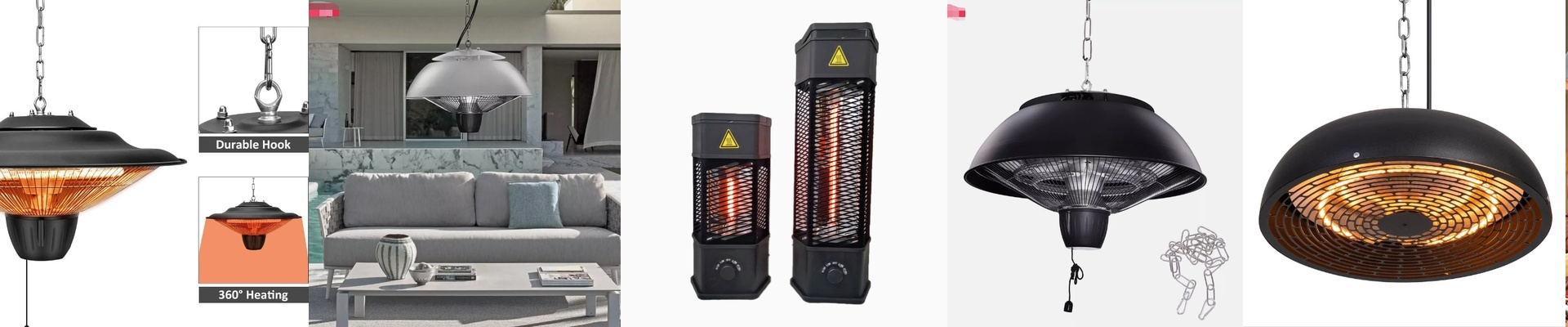
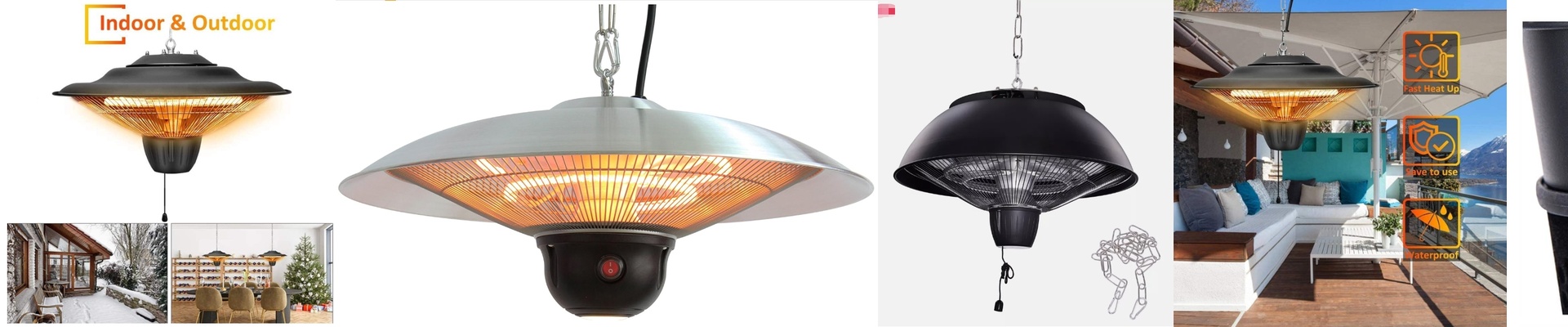
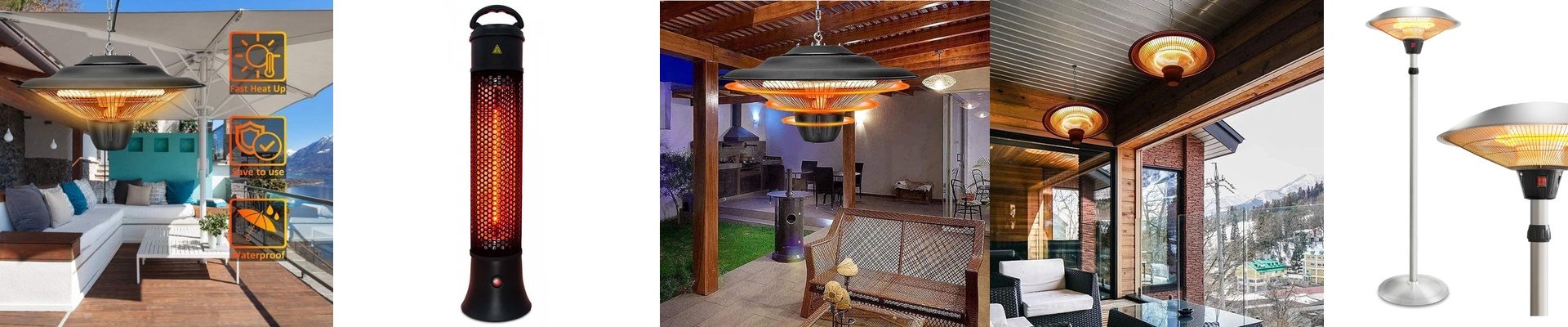
Let’s be honest: those old-school bathroom heat lamps are kind of a joke. They usually rely on cheap quartz tubes or basic elements that just can’t handle a steamy shower. One bad humid spell and they’re dead. That’s why we’ve been moving toward waterproof infrared heaters. They actually handle the moisture without shorting out or rusting away into nothing. The battle against steam Bathrooms are basically torture chambers for electronics. Between the steam and the occasional splash, water gets everywhere. Most standard heaters just aren’t built for it—condensation hits the terminals, and pop, there goes your heater. We build our infrared units with serious IP ratings. In plain English? Everything is sealed tight. It’s not just a plastic cover slapped on top; the whole system is airtight so water never even touches the guts of the machine. Warmth you can actually feel Here is the thing about traditional heaters: they try to warm up the air. But if you have a drafty bathroom or a window cracked open, that heat just vanishes. You’re left shivering anyway. Infrared is different. Instead of fighting the air, it sends warmth directly to your skin and the surfaces around you. It’s like stepping into a patch of sunlight. You don’t have to wait for the whole room to heat up. You flip the switch, and you feel it.Immediately. A few things to keep in mind If you’re planning to swap these into a renovation, don’t just wing it. These units pull more power than a simple light bulb. Check your wiring gauge first. If your wires are too thin for the wattage, they’ll overheat—and that’s a problem you don’t want. We use reinforced carbon fiber or quartz elements because they can handle the “thermal shock” of going from ice-cold to piping hot in seconds without cracking. Sure, they cost a bit more upfront than those cheap lamps from the hardware store. But think about it this way: would you rather pay a little more now, or spend your weekend replacing a burnt-out bulb every two years?