


Keeping Your CNT Heaters from Blowing Up
Making carbon nanotubes isn’t exactly a walk in the park. You’re dealing with extreme heat and high voltage, and there’s zero room for error. If a single piece of insulation fails, you’re not just looking at a ruined production run—you might actually fry your power supply. It’s a headache nobody wants.
Why we obsess over insulation
We don’t do “random sample” checks here. Every single heating element we build goes through a full voltage stress test before it even thinks about leaving our shop. Here’s why: a tiny, microscopic bubble in a ceramic coating or a sloppy seal on a lead wire can look fine to the naked eye. But once you crank up the power? That’s where the trouble starts. We push the heaters to find any leakage currents that shouldn’t be there. It’s better for us to find a flaw now than for you to deal with a nasty arc inside your vacuum chamber.
Dealing with the heat
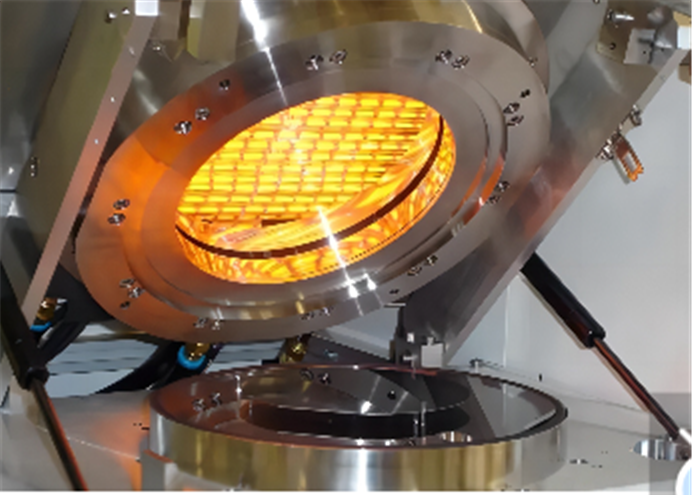
To get those catalysts reacting, you need massive heat density. The problem is that heat eats insulation for breakfast. Most materials just give up when things get that hot. We use specialized refractory materials that can handle the heat without losing their grip. But a word of advice: if you’re constantly pushing your heaters to their absolute limit, the insulation is going to wear out faster. Just make sure your cooling layout keeps those terminal ends away from the main heat zone. It’ll save you from a premature burnout.
Making it work in the real world
Once these heaters are in your rig, they have to survive more than just heat—they’re sitting in a bath of corrosive gases. We test everything to make sure the electrical barrier is solid and the grounding is tight. It takes the guesswork out of the equation. You can just flip the switch and get to work without worrying about your high-voltage controllers tripping and killing your progress.