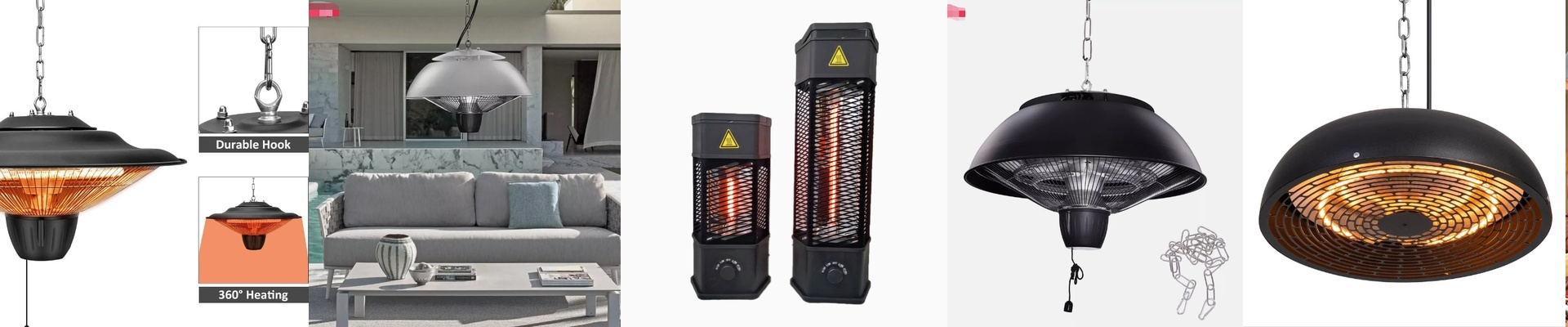
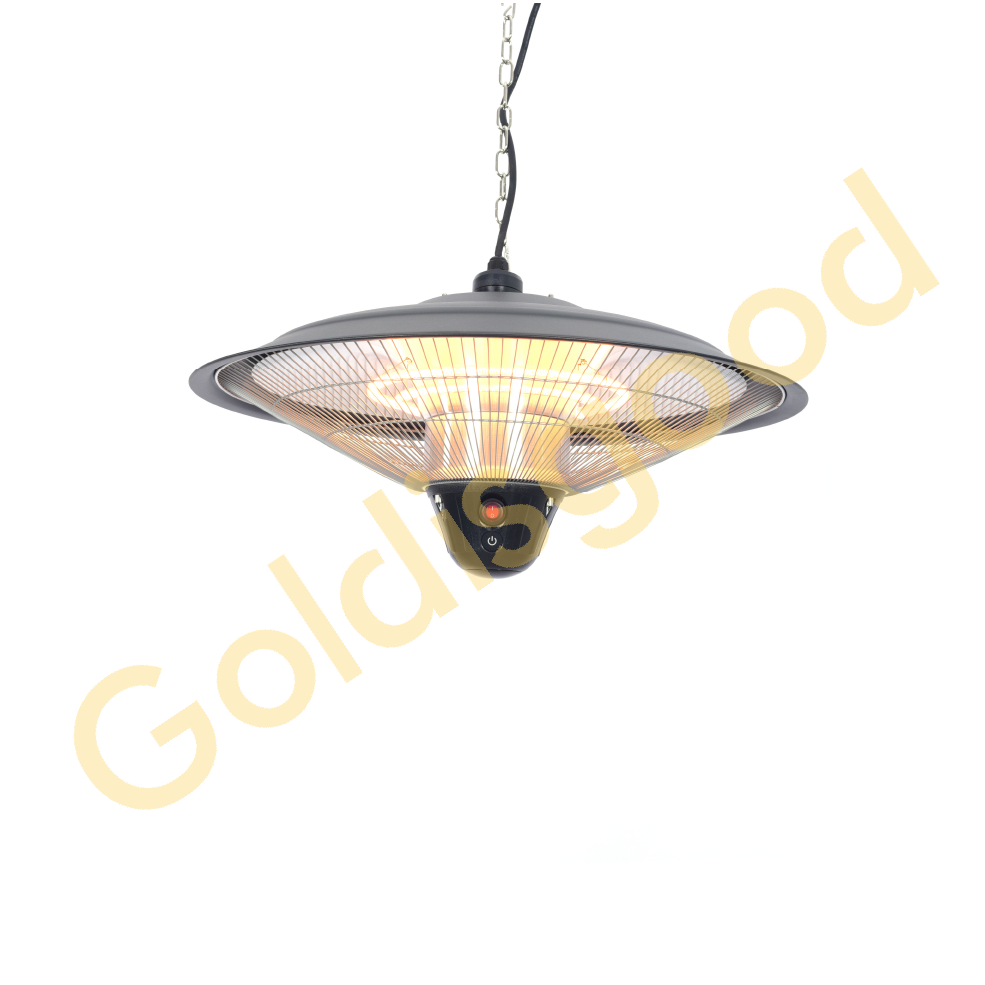
Why we put our bathroom lamps through a “steam torture test”
Let’s be honest: bathrooms are a nightmare for electronics. You’ve got thick steam, crazy humidity, and temperatures that swing from freezing to boiling in a matter of minutes. If we just shipped these lamps straight from the assembly line without testing them, they’d probably pop the second someone stepped into a hot shower. Nobody wants that.
The battle against moisture
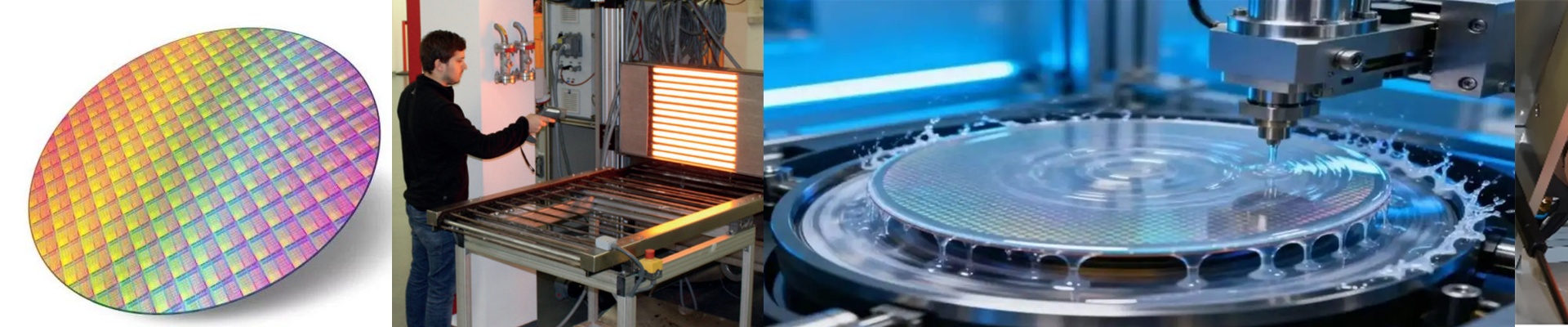
Most of these heaters use quartz glass tubes. Quartz is great for heat, but the real trouble is where the glass meets the metal electrodes. That seal is the weak spot. Here’s the thing: moisture loves to sneak into those seals. Once a little bit of water vapor touches the tungsten filament inside, it causes oxidation. That creates a “hot spot,” and—snap—the filament breaks. To stop this, we throw every batch into a damp-heat aging chamber. We crank the humidity up to 95% and mess with the temperature over and over. We’d much rather a lamp fail in our lab than in your customer’s ceiling.
Getting the seal just right
We use specific compounds to keep the gas locked in. A cheap seal might look perfect on a desk, but it’ll shrink or crack once it starts expanding and contracting from the heat. By simulating months of steam in just a few days, we can make sure the vacuum inside the tube actually stays put.
The tricky part: Rigidity vs. Shock
It’s a bit of a balancing act. If we make the seal too rigid to keep moisture out, the glass becomes brittle. Then, if a stray drop of cold water hits a hot lamp, the whole thing could shatter. We spend a lot of time tweaking the composition so the lamp is airtight but still tough enough to handle a sudden temperature drop. If you’ve ever had a lamp die within the first 100 hours, it’s almost always because someone skipped these aging tests. We don’t do that. It’s the only way to be sure the light stays on when the shower turns on.