

Making a 1500W Ceiling Heater That Actually Lasts
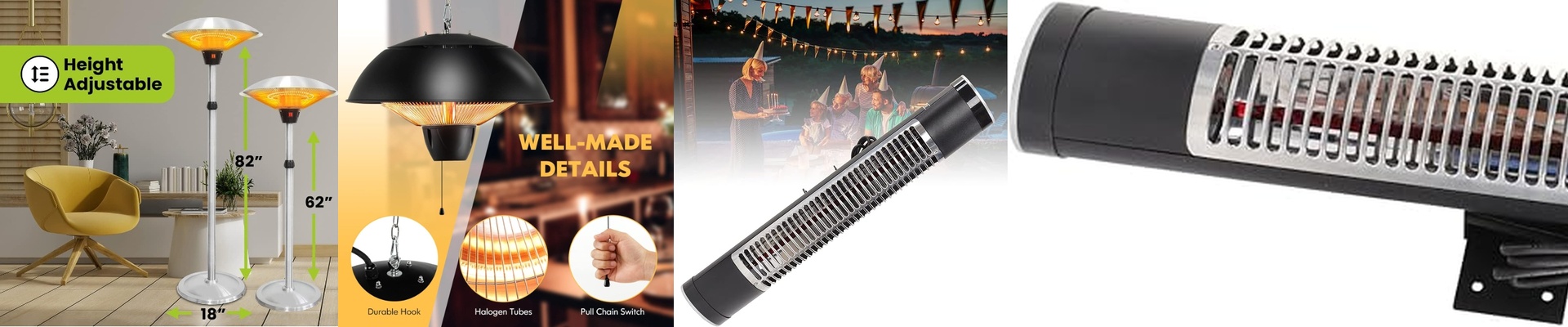
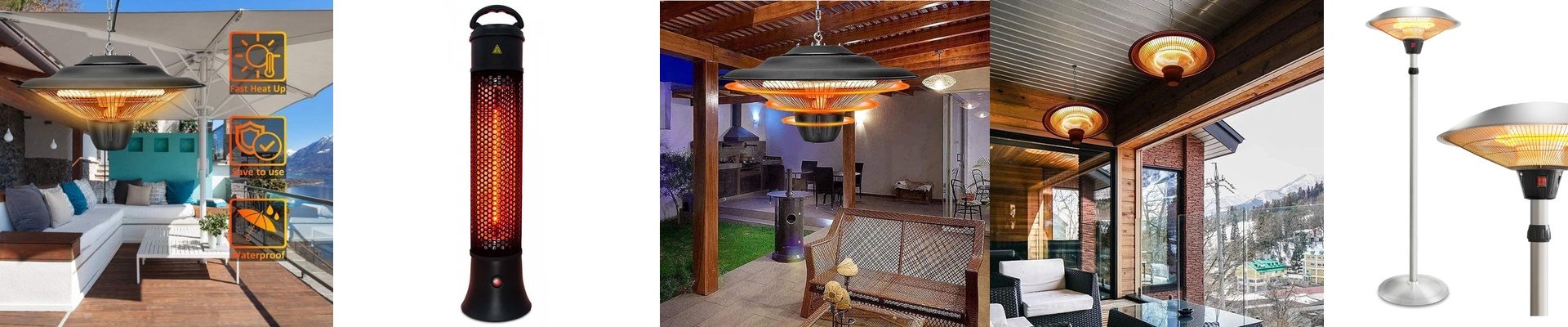
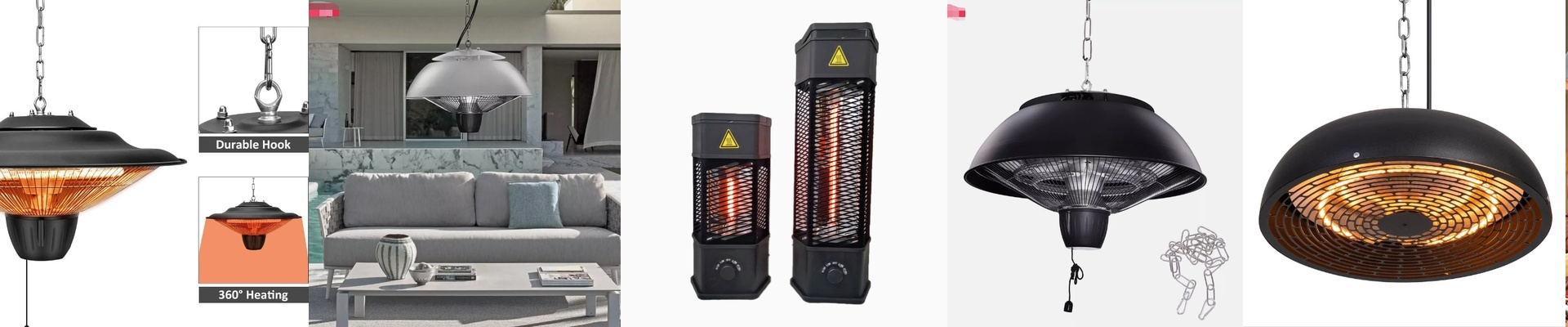
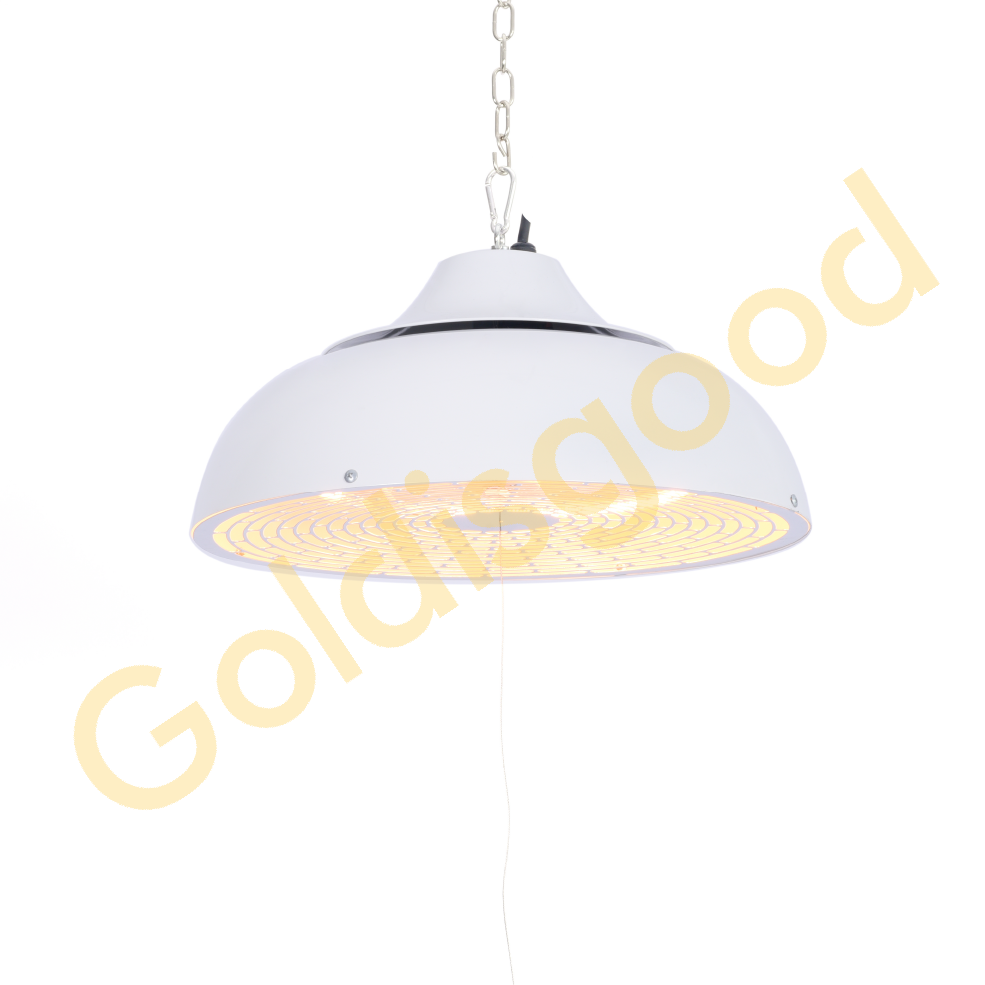
When you’re putting a heater in a gazebo or a steamy bathroom, you’re basically asking it to survive a war zone. We use shortwave infrared because it’s just smarter. Instead of trying to heat up all the air in the room—which is a losing battle if there’s a breeze or a vent—it beams heat directly onto you. You feel it instantly. The 1500W Balance We landed on 1500W for a reason. It’s the sweet spot. It’s powerful enough to actually keep you warm from the ceiling, but it won’t trip your circuit breaker the second you flip the switch. But here’s the tricky part: cramming that much power into a small box creates a lot of internal heat. If we don’t get the airflow and housing right, the wiring could melt or the plastic could warp. Not exactly the vibe you want in your home. Fighting the Damp Moisture and high voltage? That’s a recipe for disaster. We don’t just “check a box” for quality control. We put these units through a brutal aging process. We blast them with steam and condensation for days to see exactly where the seals give up. Because if a tiny bit of moisture gets into that lamp housing, the filament burns out or the whole thing shorts. Our process is simple: we test the seals until they leak, then we go back and fix them. Then we do it again. The Honest Truth Look, nothing is indestructible. The quartz tubes are the heart of the heater, but they’re also the most fragile part. If you give the unit a hard knock, the glass can crack. Once that vacuum seal is gone, the filament dies almost instantly. That’s why we’re obsessive about the mounting brackets—if the unit vibrates or wobbles, it’s asking for trouble. We build these things to take a beating from the elements. We focus on the seals and the heat cycles so that when you turn it on in a damp gazebo or a foggy bathroom, it just works. No surprises.