

Keeping Your Bathroom IR Heaters from Becoming a Hazard
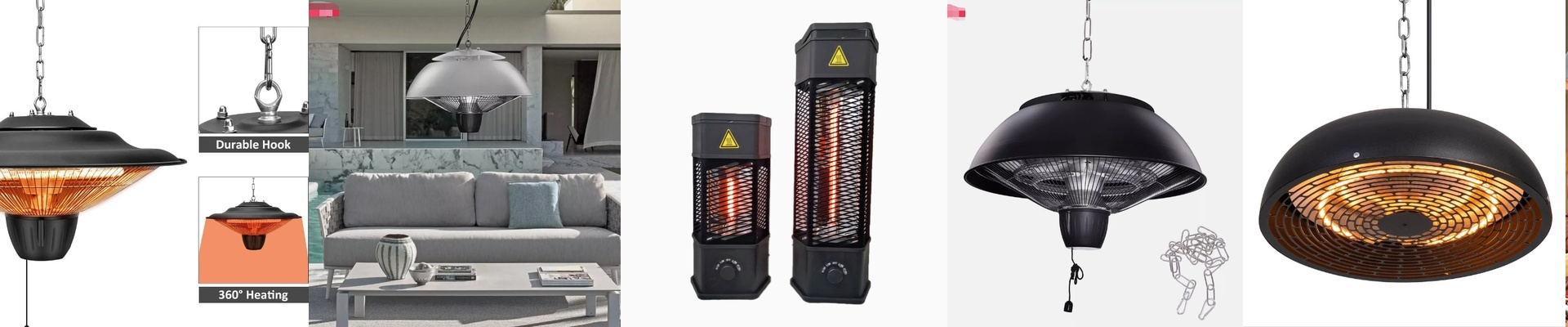
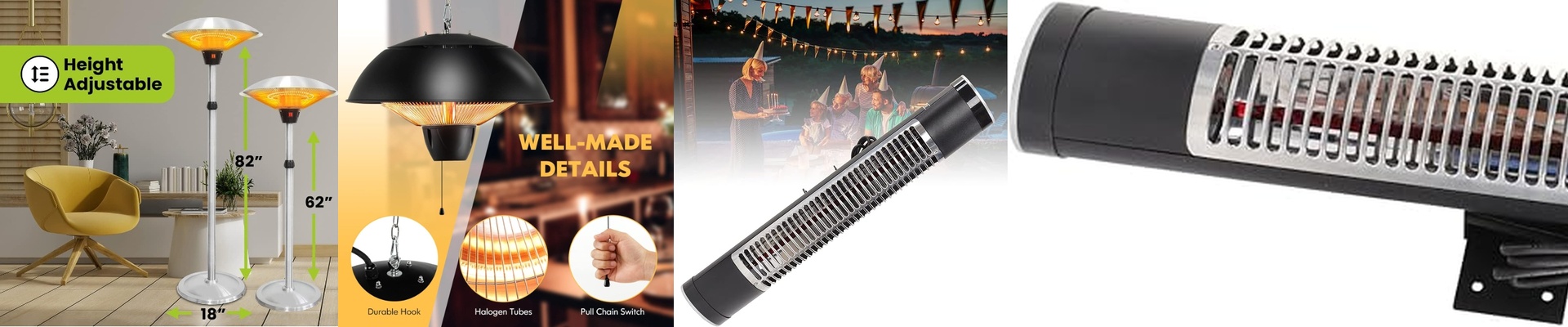
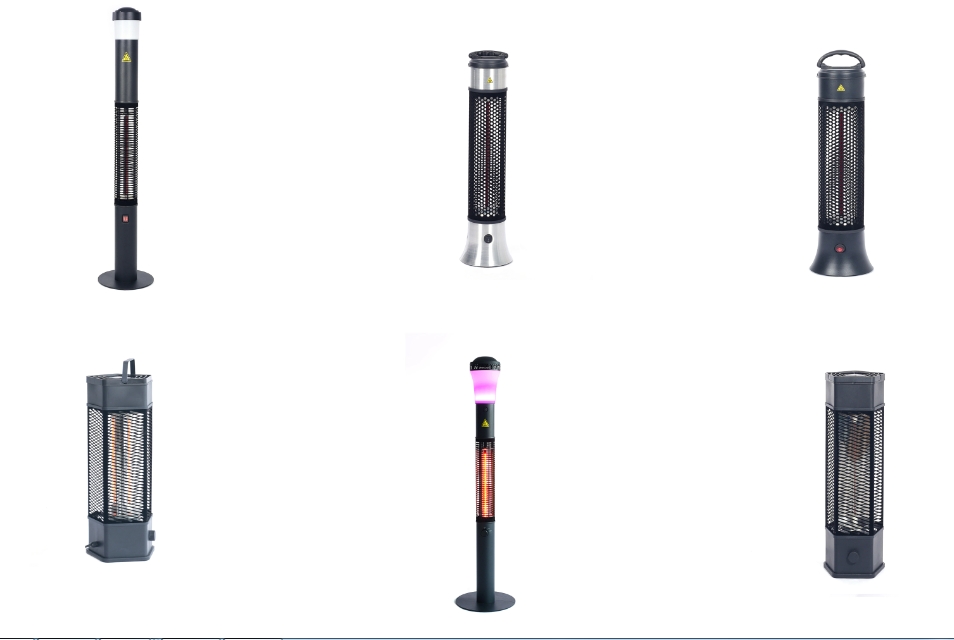
Putting infrared heat lamps in a bathroom is a bit of a gamble if you aren’t careful. Between the steam and the occasional splash, you’re basically mixing water with high-voltage electricity. Standard housing just won’t cut it here. If you want to sleep soundly, you have to get the insulation between the live heating element and the outer frame exactly right. The battle against dampness Here’s the thing: water kills resistance. When steam settles on a lamp, it creates a little bridge that lets electricity leak where it shouldn’t. To stop that, we stick with high-grade quartz glass and really beef up the seals. The real danger zone is where the glass meets the metal end-cap. We use ceramic-to-metal seals there. Why? Because they stop moisture from “wicking” its way into the internal wiring. If that seal gives out, you’re looking at a tripped GFCI—or worse, a fixture frame that’s live and dangerous to touch. The gear you actually need You can’t just wing it with the enclosure. You need something IP44 rated or higher to keep the guts of the machine dry. We use silicone gaskets at every single entry point. It’s the only way to keep vapor out. And don’t even think about using standard wiring. The constant cycle of heating up and cooling down in a humid room will make cheap PVC crack. Once it cracks, moisture gets into the terminals, and that’s when things go south. Stick with high-temp, moisture-resistant PVC or Teflon. It lasts. The tricky part: Heat vs. Sealing It sounds like a good idea to seal everything airtight, right? Not exactly. Tight seals are great for safety, but they trap heat. If you seal a unit too tightly and pump 1000W into a small ceiling mount, you’ve basically built an oven. The internal wiring or the connectors can literally burn out because the heat has nowhere to go. You have to find a balance. You need a waterproof seal, but you also need a heat sink that can actually handle the load so you don’t melt your own gaskets. Just to be safe, always wire it up with a dedicated leakage current protector. It’s your safety net. If something fails, it shuts everything down before anyone gets hurt.