Why Your Bathroom Heater Actually Needs an IP65 Rating
Let’s be honest: most old-school bathroom heat lamps are kind of a joke. They aren’t really sealed, and in a steamy shower, that’s a recipe for disaster. Between the thick fog and the direct spray, cheap gear just can’t keep up. It shorts out. Simple as that. That’s why we’ve moved toward IP65-rated infrared heaters.
What’s the deal with IP65?
If you aren’t a tech nerd, “IP65” basically just means the thing is built like a tank against water. We use silicone gaskets and sealed cable entries so that water jets can hit it from any angle and nothing gets inside. Most basic heaters leak right at the junction box. In a wet bathroom, that’s where things go wrong. By keeping the moisture away from the wiring, you stop the corrosion that usually kills a cheap heater in a couple of seasons. It just lasts longer.
Infrared vs. the usual stuff
Think about a standard lamp. It heats the air. But air moves. You feel a draft, you get a chill, and you’re still shivering. Infrared is different. It’s more like standing in the sun. It sends out waves that hit your skin and the walls directly. You feel the warmth the second you flip the switch—no waiting around for the whole room to warm up. We use quartz tubes with special coatings to make sure the heat actually sinks into your skin, rather than just warming the air around you. It feels deeper. More comforting.
A few things to watch out for during install
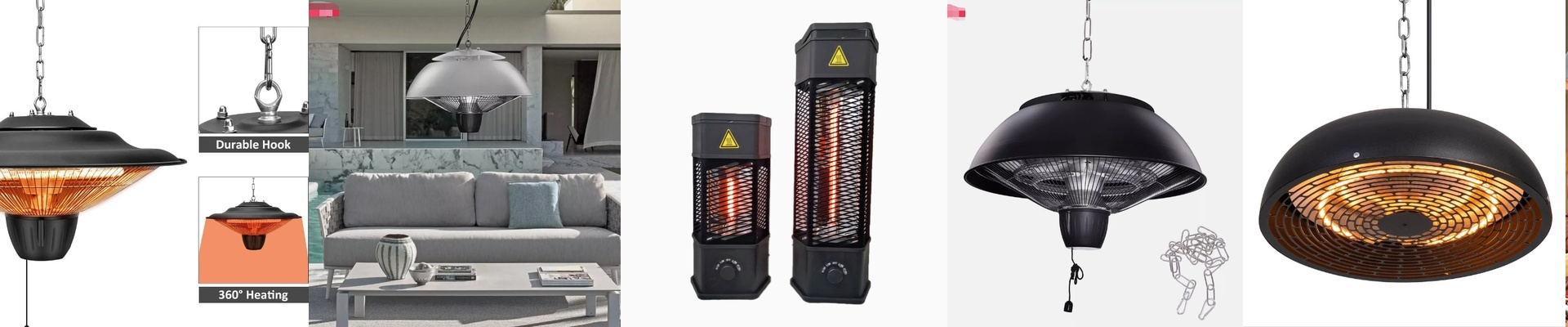
You can usually pop these into your existing ceiling grids without much fuss. But here’s the thing: don’t ignore the power draw. These infrared arrays pull a lot of current. If you don’t check your circuit breakers and wire gauges first, you’re going to trip the breaker the moment you turn it on. Not a great way to start a morning. Also, keep in mind that these units have some weight to them. Because we use sealed aluminum housings to keep the water out, they’re heavier than those plastic light-warmers from ten years ago. Just make sure your ceiling can handle the extra load. It’s a small trade-off for a heater that won’t die the first time it gets wet.