
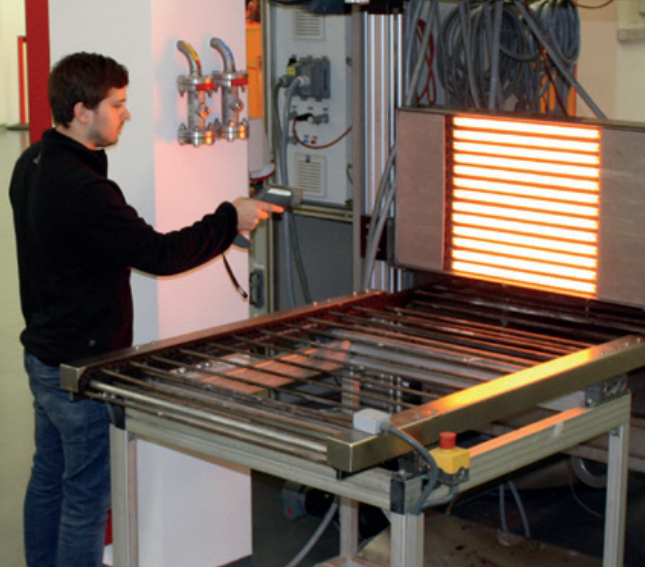
Why Gold-Coated Reflectors Actually Matter for Your Wafers
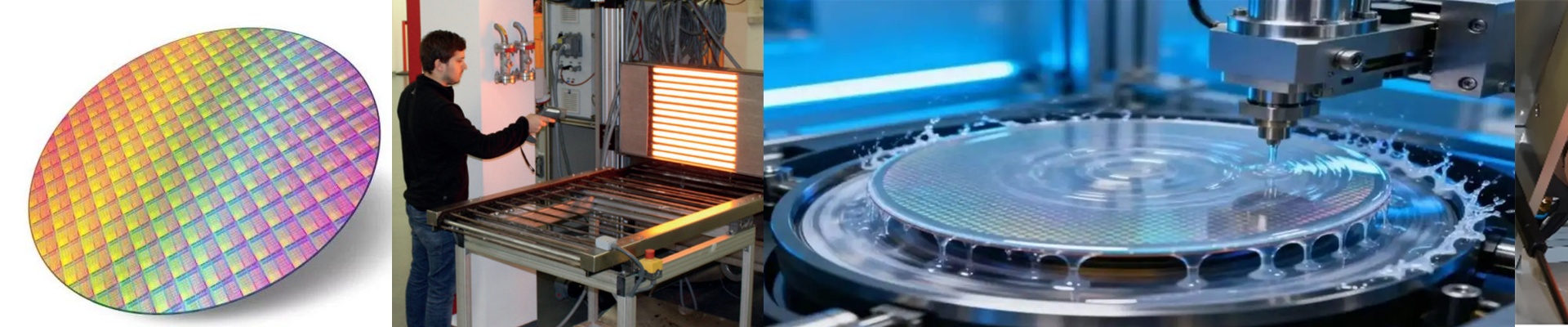
When you’re drying silicon wafers, it’s not just about cranking up the heat. It’s about where that heat actually goes. Most people start with aluminum reflectors, but the problem is they soak up too much energy. It’s wasteful. That’s why we lean on gold-coated tech—it just pushes more energy exactly where it needs to be. The secret is in the light. Gold is incredible at bouncing infrared light back. Way better than aluminum or polished steel. When you add that thin layer of gold, you stop the energy from leaking. More watts hit the wafer, and less heat bleeds into the machine chassis. It keeps your setup tight and efficient. But here’s the thing: all that concentrated energy can be a double-edged sword. Since the heat is so focused, you have to watch out for hot spots. If you just blast the wafers without a plan, you’re going to warp them. It’s a quick way to ruin a batch. To avoid that, you really need a PID-based digital controller. It lets you tweak the power in real-time so the thermal profile stays smooth and steady. Now, let’s be honest about the cost. Gold isn’t a magic wand, and it isn’t cheap. You’re paying a premium upfront compared to aluminum. And you have to be careful. Gold is soft. If your maintenance team goes in there with abrasive scrubbing pads, they’ll scratch the coating right off. Once that happens, your reflectivity tanks. Stick to non-abrasive cleaners if you want the system to actually perform the way it’s supposed to. One last tip: check your airflow. Use high-temp leads and make sure your cooling fans are humming along. If the housing gets too hot, the gold can degrade over time. Keep it cool, and it’ll last.