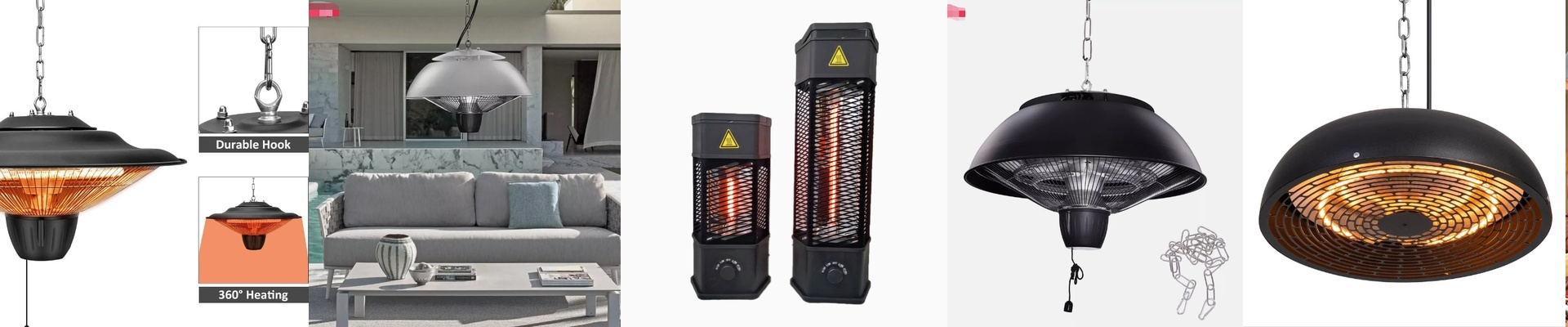
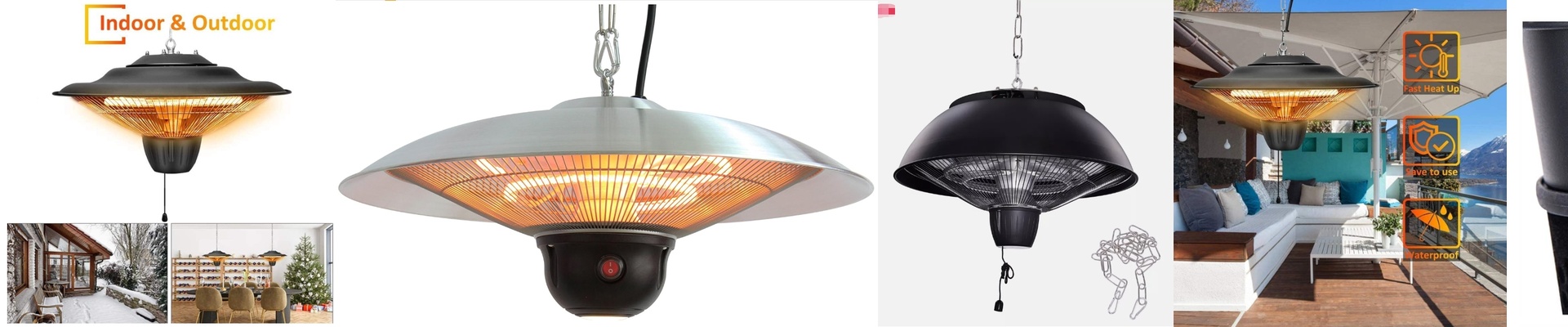
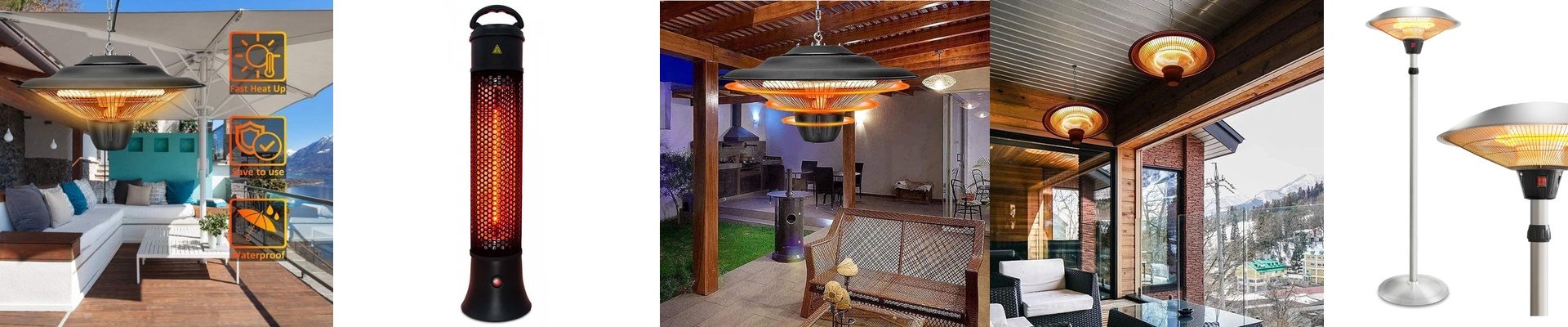
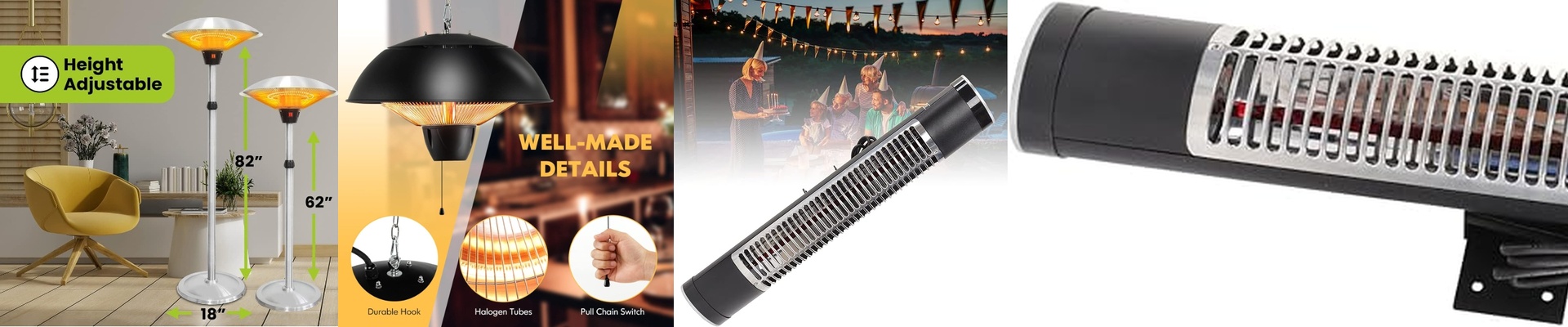
Why we put our bathroom heaters through the “steam torture” test
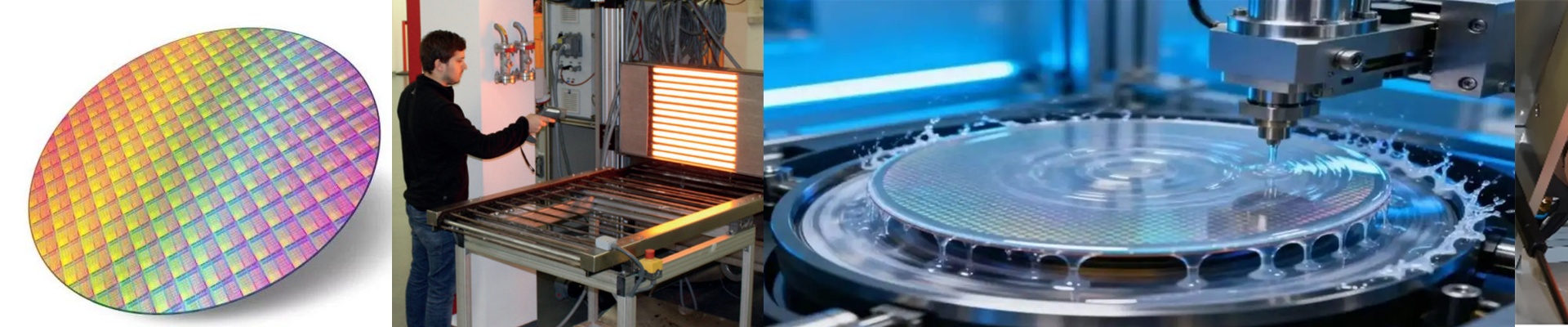
Let’s be honest: bathrooms are a nightmare for electronics. You’ve got thick steam, wild temperature swings, and constant humidity. It’s basically a sauna for your ceiling fixtures. If a seal is off by a millimeter or the quartz tube is cheap, the whole thing is going to burn out. We aren’t interested in guessing if a unit will last. That’s why we use damp-heat aging tests. We basically try to break the product in our lab so it doesn’t break in your customer’s house.
The battle between heat and moisture
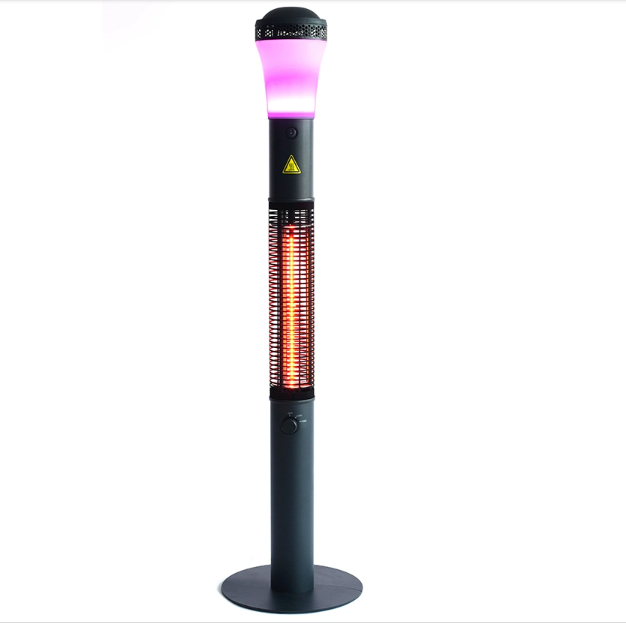
Most of these heaters rely on shortwave infrared lamps. They get incredibly hot. Now, imagine that scorching quartz tube hitting a cloud of moist bathroom air. You get condensation. If the housing isn’t sealed tight or the materials aren’t up to the task, that moisture creeps in. It eats away at the electrical contacts and kills the filament. To stop that, we shove these units into a controlled chamber and simulate years of steam exposure. We want to see exactly where the insulation gives up.
What we’re actually looking for
We cycle these heaters through waves of intense heat and saturated air. We’re hunting for three specific headaches: **Corroded contacts.**We check if the connectors are oxidizing. If they do, resistance goes up, things overheat, and the unit dies. **Leaky seals.**We make sure the recessed housing actually keeps the moisture away from the wiring. No leaks allowed. **Cloudy glass.**We push the quartz to see if it cracks or gets cloudy after being shocked by temperature changes over and over.
The trade-off
Here’s the catch: these tests take time. You can’t rush a 100-hour humidity soak. It means production takes a bit longer, but it beats the hell out of dealing with a massive wave of recalls. It’s the difference between a heater that lasts for years and one that shorts out after six months. One quick tip, though. These units pull a lot of power. Make sure your bathroom circuit is wired to handle the load. If the wiring is weak, you’ll be tripping the breaker regardless of how tough we built the lamp.