

Stop Wasting Your Heat: Why Gold-Coated Twin Tubes Actually Work
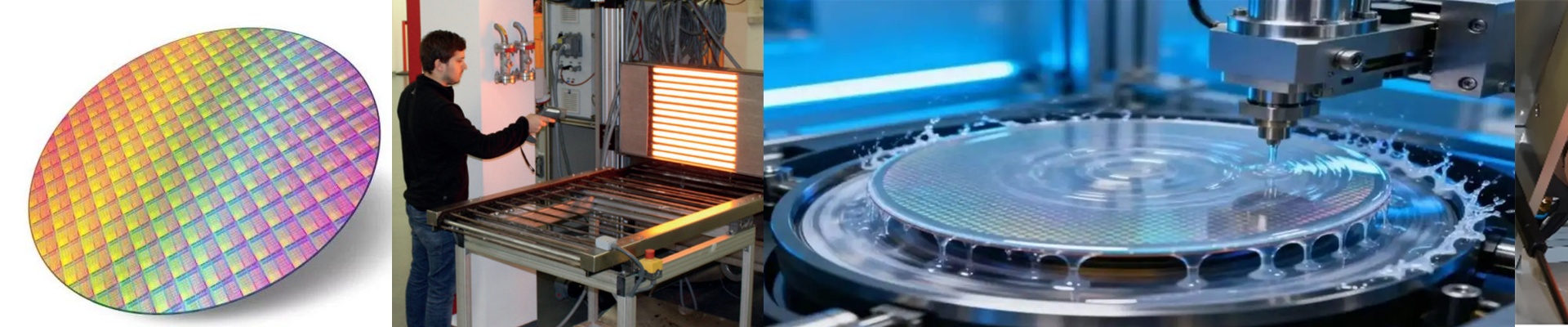
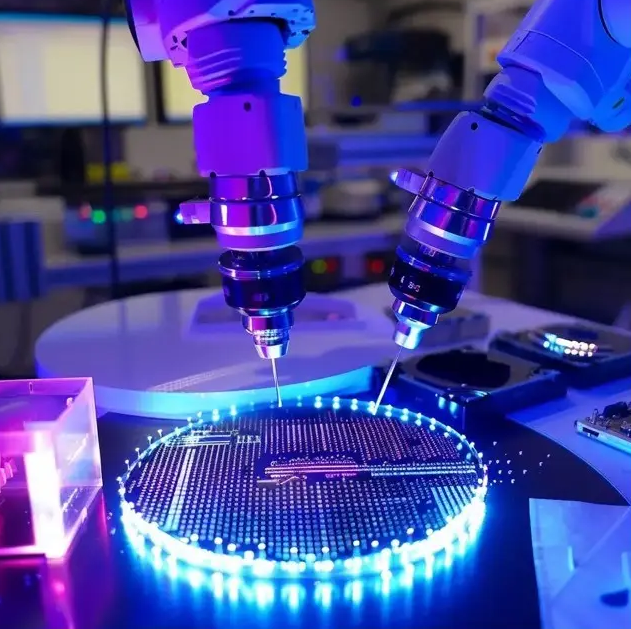
When you’re heating semiconductor wafers, every single watt matters. Here’s the problem with standard quartz lamps: they spray radiation everywhere. A huge chunk of your expensive energy just hits the chamber walls and disappears. It’s a waste. That’s why we use gold-coated twin tube lamps. The magic of gold It sounds fancy, but it’s basic physics. Gold reflects infrared light way better than aluminum or polished steel. By putting a thin layer of gold on the housing, we basically create a mirror that bounces all that heat right back onto the wafer. It focuses the energy. You get a tighter heat footprint and your ramp-up times get a lot faster. No more energy leaking into the machine frame. More power, less stress Then there’s the “twin tube” part. By doubling the filament surface area in the same small space, we can crank up the wattage without pushing a single filament to the breaking point. It means you get more heat density per inch without the constant fear of a premature burnout. One quick tip: we build these for high-voltage setups to keep the current draw under control. If you’re running a big array, just double-check that your power supplies can handle that initial cold-start surge. The real-world stuff These are designed to be drop-in replacements for your heating banks. They can handle the constant, rapid cycling you need for curing and baking without breaking a sweat. But look, there is a catch. Gold is picky. If your process uses corrosive gases or kicks up a lot of dust, that coating will take a hit. You’ll notice the reflective efficiency dipping over time. Keep your optics clean. If the coating starts to pit or peel, your heat distribution will get wonky, and you’ll end up with uneven heating across your wafers. Keep it clean, and these things will treat you right.