Stopping the Nightmare of Tube Bursts in Wafer Production
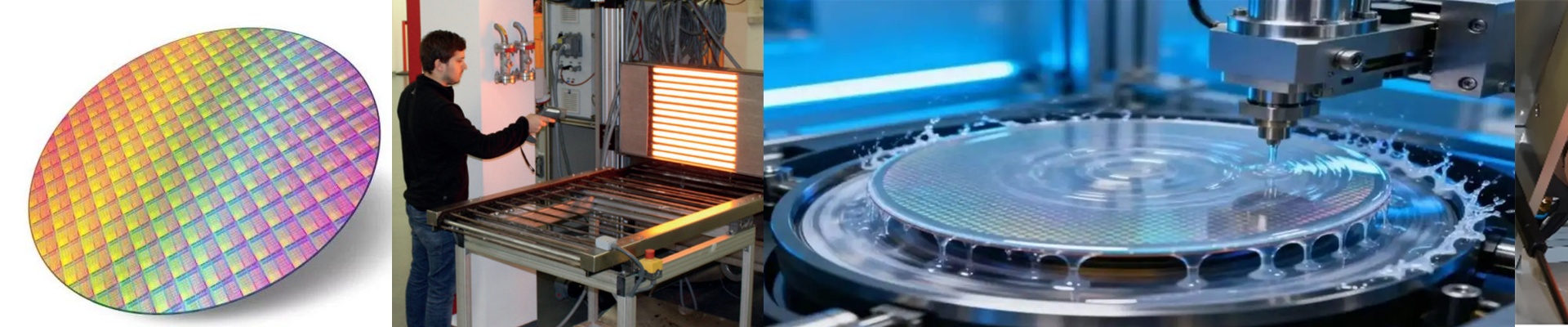
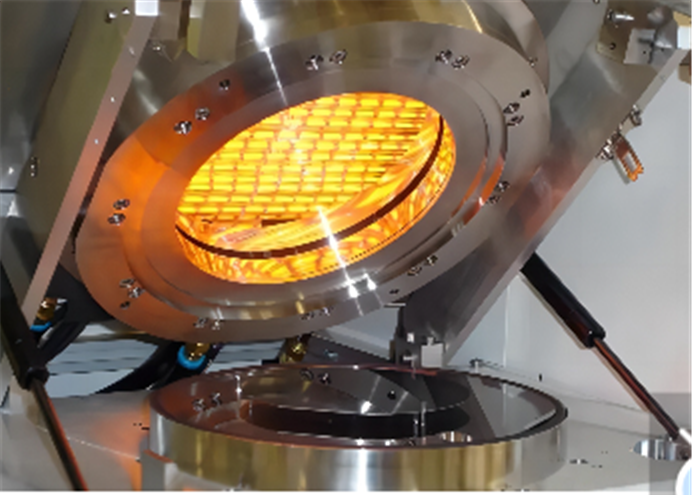
Let’s be honest: in a high-load semiconductor setup, a burst infrared lamp is more than just a “technical glitch.” It’s a disaster. When a quartz tube goes, you aren’t just looking at downtime. You’re looking at glass shards and halogen gas raining down on your wafers. One pop, and your entire batch is scrap. It’s a gut-wrenching way to lose a day’s work. That’s exactly why we build our stainless steel heater housings. We wanted a way to keep the mess contained. The safety net Think of our housing as a containment sleeve. We use high-grade stainless steel to put a solid physical wall between the lamp and your workpiece. If a lamp burns out or cracks because of the thermal stress, the housing catches everything. The debris stays put. It doesn’t migrate into your production zone, and your wafers stay clean. Dealing with the heat We chose stainless steel for a reason. It handles the heat well, but it doesn’t pull it away as fast as aluminum does. That’s a deliberate choice. It keeps the housing from warping when you’re pushing high-wattage loads. We’ve spent a lot of time tweaking the wall thickness so it’s sturdy enough to hold, but doesn’t block too much of that infrared transmission. One thing to keep in mind: heat soak is real. Since the housing traps some of that energy, you’ll want to make sure your cooling manifolds are up to the task. If your airflow is too weak, those connectors can get way too hot. Keeping things simple Nobody wants to tear down an entire machine just to fix one lamp. So, we made these housings easy to swap. You just pull the housing, pop in a new tube, and slide it back in. It’s quick. It keeps your footprint small and your maintenance windows even smaller. At the end of the day, we care more about keeping debris off your wafers than achieving perfect thermal transparency. It’s a trade-off, sure. But it’s a trade-off that saves you from flushing thousands of dollars of silicon down the drain.