
Why we put our heaters through hell in the humidity chamber
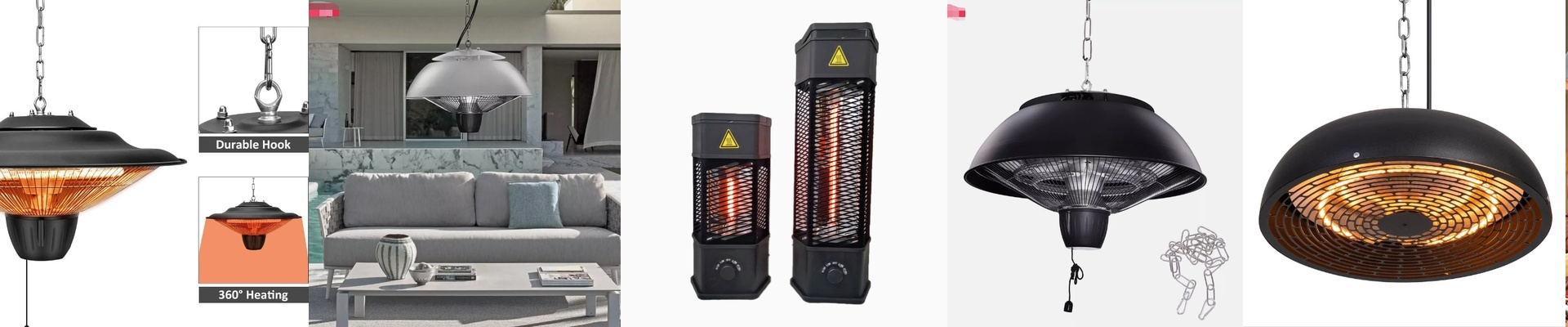
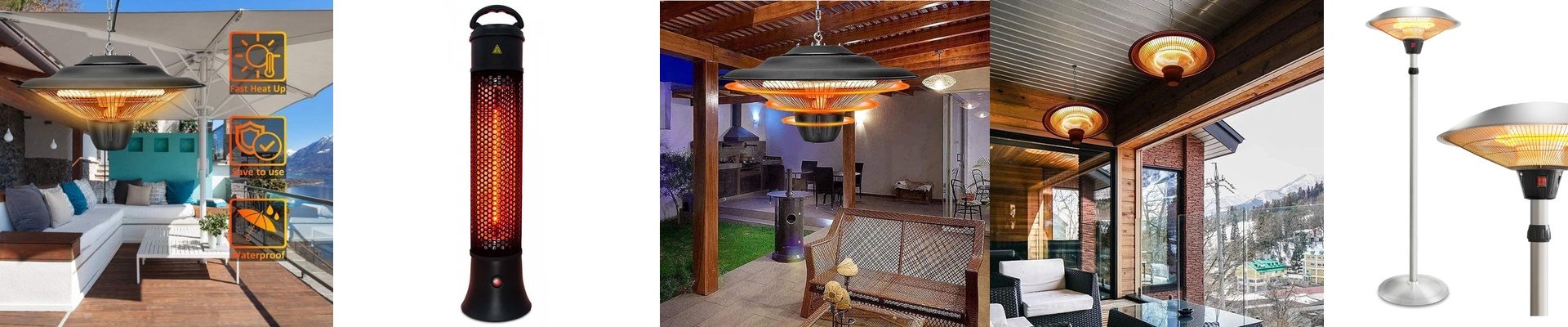
If you’re putting infrared heaters in a pergola or a bathroom, you’re basically asking the hardware to fight a constant war against moisture. Most companies just slap a “waterproof” label on a spec sheet and call it a day. We don’t do that. We take every batch and throw them into damp-heat aging tests. We want to find exactly where the build breaks before it ever shows up at your job site.
The messy reality of moisture
Think about a bathroom or an outdoor patio. You’ve got condensation, steam, and all sorts of airborne grit. Here’s the problem: when a quartz tube hits several hundred degrees, any little drop of water or salt deposit on the glass creates a “hot spot.” It’s a tiny spike in temperature that puts way too much stress on the glass. Eventually? It cracks. That’s why we obsess over the sealants and gaskets. If a seal leaks, moisture gets to the internal wiring. Then you’re looking at corrosion, a short circuit, or a total burnout. Not a great look.
Testing for the real world
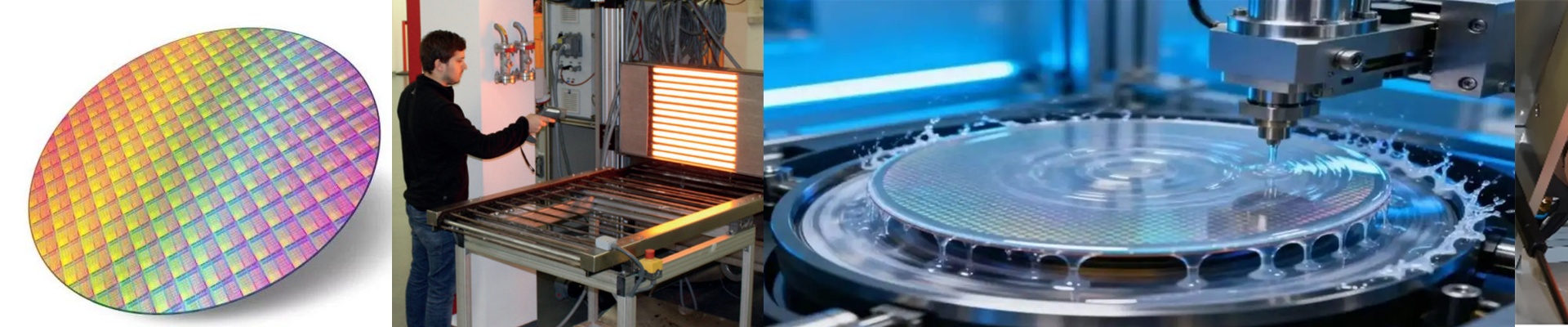
A basic IP rating is fine, but it doesn’t tell the whole story. A heater can pass a standard test and still die after six months of actual use. To fix that, we simulate years of humidity cycles in just a few weeks. We blast the lamps with high heat, then soak them in saturated humidity, over and over. It forces everything to expand and contract. We’re looking for gaskets that shrink or electrical contacts that start to rust. We make sure the lamp keeps its power and the housing doesn’t warp or get cloudy.
The balancing act
High-output lamps get incredibly hot. Really hot. We have to keep the water out, but we can’t just seal the unit in a concrete box. The housing needs room to breathe and expand. If the seal is too rigid, the glass tube will just snap the moment it heats up. It’s a bit of a tightrope walk between flexibility and waterproofing. The result is a unit that can take a beating from the weather. Just make sure your mounting brackets are beefy enough to handle the weight of the reinforced chassis.