
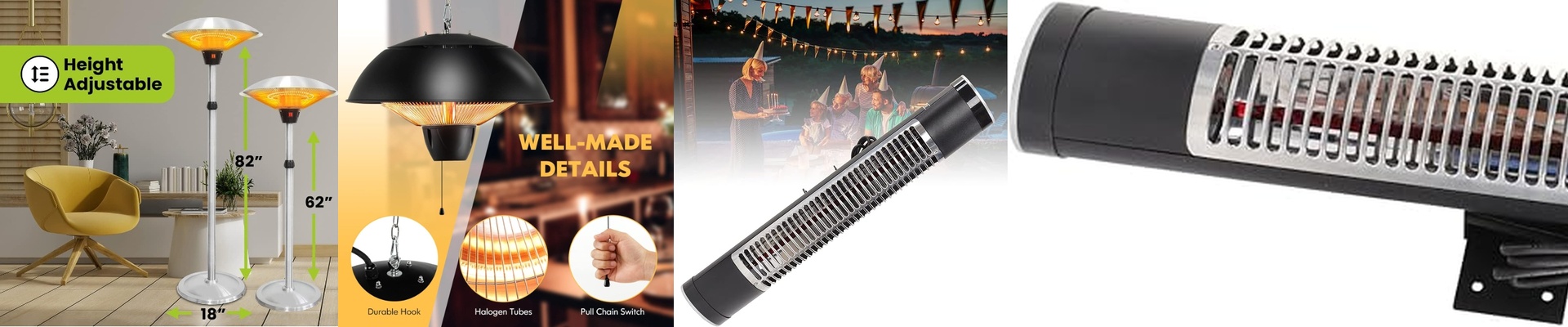
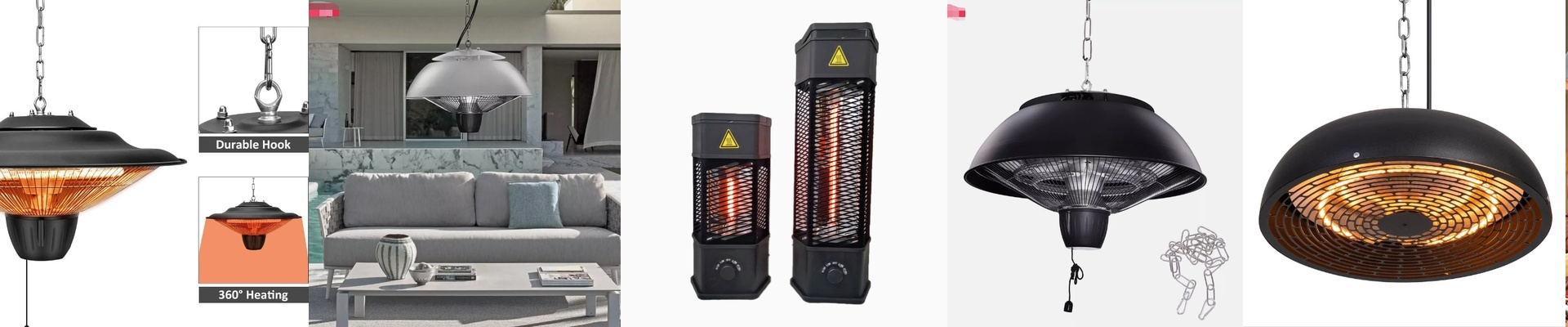

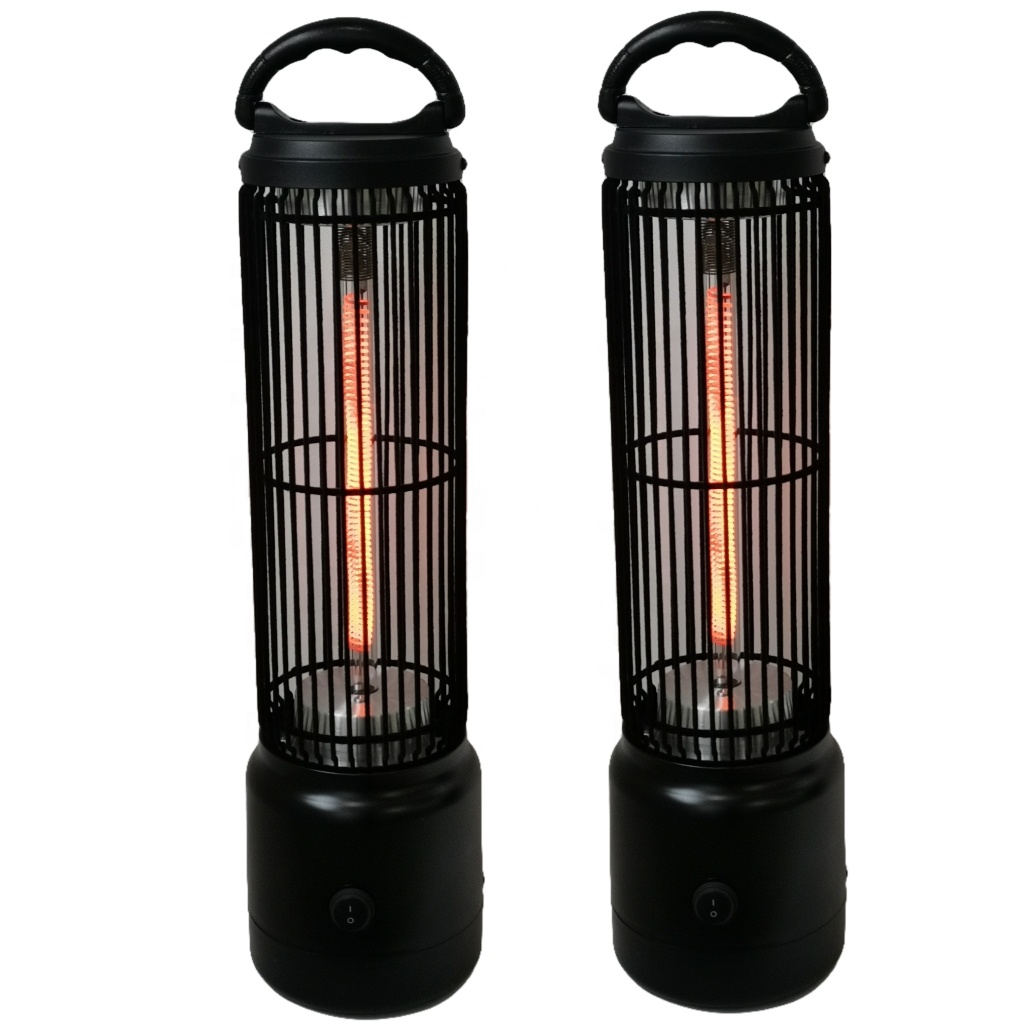
Why Your Infrared Heaters Actually Die (And How to Fix It)
Here’s a little secret about infrared towel rails: it’s rarely the heating element that gives up the ghost. Usually, the real culprit is the connection point. When these things are cranking out heat, the lead wires are basically in a war zone. If the seal isn’t perfect, oxygen and moisture sneak in. They chew away at the insulation until it gets brittle and starts cracking. Then comes the carbonization. And once that hits? You’ve got a dead short. Game over. The “Aging” Problem Most assembly lines just slap on some basic glue or a loose sleeve and call it a day. But in a high-heat environment, that stuff just doesn’t hold up. You’ve probably seen it—the plastic turns a nasty brown, gets crunchy, and eventually just flakes off. Once those conductors are naked, any little bit of vibration or heat expansion can bridge the gap between phases. Boom. How We Actually Seal Them We don’t just “glue” wires together. That’s a recipe for disaster. Instead, we use high-temp potting compounds and precision-crimped terminals that get vacuum-sealed. It creates a total airtight barrier. No air, no moisture, no oxidation. It’s a three-step process: First, a thermal shrink. Then, high-temp silicone potting. Finally, a reinforced outer jacket. This keeps the wire flexible. It needs to be able to breathe and expand as it heats up without pulling away from the seal. The Trade-off Now, there is a catch. A bulletproof seal isn’t microscopic. It takes up a bit more room. If you’re designing a super-compact rail, you have to leave enough breathing room for these reinforced seals. If you try to squeeze everything too tight, you’ll put mechanical stress on the quartz tube. And a stressed tube is a cracked tube. Next time you’re checking lead-wire specs, ask the manufacturer exactly how they handle their potting. If they can’t give you a straight answer, you’re probably looking at a product that’ll short out after a few hundred cycles.