
Don’t Let Your Clean Room Become a Fire Hazard
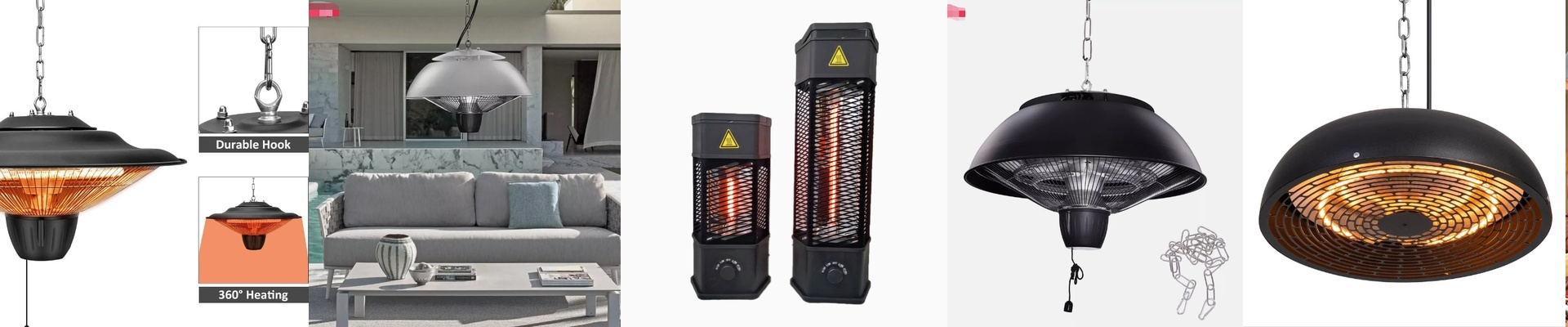
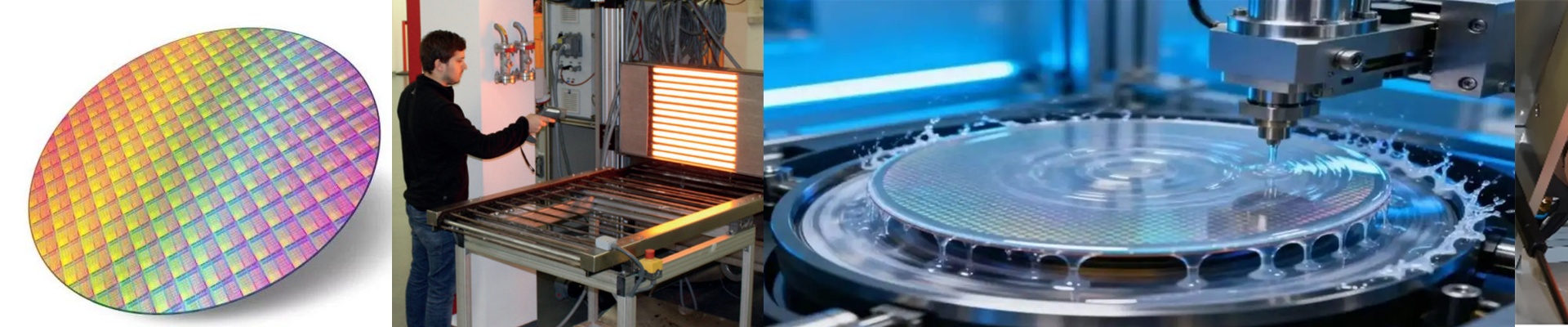
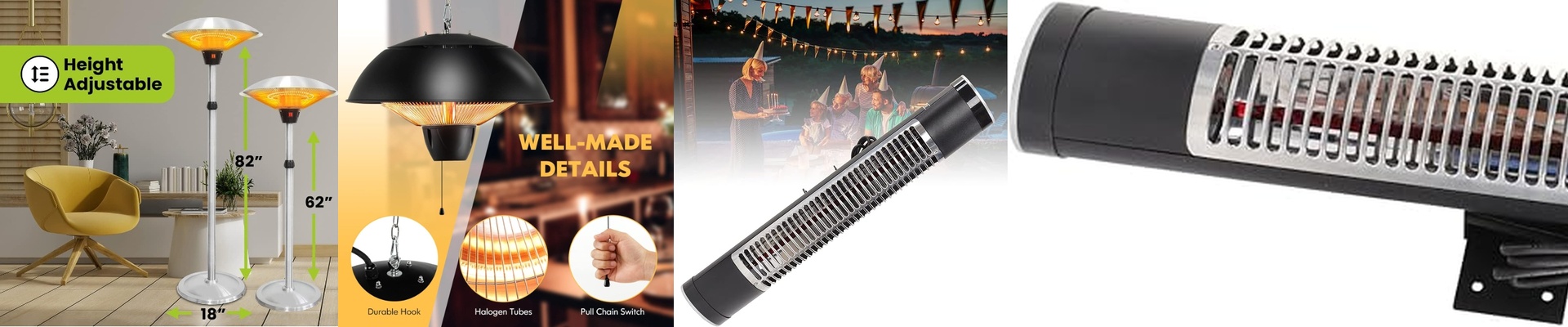
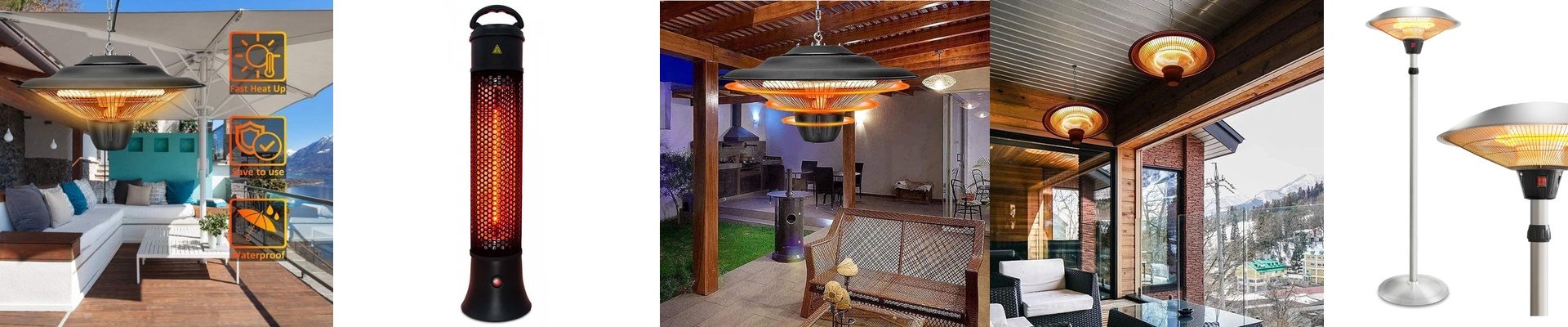
Here is the reality of using infrared lamps in a clean room: you’re usually working with flammable chemical cleaners. When you mix volatile vapors with high-heat elements in one small space, a standard lamp isn’t just a tool—it’s a risk. We solve this by wrapping the whole thing in a protective shell. The secret is in the seal. We don’t just toss in a basic quartz tube and call it a day. Instead, we encapsulate the IR element inside a high-strength, chemically inert glass or quartz sleeve. Think of it as a physical wall between the heating filament and the air around it. To make it airtight, we use specialized gaskets and flame-arresting connectors at the ends. This stops those chemical vapors from sneaking into the lamp housing and hitting a hot surface. Because if they do, things go south very quickly. Keeping things cool (where it counts). Stability is all about how you handle power and materials. We use high-purity quartz so the heat stays consistent from one end of the tube to the other. But you have to be smart about your wattage. If you pump too much power into a small bench area, the outer enclosure can get way too hot. If it hits the flash point of your solvents, you’ve got a problem. We spend a lot of time balancing that wattage to keep the exterior surface temperature safely below the danger zone. The trade-offs. Setting these up takes a bit of precision. You can’t just plug them in and walk away. All your connections need to be shielded and grounded, otherwise, a single static spark could be disastrous. Now, full disclosure: adding that protective layer does take a small bite out of the radiant efficiency. You aren’t getting the “raw” heat of a bare tube. You might find you need to leave your parts in a bit longer or nudge the temperature set-point up a notch to make up for that barrier. It’s a small price to pay for the peace of mind that your workbench isn’t going to ignite.