Why we stopped building “disposable” bathroom heaters
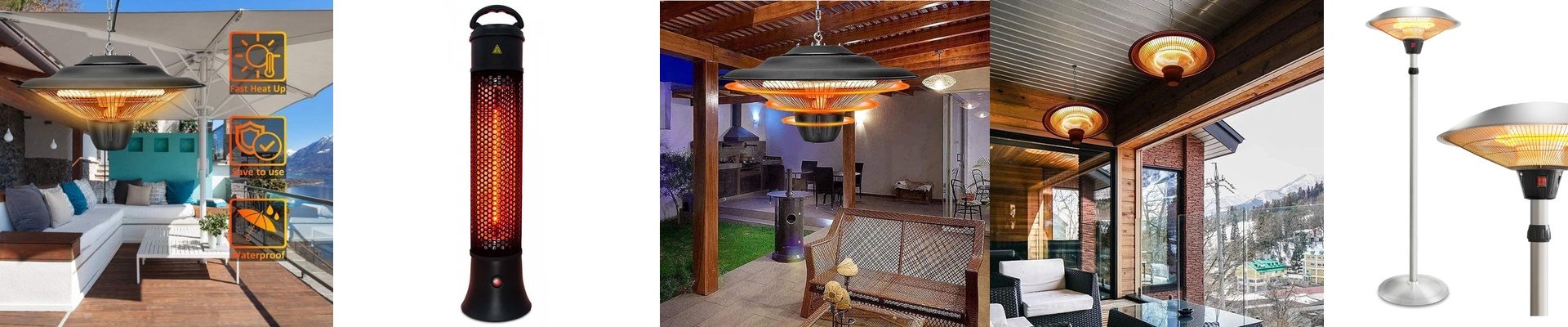
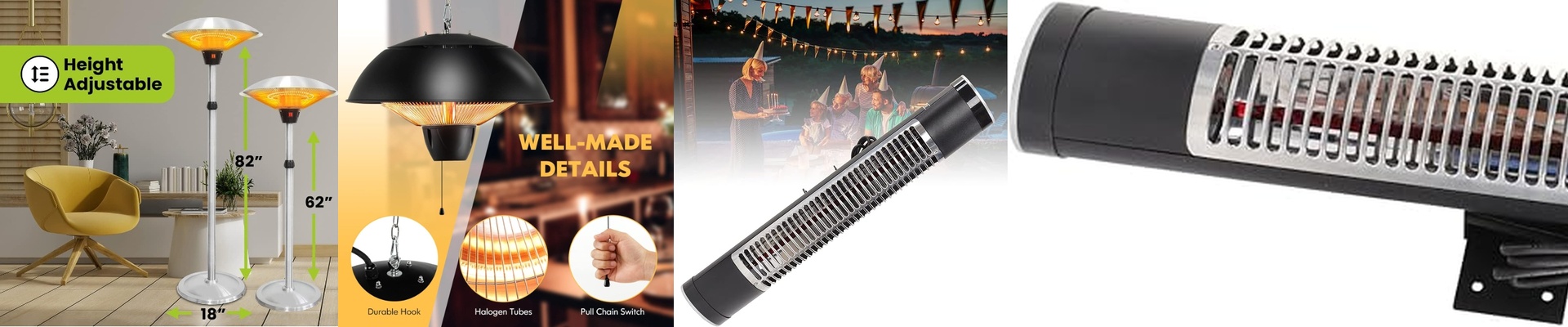
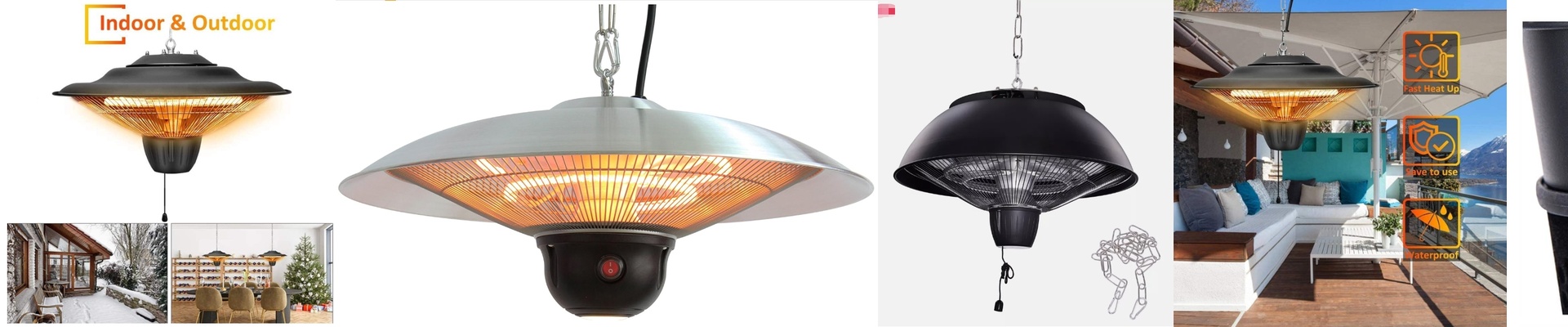
Let’s be honest: bathrooms are brutal on electronics. Between the steam, the humidity, and the constant splashes, most heaters are basically ticking time bombs. The worst part? Usually, if one tiny heating element burns out, the whole thing is trash. You can’t just fix a piece of it; you have to rip the entire chassis out of the wall and start over. It’s a pain and a waste of money. So, we decided to do things differently. The “Swap and Go” Approach Instead of one big, solid block of heating elements, we built ours using independent modules. Think of it like Lego. If a tube gives up the ghost after five years of heavy use, you don’t throw the heater in the landfill. You just pull out the dead module and pop in a new one. It turns a grueling afternoon of maintenance into a two-minute job. Dealing with the Steam Keeping water out of a device that’s designed to get incredibly hot is a tricky balancing act. We use IP-rated seals at all the connection points to keep moisture away from the electrical guts. But we also let the infrared tubes run hot on purpose. That heat helps evaporate any moisture clinging to the housing, which stops the metal frame from rusting or corroding over time. The Honest Truth About the Trade-offs Now, here is the catch. When you move from hard-wiring everything to using modular connectors, you’re technically adding more places where something could go wrong. We knew that. To fix it, we used high-temperature polymers for the sockets. They won’t melt or warp, even when the heater is cranking out max heat for hours. The Bottom Line At the end of the day, this is about making something that actually lasts. Instead of worrying about a full system failure, you just keep an eye on the wattage. When it starts to dip, you swap the tubes. It keeps the unit small, keeps the room warm, and means you aren’t replacing your entire bathroom fixture every few years.