Making Your Coop Smarter (Without Killing the Vibe)
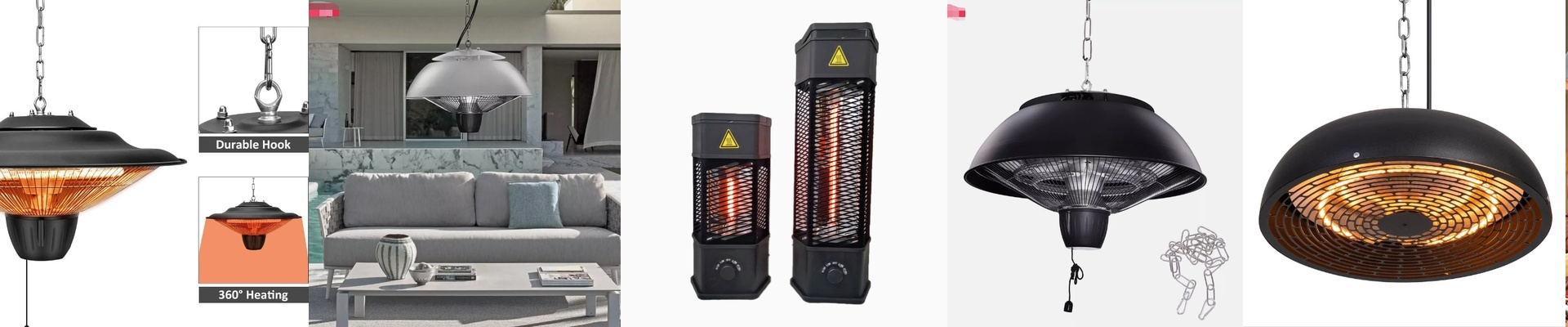
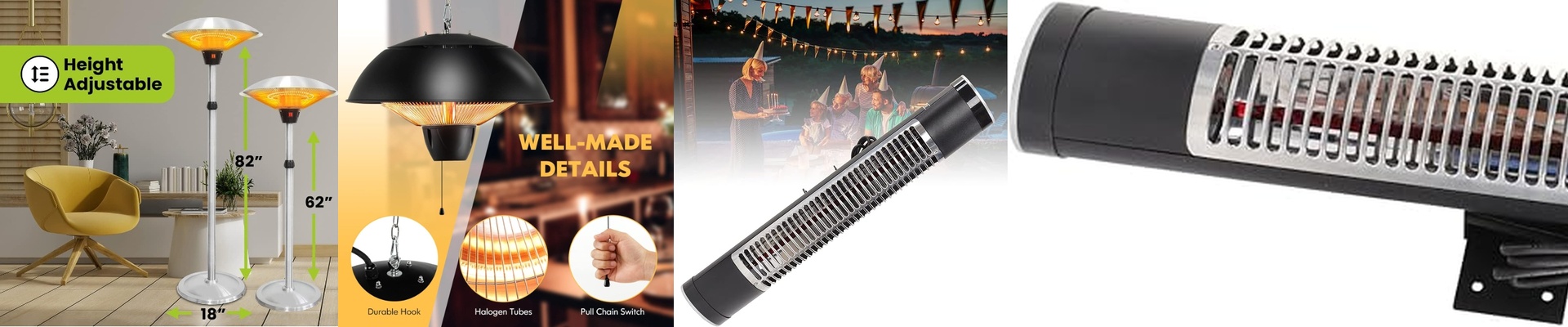
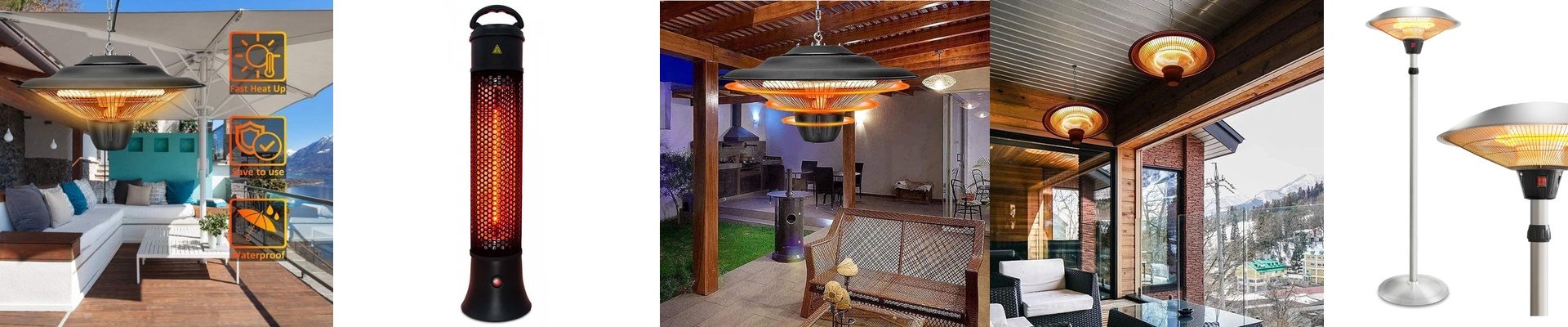
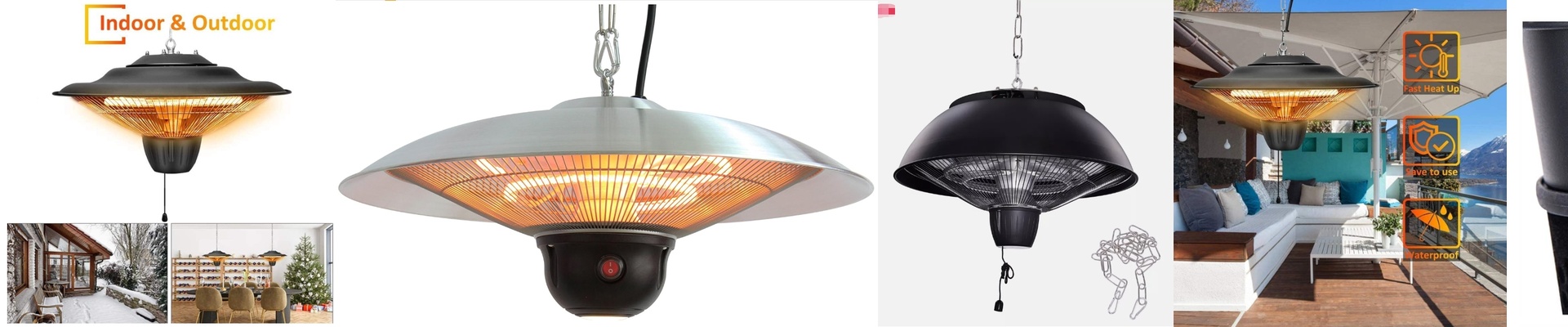
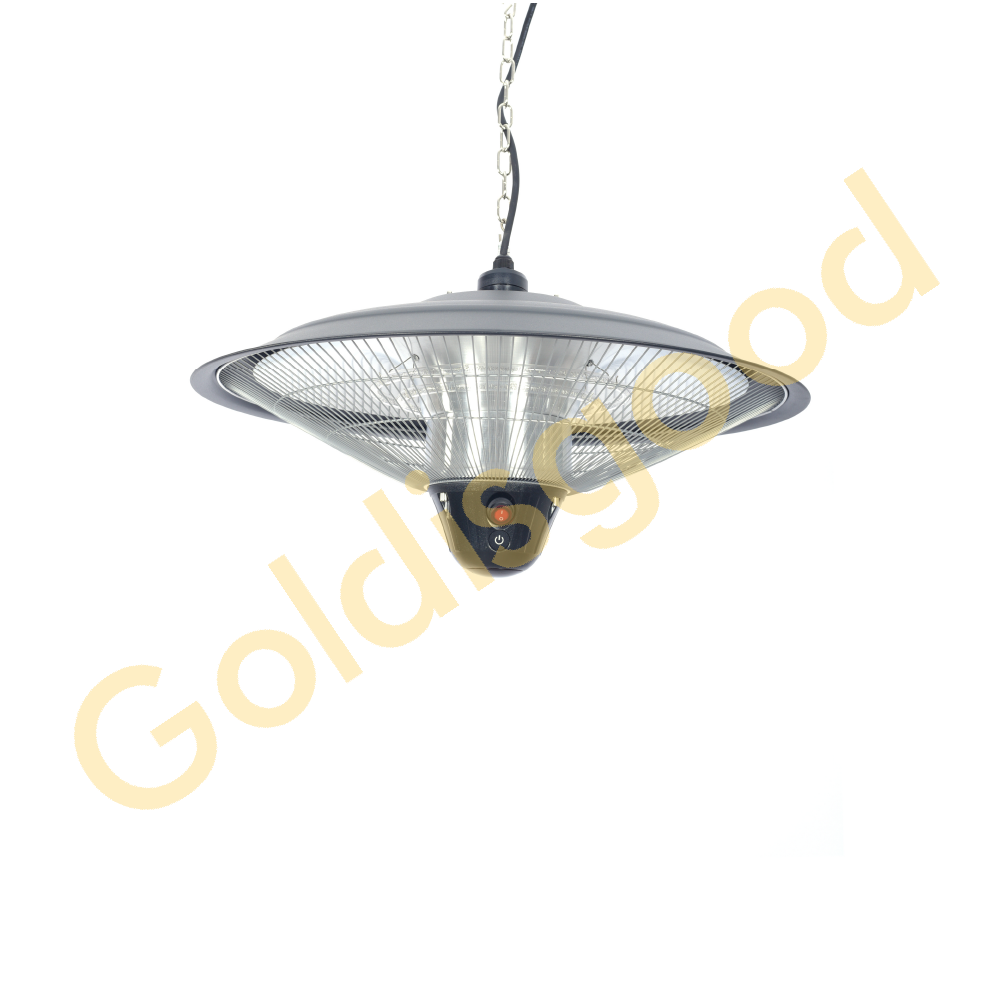
Chicken coops are brutal on gear. Between the thick dust, the constant moisture, and that sharp smell of ammonia, most electronics just give up. That’s why we build our infrared heaters to be waterproof. They’re tough. But the real magic happens when you make them “smart.” The trick is figuring out how to let a tiny, low-voltage smart controller handle a high-wattage heater without blowing a fuse. How it actually works We use shortwave infrared emitters. Instead of trying to heat up all the air in the room—which is a losing battle in a drafty coop—these lamps beam heat directly onto the birds. It’s like stepping into the sun on a cold day. To keep things from shorting out when the humidity spikes, we wrap the whole thing in waterproof housing. Then, we wire it through a heavy-duty relay or a smart switch. This acts as the bridge, letting your Wi-Fi or Zigbee gateway tell the heater when to wake up. Instant warmth, from anywhere Here is the best part: there’s no waiting around. When you tap “on” in your app, the filament hits temperature in seconds. We just call it instant heat. If you pair the heater with a temperature sensor (like a DHT22) tucked down where the chicks are actually huddling, you can automate the whole thing. You just tell the system: “If it drops below 15°C, kick the heat on.” You don’t even have to leave your couch. The “Gotchas” (Because nothing is perfect) Now, look. Adding smart tech adds another way for things to break. If your Wi-Fi cuts out or your gateway freezes, your birds are suddenly in the cold. That’s a nightmare. Because of that, we always put in a physical override switch and a hardware-based thermal cutout. It’s your safety net. If the smart sensor glitiches and forgets to turn the heat off, the cutout kicks in so you don’t end up with a fire or a burnt-out lamp. One last thing: watch your wiring. A single 250W lamp isn’t a big deal. But if you’re running ten of them on one smart circuit? You’re going to trip your breaker. Spread the load across a few different phases and you’ll be golden.