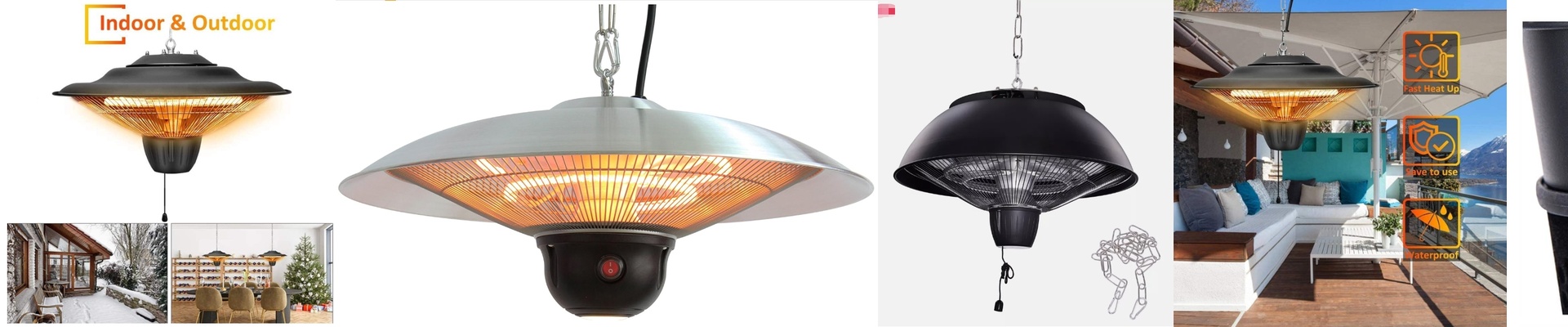
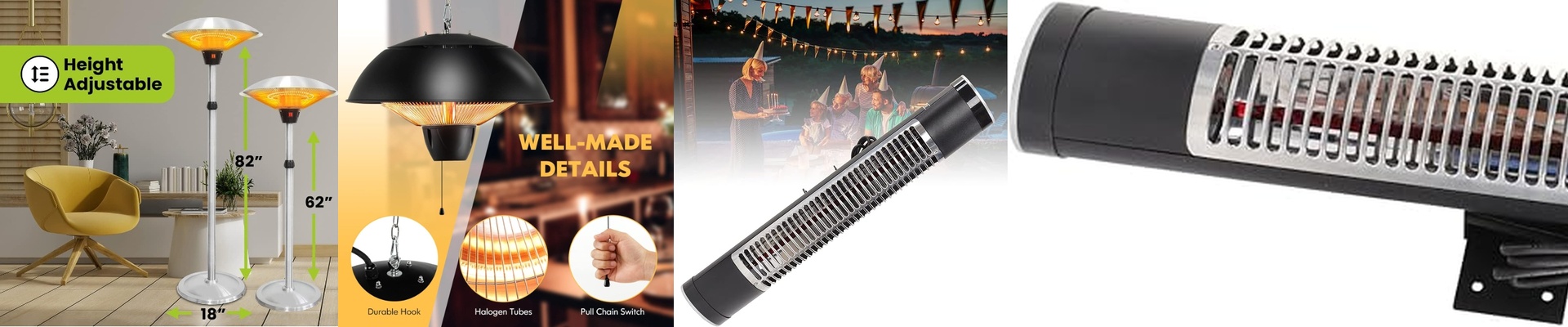
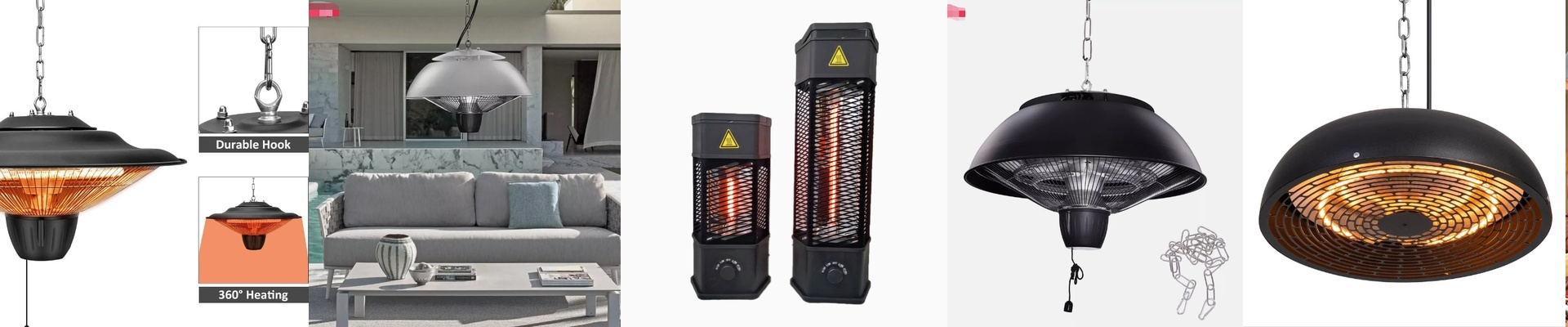
Making Bathroom Heat Lamps Actually Safe (and Not Blinding)
When we set out to build infrared lamps for bathrooms, the goal isn’t just to make the room warm. That’s the easy part. The real headache is the light. Most of those short-wave lamps you see are blinding. They’ve got this harsh, aggressive glare that hurts your eyes. And if you’ve got a baby in the house? That’s a huge problem. Their eyes are way more sensitive than ours.
Fixing the Glow
We had to figure out a way to keep the heat but lose the glare. Instead of just letting raw radiation fly, we use special quartz envelopes and internal coatings. Think of it like a filter. It blocks out the UV and the high-frequency light—the stuff that makes you squint—and focuses on the mid-to-long wave range. The heat goes straight into your skin and the surfaces around you, instead of hitting your retina. You end up with a soft, dimmed glow. It feels cozy, not like you’re standing under a stadium floodlight.
Dealing with Steam and Hot Spots
Bathrooms are pretty brutal environments. You’ve got constant humidity and splashes. If a single drop of water hits a red-hot filament, the whole tube can crack in a heartbeat. To stop that, we seal the quartz tubes tight. Then there’s the “hot spot” problem. A narrow beam of heat is basically a burn risk. To fix this, we use parabolic reflectors with a matte finish. It spreads the warmth out. Instead of a laser beam of heat, you get a wide, gentle footprint that feels even across your skin.
The Trade-off
Here’s the honest truth: filtering the light means you lose a bit of raw power. A filtered lamp won’t heat up a room quite as instantly as those industrial halogen tubes you’d find in a warehouse. It takes a few extra seconds to get going. But in a bathroom? That’s a trade we’re happy to make. It’s the only way to make sure the lamp is safe for kids. Just a heads-up: if you’re installing these, make sure your housing is rated for the wattage. You don’t want the plastic casing warping because it can’t handle the heat load.