
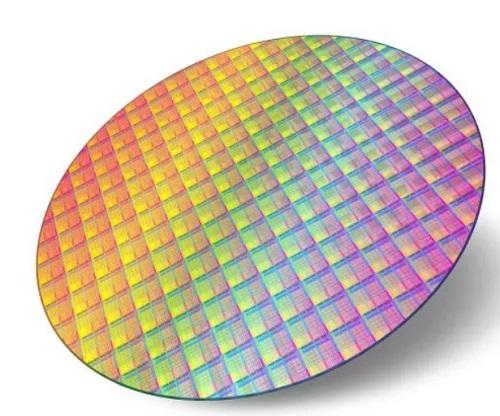
Stop Waiting on Your Oven: Why IR Curing Actually Works
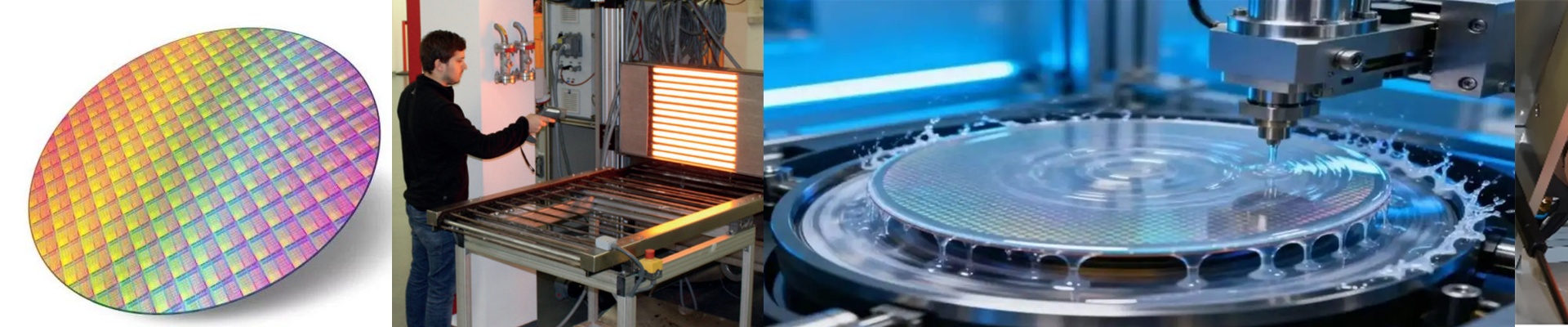
If you’re still relying on hot air circulation, you’re basically playing a waiting game. You heat the air, and then you wait for that air to heat the wafer. It’s slow. In a semiconductor fab, that lag is a killer. We switched to certified infrared (IR) curing lamps to get rid of that middleman. Instead of convection, we use radiation.
Getting the heat where it belongs
Here is the thing: IR lamps send out electromagnetic waves that hit the substrate directly. You aren’t standing around waiting for a whole chamber to hit a certain temperature. The energy just sinks in instantly. It turns ramp-up times that used to take minutes into a matter of seconds. When you move to an IR system, you’re basically killing off that sluggish “thermal inertia” you get with those old forced-air ovens.
More wafers, less clutter
Hot air systems are bulky. You need massive footprints just to fit the blowers and heat exchangers. IR lamps? They’re tiny. You can tuck them right into the tool line. Plus, you only heat the part you actually care about, not the entire room. It’s a simple bit of math: faster curing cycles mean more wafers moving through the door every hour. Shorter dwell times, lower cost per unit. It just makes sense.
The catch (because there’s always one)
Now, IR isn’t a magic wand. Because the heat hits so fast, it’s easy to overshoot your target temperature if your PID controllers aren’t dialed in perfectly. And you’ve got to be careful with the heat bleed. If your housing isn’t vented right, you’ll end up baking your own electronics. You need cooling fans that can actually keep up, or you’re just looking at premature lamp burnout. My advice? Pair it with a fast-response thermocouple and keep the gap between the lamp and the wafer tight. That’s how you really squeeze the most out of the radiation curve.