


Keeping Your Semiconductor Heating Clean
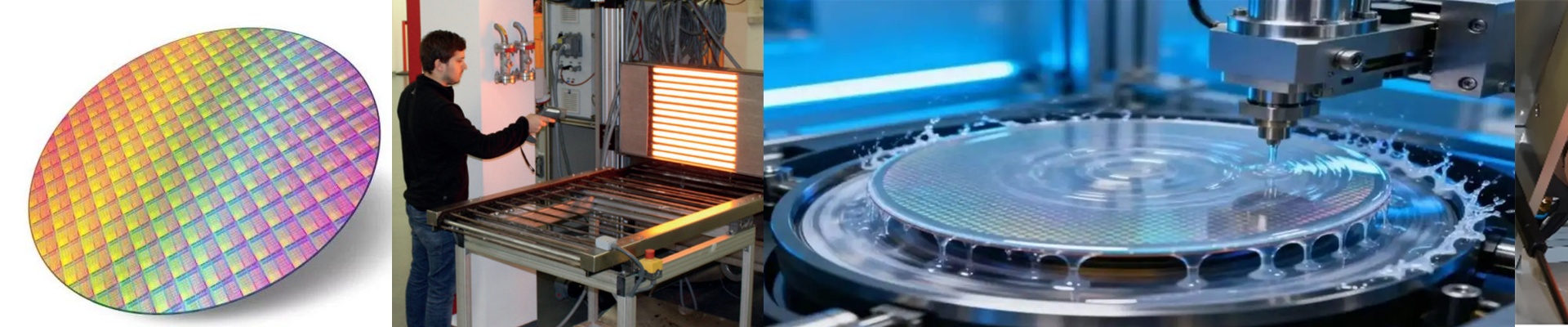
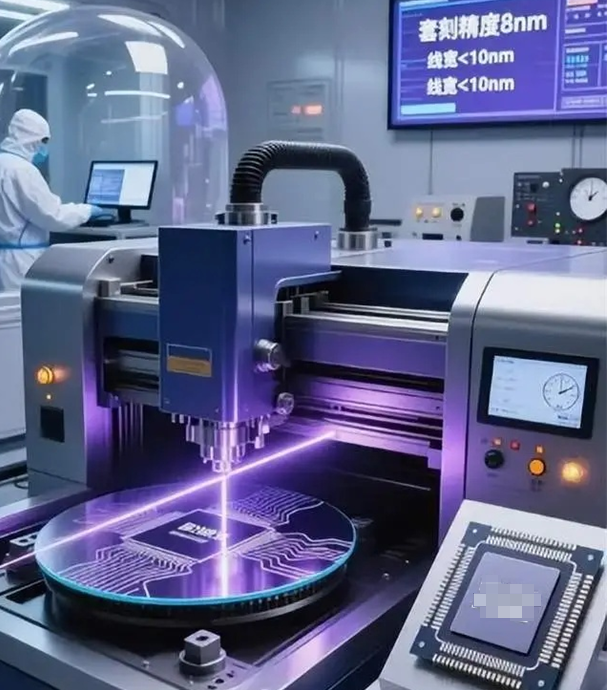
If you’re running a Class 100 cleanroom, you already know that air filters are only half the battle. The real headache? The stuff you can’t see. Most infrared lamps are a liability. Their coatings flake off or the quartz just gives up under the heat, raining tiny particles right onto your silicon wafers. It’s a nightmare. Why we use gold We went with a high-purity gold coating on the quartz envelope to stop that from happening. Gold is great because it doesn’t oxidize. Unlike those cheaper reflectors that break down, gold stays steady even when things get scorching. It pushes the infrared radiation exactly where it needs to go—toward the target—without wasting energy on the lamp housing. The nitty-gritty on materials The core is high-purity synthetic quartz. We use this so nothing leaches out during the heating cycle. No “ghosting,” no weird chemical streaks on your wafer. Just clean heat. We apply the gold using vacuum deposition. It creates a bond that actually holds. It won’t peel or flake, even when you’re cycling the temperature rapidly. When you’re working with 300mm wafers and tight tolerances, those few microns of gold are what keep your chips out of the scrap pile. A few things to watch out for Now, gold-coated lamps are the cleanest option, but they’re a bit temperamental. For one,**do not touch the coated surface with your bare hands.**Just a bit of skin oil can etch the gold during the first heat-up, which creates “hot spots.” It’s an easy mistake to make, but it’s a costly one. Also, because the gold changes how the heat is emitted, you’ll probably need to tweak your PID controllers. If you don’t, you might overshoot your target temperature. One last tip: stick with a dedicated power supply. It keeps the voltage steady and stops your filament from burning out prematurely.