
Stop Heating the Air: A Smarter Way to Handle Semiconductor Heat
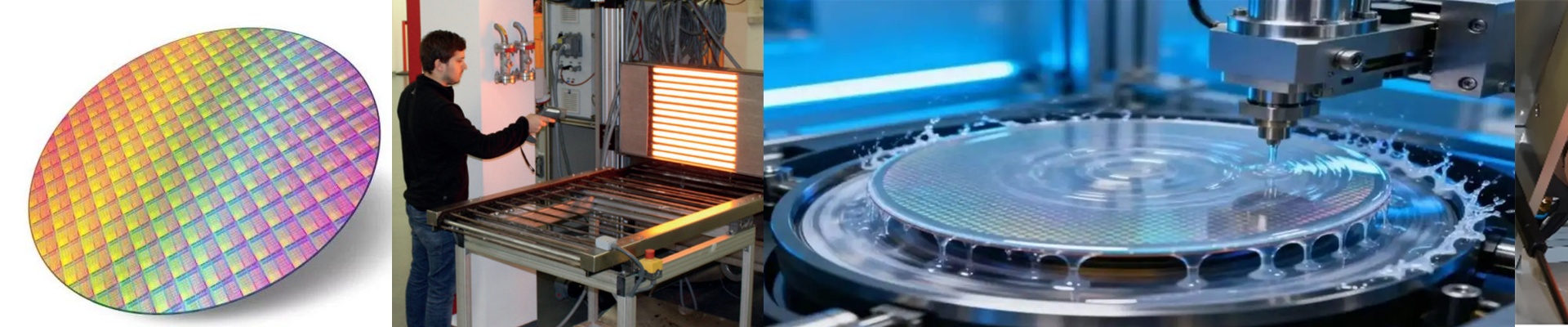
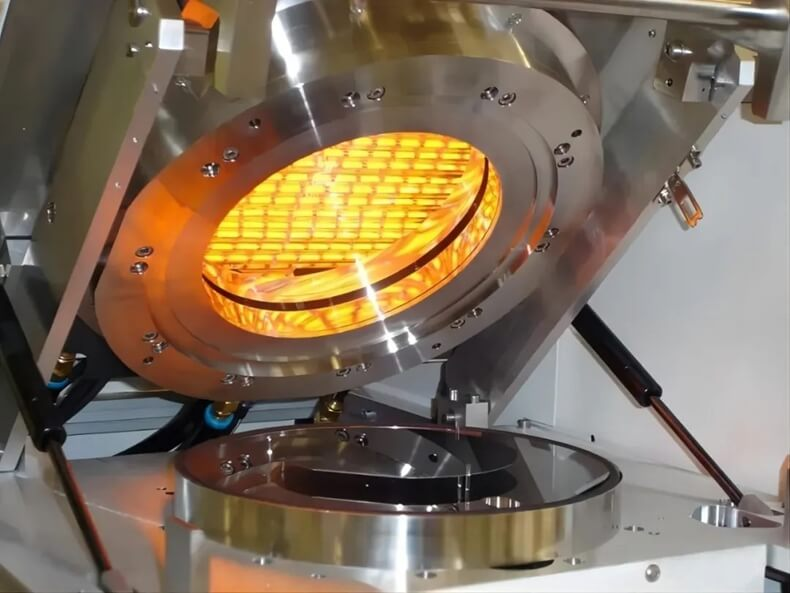
Let’s be honest about traditional convection ovens. They’re basically giant boxes that heat up every single molecule of air inside just to get a tiny wafer to the right temperature. It’s a massive waste of power. We’ve found a better way. Instead of heating the whole room, we use shortwave infrared (SWIR) lamps to hit the wafer surface directly. It’s a bit like switching from a space heater to a heat lamp—you stop paying to warm up the walls of your machine and start putting that energy where it actually belongs. The magic of radiant heat Here’s the thing: shortwave IR works at a higher frequency. This means the energy doesn’t just sit on the surface; it actually penetrates the substrate. You hit your target temperatures way faster. When you’re running a “Green Factory,” every kilowatt-hour counts. By using high-power density lamps, you shrink your heating footprint. It’s fast. Really fast. And that changes the whole math of your energy bill. What’s actually inside the lamp? We don’t cut corners on the build. We use high-purity quartz envelopes and halogen cycles to keep the filaments from giving up. The halogen gas is the secret sauce here—it stops the tungsten from evaporating too quickly. Without it, the tubes would darken and lose their punch over time. Plus, we use specific coatings to tune the wavelength. We want the silicon or photoresist to soak up the heat, not bounce it back into the equipment. The “gotchas” of integration Now, you can’t just swap a bulb and call it a day. You have to look at your power grid. These high-wattage arrays pull a lot of current the second they kick on. If you don’t spec your power supplies and PID controllers to handle those spikes, you’re going to be tripping breakers all morning. And keep an eye on your cooling. SWIR puts out an intense amount of heat. If your cooling manifolds aren’t sized right, the ends of the lamps will burn out, or worse, the quartz tube will just crack under the stress. But once it’s dialed in? Your cycle times drop. Shorter heat-up phases mean less carbon pumping into the air for every single unit you ship. It’s just a cleaner way to work.