

Why We Use Waterproof IR Lamps in Semi Fab Lines
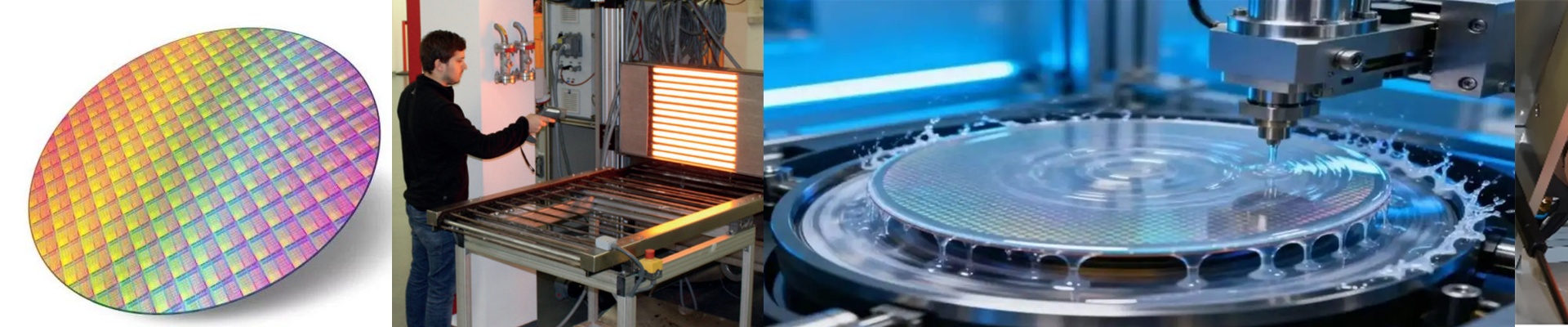
Let’s talk about the rinse-and-dry cycle in semiconductor fabrication. If you’ve worked on a line, you know it’s usually the part that slows everything down. It’s a bottleneck. To fix that, we use waterproof infrared (IR) lamps. They’re the best tool for getting a wafer from “dripping wet” to “bone dry” without messing up the surface or leaving contaminants behind. The problem with old-school ovens Back in the day, people used convection ovens. But think about that for a second: you’re heating up massive amounts of air just to dry a tiny wafer. It’s a waste of power. IR is different. It uses electromagnetic radiation to hit the moisture on the wafer directly. It skips the air entirely. Because it’s so efficient, we don’t need those old, nasty chemical solvents or lead-based additives to get the job done. It’s just clean, direct energy. Dealing with the humidity Here’s the tricky part: these lamps sit right after the rinse station. That means they’re constantly blasted with humidity and chemical vapors. It’s a brutal environment. If a regular quartz tube gets hit with water while it’s screaming hot, it’ll crack instantly. To stop that, we use specialized quartz envelopes and sealed end-caps. It keeps the moisture out of the filament so the lamp doesn’t blow. We also stick with short-wave IR. Why? Because it penetrates deeper and flashes the water off the surface in seconds. It’s fast. Really fast. And that means your equipment takes up way less space on the floor. The catch: Managing the heat Now, there is a trade-off. High-intensity IR puts out a ton of heat. You can’t just plug these in and walk away. If you don’t have a solid heat sink or some forced-air cooling, your chassis will start to warp. Even worse, the lamps will burn out early because of “heat soak.” You have to get the cooling right, or you’re just wasting money on replacement parts. We design these as drop-in replacements. By tuning the wavelength to match exactly how water absorbs heat, we can dry the wafer perfectly without overheating the actual substrate. It just works.